PODCAST: State of the Arts, No Evictions and M-M-M-My Corona

This week we explore the State of the Arts — namely audiences, artists and the pandemic between them — a new series by arts editor Charlie Swanson about how COVID-19 and the coronavirus that causes are affecting the art scene. Meanwhile, reporter Will Carruthers updates us on the new anti-eviction measures afoot and we sample M-M-M-My Corona, which was inevitable. Takeshi Lewis produces, Daedalus Howell hosts.

Subscribe on Apple PodcastsSpotifyStitcher and Google Podcasts.

Evictions Delayed

0

On Tuesday, March 24, two North Bay counties approved temporary moratoriums on evictions due to lost wages and medical costs during the COVID-19 pandemic.

With the passage of the new laws, Sonoma and Marin counties have joined a growing number of local governments around the world temporarily delaying some evictions as the effects of the coronavirus ripple through the economy.

The counties’ new temporary bans come after Gov. Gavin Newsom signed an Executive Order that allows local governments to pass eviction bans and “requests” that banks stop foreclosure and resulting evictions tied to the COVID-19 crisis. Because Newsom’s order does not directly provide any additional tenant protections, local governments began scrambling to do so.

Some cities, including San Francisco, Sacramento, and San Diego, have already passed eviction moratoriums all with slightly different protections.

Both Counties

Neither moratorium relieves tenants of their duty to pay rent. Instead, rent payments are essentially delayed until the crisis is over for those who cannot pay during the COVID-19 crisis.

Both laws cover renters in the unincorporated counties and in cities.

Renters can still be evicted for some reasons not laid out in the new laws. For instance, if a renter stopped paying rent for a reason unrelated to the coronavirus or violated their lease in some other way, a landlord could still evict them. 

Despite their overall similarities, the ordinances do differ in a few ways.

Residential and Commercial

Marin County’s ban covers both residential and commercial renters throughout the county. Sonoma County’s ordinance only covers residential renters.

Expiration Date

Marin County’s ban expires on May 31 and landlords will be allowed to seek unpaid rent immediately after the local declaration of emergency ends. The county has said they hope landlords and tenants will be able to agree on a payment plan for missed rent once the crisis is over.

As currently written, Sonoma County’s ordinance is in effect until two declarations of emergencies are lifted. After that, tenants will have 60 days to catch up on missed rental payments.

The Sonoma County supervisors will revisit the ordinance on June 2. At that point, they may amend the ordinance.

What’s Missing?

One of the mysteries of the current wave of eviction moratoriums is how tenants will be able to pay their rent once they return to work after the public health crisis has ended.

But, with federal and state lawmakers still discussing relief packages intended to grapple with the coronavirus, how much financial relief tenants, homeowners, and landlords will ultimately receive is unclear.

Renters, mortgage holders, and landlords will inevitably all take a hit for the time being, but tenants advocates argue that renters tend to be poorer and more vulnerable.

Throughout the state, many tenants are already rent-burdened, meaning they pay more than 30 percent of their income in rent. As a result, it is difficult to imagine how tenants will be able to catch up on missed payments within 60 days of the crisis, even if they return to work immediately after the county’s shelter-in-place order is lifted.

Workers who are not eligible to receive state or federal unemployment benefits during the crisis will find themselves in an even more difficult predicament.

Because of this, tenant advocacy groups at the local, state and federal levels are asking for rent and mortgage payments during the crisis to be forgiven or covered in economic-relief packages.


State Support Deployed to Assist Homeless Residents

Less than a week after Assemblymember Marc Levine (D- Marin County) joined a bipartisan coalition making emergency funding available to address the COVID-19 pandemic in California, the first grants to local governments have been made to assist people experiencing homelessness. 

The North Bay’s Sonoma County will receive over $1.1 million and the County of Marin will receive over $386,000 to address the immediate needs of homeless individuals at risk of COVID-19 and prevent the spread of the virus in this highly vulnerable community.

Funding levels were based on homeless population data from the 2019 Point in Time counts of homeless individuals in counties across the state. Funds can be used to provide immediate shelter for individuals, increase sanitation or provide other relevant support services during this emergency. 

In total, Governor Gavin Newsom has been authorized to spend over a billion dollars statewide to lead state efforts to prevent the spread and treat those determined to be COVID positive. Specifically, the Legislature last week appropriated up to one billion dollars to support Governor Gavin Newsom’s emergency declaration to address the COVID-19 pandemic and gave the Governor significant resources to both increases the capacity of our healthcare system while supporting preventative efforts to reduce transmission of the coronavirus across the state. 

These funds will also be used to begin a conversation about the long recovery period the state will likely experience after this crisis has abated – particularly ways to support small businesses, non-profits and other individuals that experience economic hardship as a result of the COVID-19 pandemic. 

Additionally, Levine supported legislation to waive the current Average Daily Attendance requirement in K-12 public schools for the remainder of this academic school year.

With the governor’s Stay at Home declaration impacting over 6 million students in California’s K-12 public schools, this legislation will ensure that all school districts receive their full enrollment funding for the year and makes an additional $100 million available to school districts to purchase personal protective equipment or for supplies and labor costs necessary to conduct additional deep cleaning of school sites. 

Earlier this year, Levine introduced AB 2646 to permanently eliminate ADA and fund K-12 public education based upon enrollment, not attendance. That legislation will be considered later this year. 

“California is taking bold action to address and prevent the spread of COVID-19,” said Assemblymember Levine. “Governor Newsom’s leadership is helping the state work around the clock to address immediate and long term needs arising from this pandemic. We will make every resource of the State of California available to curb the COVID-19 pandemic and its impact on our society and economy. When we protect the homeless, we protect everyone – including ourselves.” 

“As a father, I know what a stressful time this is for families in the North Bay and across California,” continued Levine. “This is a public health crisis that impacts us all and I am here to support you and your family during this difficult time. There will be a number of difficult days in the weeks ahead, but we must shelter in place in order to save lives. By listening to public health officials and by banding together, we will get through this.”

Marin Health Officer Diagnosed With COVID-19

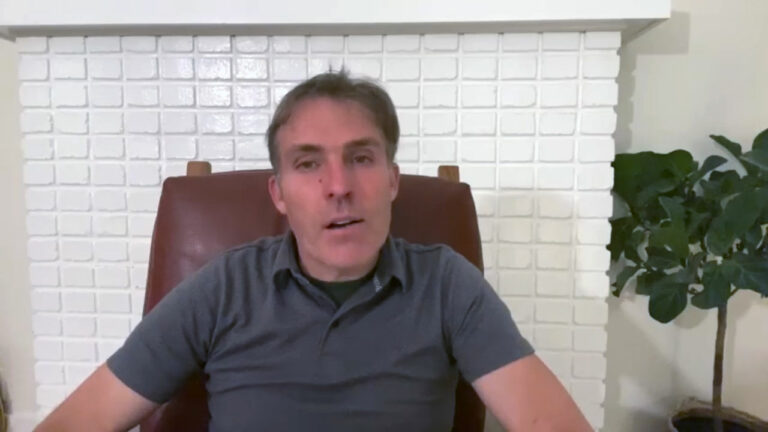
Dr. Matt Willis, Marin County’s Public Health Officer, announced in a video published Monday that he had been diagnosed with COVID-19.

Dr. Willis is the county’s 39th diagnosed COVID-19 case.

“I did not necessarily think that I would be such an early example of the fact that this is in our community,” Dr. Willis says during the video, before urging county residents to obey the county’s shelter-in-place order in hopes of reducing the spread of the virus.

“Stay in place, shelter at home, and limit anything outside the home to only essential trips,” Dr. Willis says. “Because we’re seeing signs of our responders being exposed and pulled away from duty, we need to double down on our efforts to limit countywide exposures. You can help us lessen the burden on our healthcare system by simply slowing the rate of spread.  That we do have some control over.”

Dr. Willis’ source of exposure is unknown. He has been actively meeting with health care workers around the Bay Area as part of his work to coordinate Marin County’s response to COVID-19.

Deputy Public Health Officer Dr. Lisa Santora will lead Marin County’s response to COVID-19 while Willis is recovering from the virus.

Willis’s full video address is available below.

ABC’s COVID-19 Response: Cocktails To Go!

Thanks to a recent relaxation of California alcohol laws, Margaritaville is closer than ever. 

Cocktails can now be ordered to-go and delivered curbside to customers courtesy of the Department of Alcoholic Beverage Control (ABC) and its response to COVID-19

The department enacted the regulatory relief to “support the alcoholic beverage industry in its efforts to assist California in slowing the spread of the virus while assisting the industry in dealing with the economic challenges it is facing as a result,” it said in a statement.

The ABC arrived at this decision after careful consideration of the public’s health safety or welfare and whether it be negatively affected. “Exercised on a temporary basis,” the ABC thinks not. There are rules, however—to-go cocktails can only be purchased with a matching meal, whether that be through a drive-thru, pick up or delivery. Other adult beverages available in this manner include wine and beer.

“Any such alcoholic beverages must be packaged in a container with a secure lid or cap and in a manner designed to prevent consumption without removal of the lid or cap (e.g., no lids with sipping holes or openings for straws),” reads the ABC’s  “notice of regulatory relief.”

Naturally, consumers acquiring cocktails and other alcoholic beverages are discouraged from drinking them while driving or break open container laws by allowing non-drivers to do so.

Marin Supervisors to Consider Eviction Moratorium

At a meeting on Tuesday, March 24, the Marin County Board of Supervisors will vote on two measures aimed at easing the economic impacts of the coronavirus on county residents. The board’s agenda for the Tuesday meeting includes a temporary ban on evictions due to lost wages during the coronavirus pandemic and a potential $1 million economic relief package.

Eviction Moratorium

As the effects of the coronvirus pandemic ripple through the world’s economy, the task of passing additional renter protections in California has been largely left to local governments.

On Monday, Gov. Gavin Newsom signed an executive order allowing, but not requiring, local governments to pass temporary bans on evictions.

A few cities, including San Francisco, Sacramento and San Diego, have already passed temporary eviction bans.

Marin County is now considering taking the same step. If passed on Tuesday, Marin County’s proposed ban would cover residential and commercial renters living in all parts of the county—whether in unincorporated areas or within a city.

Under the ordinance, a renter would be spared from eviction during the crisis if they provide their landlord with written proof that they have faced “financial impacts related to COVID-19”—or the county’s resulting shelter-in-place order—which prevented them from paying rent.

As written, the county’s ban expires on May 31 and landlords will be allowed to “seek” unpaid rent after the local declaration of emergency ends. Because of that, impacted tenants could be left with a large bill once the crisis is over.

In an interview Friday, Leelee Thomas, a planning manager with the Marin County Community Development Agency, says that the county is hoping landlords and tenants will be able to agree on payment plans for missed rent payments once the ban expires.

That uncertainty in the proposed ban may be characteristic of legislation written in the coming weeks, as cities and counties around the state try to grapple with what Thomas calls “a whole new world.”

The fact that the proposed ban covers rental properties in cities and the unincorporated county is “unprecedented,” Thomas adds.

In normal times, the county only has jurisdiction over land use decisions in the unincorporated county.

In this case, the county has been able to cover city and county lands by citing the county Health Officer’s recent Shelter Order and concerns that evictions during the crisis could have public health impacts.

Economic Relief Package

The supervisors will also consider matching a $500,000 grant from the Marin Community Foundation to fund a variety of economic relief projects. If the supervisors approve the agenda item, the relief package would total $1 million.

Projects funded by the money would include:

  • Emergency rental assistance for low-income residents
  • Expanded food for economically disadvantaged families
  • Expanded meals for seniors
  • Wi-Fi mobile access for economically disadvantaged students
  • Emergency childcare for healthcare workers and emergency responders

The full meeting agenda is available here. Although the supervisors currently plan to meet in person, they will likely recommend that residents watch the meeting from home.

Marin Grocery Stores Offer Senior-Only Hours

Many Marin grocery stores are offering senior-only shopping hours in light of COVID-19, which poses a particular risk to seniors and the medically vulnerable. Among them in Marin County are Nugget Markets, which have designated temporary shopping hours specifically for guests ages 65 and over and those who are at-risk due to health conditions.

“Looking to our local and federal health experts and industry leaders for guidance, we determined we would be able to successfully meet the needs of our guests ages 65-plus and those in compromised health,” says Mary Muller, director of human resources at Nugget Markets. “There was a clear request from the community to help serve those most vulnerable, and it’s always a top priority for us to deliver excellent service in the safest way possible. We wanted to be there for our community and to do so safely, so once health and safety experts determined it was beneficial, we implemented our Dedicated Senior Shopping Hours.”

The Marin grocery stores currently offering senior hours are:

Nugget Markets: To accommodate seniors and Nugget Markets in Novato, Corte Madera, and Tiburon will open at 7 a.m.

Safeway:  From 7 a.m. to 9 .m., Tuesday and Thursday, elderly and at-risk shoppers are invited to shop safely.

Target:  8 a.m. on Wednesdays is reserved for their elderly and at-risk customers.

Whole Foods: Likewise, Whole Foods is reserving an hour prior to its usual opening time of 9 a.m. daily for its elderly and at-risk shoppers.

Marin grocery stores that offer senior hours that aren’t listed here can email ed****@********un.com to be included.

Don’t Panic

0

I’m a pretty shabby audio processor (just ask anyone who’s ever conversed with me), so whenever I hear the command “shelter in place” I associate it with the French culinary phrase mise en place which means essentially “everything in its place”—often in an assortment of small bowls optimally arranged for Instagram. How does this tic affect me? The view from my mind’s eye looks like a Bon Appetit photo shoot. 

I’ve come to appreciate that this bizarro form of synesthesia has crowded out more anxious imagery from my mind. Despite the pandemic, or perhaps because of it, I’m relatively immune to both panic and conspiracy theories. Sure, COVID-19 is precisely what we might expect from a James Bond villain but I’m too blissed out with the Marie Kondo kitchen in my mind to fret. 

Is the coronavirus the karmic revenge of an apparently delicious pangolin (thanks NY Times)? Did the Pope spread COVID-19 to Italy? Not my problem—I’m too busy relearning the mysterious ways of the can opener.

Perhaps my immunity to outright panic is a defense mechanism conditioned by the fact that we’ve been pre-figuring the End Times since the beginning of time. I’ll forgo making a list of dystopian and apocalyptic fiction and films for fear of crowding out more salient information on the Internet like memes about “The Panic” at Costco.  

Among the greatest hits of End Times writing is William Butler’s poem “The Second Coming” with its imminently quotable closing lines:

“And what rough beast, its hour come round at last,   

Slouches towards Bethlehem to be born?”

Joan Didion, of course, poached from these lines for her essays collected under the title Slouching Towards Bethlehem. So, while we’re picking at Yeats’ bones, I’ll take “rough beast,” which is what I look like since self-isolating earlier this week and forgetting to stockpile razors. And whilst I’ve been regressing to a Neanderthal state, some Millennials have reportedly been cavorting in cafes (which I’m now calling “coughy bars”) with little heed paid to the admonition by National Institutes of Health’s Dr. Fauci that doing so is tantamount to being Boomer-Killers. That’s some lowdown, passive-aggressive shit, kids—go home and play your board games and TikTok (whatever that is). 

Meanwhile, I’ve combined my social media and social distancing into “media distancing” whereupon I write my columns from a bunker and watch Netflix from six feet away. You can join me, but online only, of course—because I’m under strict orders to remain mise en place at the moment. 

Stream Daedalus Howell’s feature film ‘Pill Head’ on Amazon.

Drain the Pain

Bear with me, Dear Reader, while I tell my CBD story. I was in pain and found it uncomfortable to sit, stand or just move. Usually, when severe pain strikes, I pop pills and apply ice and heat. But a package from Jessica Bernardo at Canna Bath Co. (cannabathco.com) arrived in the mail. I knew it contained the CBD patches for pain that I’ve come to think of as cannabis Band-Aids. I opened the package, removed the backing on a patch and applied the sticky side down on ground zero of my pain. Slowly, I felt the CBD working, along with the Lidocaine and the menthol that the patches contain. For extra relief, I ate a 10-milligram THC gummy and felt my stress drop, but then—before I should have—I went back to my computer.

The pain came back, though not as badly as before. I went for a walk, took a hot bath, massaged my back as best I could and applied another CBD patch. The second time it kicked in faster than the first time. Then I called Bernardo in Oakland and told her that her product was working for me, which made both of us happy.

“If you want to know about me,” Bernardo said, “I’m 34 and have therapy in my blood. I have grown marijuana, been in the THC market but switched to CBD because it’s bigger and less hassle. CBD has helped greatly with my menstrual pain. My topicals are available in small retail shops around the country. Before long, I hope to be in Target and Whole Foods.

“I also manufacture oils, lotions and creams. I want people to be out of pain without using harmful pharmaceuticals and opioids.”

I’ve been writing about cannabis for the Bohemian for so long I can’t remember when I started, though I do know I’ve never actually recommended a single marijuana product. But as a savvy patient who doctors himself as much as possible, I’m confident recommending Canna Bath’s pain patches. The patient absorbs the CBD through the skin, not the digestive or the pulmonary system. The bottom line is: don’t tolerate pain unless you’re a masochist and want it. “No pain, no gain” is bull.

Jonah Raskin is the author of “Dark Day, Dark Night: A Marijuana Murder Mystery.”

Going Dark

0

Running a theater company anywhere is never easy—but running one in the North Bay has been more challenging than usual for the past few years. Many companies rely on the ticket sales from one show to finance the next one, so the loss of even a single performance can have significant consequences on a company’s continued survival.

In 2017, the Nuns, Tubbs and Pocket fires led to the early closure or cancellation of most local theatrical productions. Some shows opened and closed the same weekend. One lingering impact of those events has been a reduction in season subscription sales and renewals.

In 2019, the Kincade fire and PG&E Public Safety Power Shutoffs brought the lights down again on almost every North Bay show running at the time. Two shows did not reopen.

This year local companies have struggled with the effect of California Assembly Bill 5 (AB-5) on their organizations. Confusion and concern over the “Gig-Economy Bill,” whose original targets were entities like Uber and Lyft, has already resulted in several Bay Area theater companies cancelling shows or shutting down completely.

And now, as we enter into the uncharted territory that is COVID-19, the curtain has fallen one more time on local live theater, albeit for completely understandable reasons. You’ll forgive the theater community for feeling a bit Book of Job-ish.

Once again companies have shortened runs, postponed openings and outright canceled a few productions. Theater artists, who live for the audience, are struggling to come to grips with the reality that the state is prohibiting or discouraging the very nature of the experience they offer—the gathering of community and the sharing of art—as it could be detrimental to the well-being of their community.

The arts are a vital part of this community and your North Bay friends and neighbors in the arts could really use your support right now. If you have a ticket to a show that’s been canceled, consider not asking for a refund and just donate the cost of the ticket back to the theater. If, after they’ve lifted restrictions on public gatherings, you have a ticket to a show that reopens, please attend.   

While it’s understandable that under the current circumstances attending theater may be the furthest thing from your mind, once things return to some semblance of normalcy it would be great if you grabbed someone and said, “Hey, let’s go see a show.” There are hundreds of people who will thank you.

PODCAST: State of the Arts, No Evictions and M-M-M-My Corona

This week we explore the State of the Arts — namely audiences, artists and the pandemic between them — a new series by arts editor Charlie Swanson about how COVID-19 and the coronavirus that causes are affecting the art scene. Meanwhile, reporter Will Carruthers updates us on the new anti-eviction measures afoot and we sample M-M-M-My Corona, which was...

Evictions Delayed

On Tuesday, March 24, two North Bay counties approved temporary moratoriums on evictions due to lost wages and medical costs during the COVID-19 pandemic. With the passage of the new laws, Sonoma and Marin counties have joined a growing number of local governments around the world temporarily delaying some evictions as the effects of the coronavirus ripple through the economy. The...

State Support Deployed to Assist Homeless Residents

Less than a week after Assemblymember Marc Levine (D- Marin County) joined a bipartisan coalition making emergency funding available to address the COVID-19 pandemic in California, the first grants to local governments have been made to assist people experiencing homelessness.  The North Bay’s Sonoma County will receive over $1.1 million and the County of Marin will receive over $386,000 to...

Marin Health Officer Diagnosed With COVID-19

"Stay in place, shelter at home, and limit anything outside the home to only essential trips," Dr. Matt Willis says in a video published Monday.

ABC’s COVID-19 Response: Cocktails To Go!

Thanks to a recent relaxation of California alcohol laws, Margaritaville is closer than ever.  Cocktails can now be ordered to-go and delivered curbside to customers courtesy of the Department of Alcoholic Beverage Control (ABC) and its response to COVID-19 The department enacted the regulatory relief to "support the alcoholic beverage industry in its efforts to assist California in slowing the spread...

Marin Supervisors to Consider Eviction Moratorium

At a meeting on Tuesday, the Marin County Board of Supervisors will consider proposals meant to ease the economic impacts of the coronavirus on county residents.

Marin Grocery Stores Offer Senior-Only Hours

Marin Grocery Stores
Many Marin grocery stores are offering senior-only shopping hours in light of COVID-19, which poses a particular risk to seniors and the medically vulnerable. Among them in Marin County are Nugget Markets, which have designated temporary shopping hours specifically for guests ages 65 and over and those who are at-risk due to health conditions. “Looking to our local and federal...

Don’t Panic

I’m a pretty shabby audio processor (just ask anyone who’s ever conversed with me), so whenever I hear the command “shelter in place” I associate it with the French culinary phrase mise en place which means essentially “everything in its place”—often in an assortment of small bowls optimally arranged for Instagram. How does this tic affect me? The view...

Drain the Pain

Bear with me, Dear Reader, while I tell my CBD story. I was in pain and found it uncomfortable to sit, stand or just move. Usually, when severe pain strikes, I pop pills and apply ice and heat. But a package from Jessica Bernardo at Canna Bath Co. (cannabathco.com) arrived in the mail. I knew it contained the CBD...

Going Dark

Running a theater company anywhere is never easy—but running one in the North Bay has been more challenging than usual for the past few years. Many companies rely on the ticket sales from one show to finance the next one, so the loss of even a single performance can have significant consequences on a company’s continued survival. In 2017, the...
3,002FansLike
3,850FollowersFollow