Kaiser Permanente study shows Marin is not alone in underimmunization rates

1

by Molly Oleson

Parents in Marin choosing not to vaccinate their children are not alone. A new Kaiser Permanente study, published recently in the journal Pediatrics, finds that there are several clusters of underimmunization and vaccine refusal among Kaiser Permanente members in Northern California.

“Such clusters,” the study reads, “could pose public health risks and barriers to achieving immunization quality benchmarks.”

Parents can opt out–by exercising a “personal belief exemption”–of the state law that requires that children entering school for the first time be vaccinated for chicken pox, measles, polio, whooping cough, tetanus, mumps, German measles, hepatitis B and haemophilus influenza type B. Statewide, the percentage of kindergarteners claiming personal belief exemption grew from 1.56 percent in 2007-08 to 3.15 percent in 2013-14. And in Marin, although the number jumped back down to 6.45 percent in 2014-15, it nearly doubled from 4.2 percent in 2005 to 7.83 percent in 2012-13.

The study includes analytics of electronic health records among children born between 2000 and 2011 with membership in Kaiser Permanente in Northern California, drawing from a population of more than 154,000 children across 13 counties with continuous membership from birth to 36 months of age.

It identifies five statistically significant clusters of immunization among children who turned 36 months old during 2010-2012. Within clusters, the underimmunization rate ranged from 18 to 23 percent, and the rate outside them was 11 percent. Vaccine refusal also clustered, with rates of 5.5 percent to 13.5 percent within clusters, and 2.6 percent outside of the clusters.

Spacial scan statistics were used to identify these clusters, and the study’s conclusion reads, “Spacial scan statistics may be a useful tool to identify locations with challenges to achieving high immunization rates, which deserve focused intervention.”

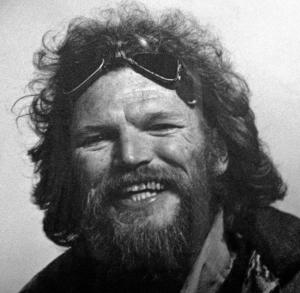
Tyson Underwood, 78, founder of the Marin Art Festival dies

by Molly Oleson

Tyson Underwood, former director of the Sausalito Art Festival and founder of the Marin Art Festival, died at his home in Mill Valley on Jan. 9.

The artist and promoter of the arts had been suffering from myelodysplastic syndrome—a form of leukemia—for the past year and a half. Passing away just days before his birthday, Underwood was, according to a tribute on the Marin Art Festival website, “surrounded by loved ones who cheered him on.”

Born and raised near Salisbury, North Carolina, the “lifelong Southerner, in spite of my best intentions,” as he referred to himself, landed in Sausalito in 1969, after studying at Duke University. In 1978, when the Sausalito Art Festival was 29 years old, Underwood was appointed as the director by the City Council, and is credited with reviving what had become a struggling annual tradition. Emphasizing local artists and raising the bar on the quality of the art, he turned the event into a popular place for artists and art enthusiasts alike until the end of his tenure in 1984.

Underwood was one of the first artists to have a studio in Sausalito’s Industrial Center Building (ICB), was a founding board member of both the Marin Arts Council and the Headlands Center for the Arts and wrote an art column for many years for the Pacific Sun. But one of his biggest projects was establishing the Marin Art Festival, which he ran for 17 years in Marin Center’s Lagoon Park.

“The Marin Art Festival was Tyson’s amazing gift to artists and the community; a true labor of love,” wrote Kathleen Lipinski on an online memory wall.

“All who knew him got great belly laughs, as there was no way not to,” wrote Leslie Allen, of the ICB studios. “Tyson always found something great and he always found kind words.”

Steve Feldman, who knew Underwood from Duke, shared on the memory wall that he once asked his friend if he believed that there was anything after this life. “I dunno, but I’m kind of looking forward to finding out,” Underwood replied.

Underwood is survived by his son, Tyson N.F. Underwood, daughter Anna Links, stepdaughter Grace Rubenstein, brother Alfred Underwood and former wife, Kathleen Foote.

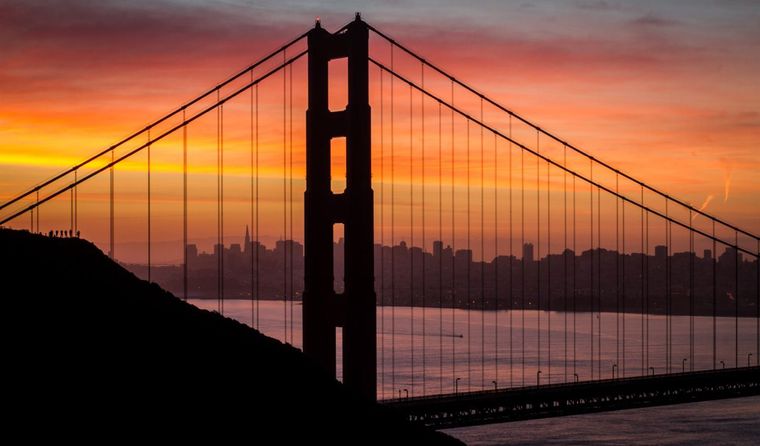
Golden Gate Bridge reopens after median installation

0

by Molly Oleson

Driving from Marin to San Francisco (and vice-versa) over the Golden Gate Bridge got a lot safer over the weekend, when the iconic span was closed to traffic for the installation of a $30.3 million median barrier.

The one-foot-wide and approximately 13,340-foot-long Moveable Median Barrier (MMB) system, which separates opposing directions of traffic, will virtually eliminate the possibility of crossover collisions between the estimated 120,000 vehicles that traverse the bridge daily. The MMB replaces manually distributed 19-inch-tall plastic tubes, spaced at 25-foot intervals and moved throughout the day based on traffic.

In addition to increased safety, the median will allow the Golden Gate Bridge Highway & Transportation District to more efficiently reconfigure lane changes to optimize traffic operations. Enjoy a less worrisome ride on that 1.7-mile scenic stretch.

Trivia: More than 60 streams flow into Lake Tahoe, but only one river flows out. What is it?

Answer: The Truckee River, which flows northeastward towards Reno and into Nevada’s Pyramid Lake

For more trivia questions (and answers!) see Howard Rachelson’s Trivia Café every week in the Pacific Sun.

Upfront: Electric avenue

by Peter Seidman

Bicycles now entering the market can change the way average riders view alternative transportation.

The bikes are arriving at the same time that alternative transportation critics are saying biking is an effete activity unworthy of infrastructure investment.

Electric-assist bicycles, sometimes called “pedelecs,” use an electric motor to give riders an extra oomph down the road. The motors attach to either the front wheel, mid-bike or the rear wheel. While electric bikes, like electric cars, have been around for a long time, it’s only recently that technology has arrived to make them a truly reliable and effective alternative transportation vehicle.

Europe and China already are on the electric-bike highway. They account for the vast number of electric bike sales. But signs are starting to become evident that electric bikes could be on the verge of an important growth spurt in this country. And as the new electric bikes enter the market, they could create the impetus for improvements to bike infrastructure, which would in turn spur increased ridership, which could in turn help reduce reliance on single-passenger auto travel and vehicle congestion on local streets.

It’s the electric-assist nature of the new bikes that holds the promise. No longer are bike riders who want to go to the store, to school or to work faced with a ride that leaves them in a puddle of sweat. Electric-assist can turn a daunting ride into an easy trip, and can make easy work out of riding over hills. The technology turns bike riding into a utilitarian mode of transportation that bridges the gap between auto travel and motor scooters and motorcycles. A big plus for the electric bikes: No license needed in California.

“Starting a few years ago, when Stromer and Specialized came to the market with new technology and really legitimate electric bikes, we jumped in and got behind the movement,” says Ken Martin, co-owner and CEO of Mike’s Bikes. The San Rafael-based company started in Marin and now has outlets from Sacramento to Palo Alto.

“There is absolutely interest in electric bikes in Marin,” Martin says. While Marin is perhaps ahead of most of the country when it comes to accepting electric bikes as a new form of practical transportation, the county is still following in the footsteps of European countries, Martin says. In Europe, “electric bikes are huge,” he says. “In a lot of places there are more electric bikes than there are human-powered bikes.”

The same high rate of acceptance has occurred in China, according to Navigant Research. The consulting company looked at the future of electric bikes through 2023. A recent Navigant study estimates that worldwide sales of electric bikes will increase from 31.7 million annually in 2014 to 40.3 million in 2023. Growing acceptance in the United States could further stimulate that number—providing communities embrace bike transportation and invest in infrastructure that can encourage its growth.

Marin cities and the county have worked to improve bike infrastructure for several decades, making the county an ideal launching pad for an increase in electric bike use. The county “is a perfect fit” for electric bikes, Martin says.

The introduction of what are called “fast electrics” changed the electric bike scene for potential riders seeking utilitarian transportation with a dash of speed. Two companies, Stromer and Specialized, brought to market bikes that use electric-assist to help propel vigorous riders as fast as 28 miles an hour. Even riders going easier on the pedals can find themselves moving at a respectable clip. Ford electric bikes, dubbed Pedego, also present potential purchasers a choice of rides, as do several other manufacturers. But it’s the capability of that 28-mile-an-hour threshold that has riders who seek speed looking at the new fast electrics.

Although they may offer the sexy choice for two-wheel, electric-assist transportation, the market for electrics is widening to embrace a spectrum of models, including cargo bikes and—wait for it—mountain bikes.

The emerging market in Marin has led Mike’s Bikes to introduce new models this year—one from Raleigh Bikes and one from a company called Lapierre.

Riders of electric-assist bikes in other parts of the country have reported a certain antipathy among purists, who view electric-assist with some disdain. The purists view electric-assist as cheating. But anyone who has hopped on an electric-assist bike knows that riders can exert just as much energy as on a non-assist bike. They just go a lot faster.

The Lapierre bikes that Mike’s Bikes are bringing to the Marin market might take the mountain-bike conversation to a new level. Lapierre produces electric mountain bikes. If purists decry electric-assist road bikes, what will they say about electric-assist on trails? (Safety rules and speed limits for all bikes, including electric-assist, apply on trails.)

The Stromer and Specialized premium bikes hit the market in 2014 at between about $4,000 and $6,000. “That’s pushing it for a lot of people,” Martin says. “This year, the technology has improved so much that we can get bikes nearly as good for down in the $2,000 range.” It’s possible to find electric-assist bikes for less, in the three figures, with a bit of searching. Conversion kits are on the market that can transform virtually any bike, from beach cruiser to high-end road bike, into an electric-assist vehicle.

Although the allure of using electric-pedal-assist (and independent throttle control on some bikes) to zip along is enticing, it’s the ability to turn the bike into a true utilitarian mode of transportation that makes modern electric bikes a new breed. With batteries that can run bikes for between 20 and 50 miles, depending on how the bike is set up, riders can comfortably use them for commuting and errands and other daily travel. And bringing along an extra battery extends range to more-than-acceptable suburban ranges.

Given the aging population in Marin, electric-assist bikes could offer a large and growing segment of the county’s population with alternative transportation options. For that segment of the population, electric-assist bikes provide a significant opportunity for increased mobility.

Provided the county continues to invest in improving its bike infrastructure. Critics who say investing in bike transportation is an unwise use of public money because it benefits only a minority fail to understand the implications of potential bike use. “Electric bikes are a game-changer,” says Marin Supervisor Steve Kinsey. “I’ve ridden a couple of them. They take the hill right out of the equation.”

Kinsey, the Marin representative on the Metropolitan Transportation Commission, has been working to secure state approval for opening an eastbound third lane on the Richmond-San Rafael Bridge. The lane would presumably help ease the congestion that currently stacks up to Highway 101.

Critics of a plan to add a bike lane to the bridge have opened up an argument that Kinsey refutes. The critics say that the bike lane proposal and the plan to open up the third lane have been coupled, making it a ponderous proposition to get approval for the third lane. They say it’s contingent on approval for a bike lane, which would offer riders travel in both directions on the bridge. A barrage of letters to the editor and opinion columns has attacked the coupling of the two projects.

But Kinsey says they’re not coupled. “They can move independently. Obviously they both should be considerate of each other’s requirements,” but the third lane and the bike route are going before the state as separate proposals, each with its own budget, each on its own approval track.

Critics used the proposal to open a bike lane on the bridge as a wedge to attack public spending on the segment of the Bay Trail that crosses the bridge. The critics say it’s ridiculous to spend significant amounts of public money on the bike infrastructure (on the bridge and elsewhere) when a relatively small percentage of the population uses it.

But the critics may be using inadequate information to assess bike use in Marin.

In 2005, a federal transportation bill authorized $25 million to four communities for fiscal years 2006 to 2009. In addition to Marin, Columbia, Missouri; Minneapolis-St. Paul; and Sheboygan County, Wisconsin were the recipients of funds for an alternative-transportation pilot program to test a variety of projects and determine their effectiveness.

In October of 2009, WalkBikeMarin, a recipient of pilot program funds, and the county Department of Public Works released a study that determined that 20 percent of Marin bike trips were part of school or work commutes. Shopping trips and errands accounted for 14 percent of the trips. And 34 percent were “utilitarian and transportation-related.”

Riders surveyed averaged one bike trip 11 days each month, and 11 percent said they used their bikes daily. According to the study report, “If respondents drove alone for these trips instead of bicycling, this sample group would annually account for approximately 5,468 additional vehicle trips. Considering the virtually universal concern with vehicular congestion in the county, that number should resonate.

The survey determined that weekday bicycle use had increased 118 percent since 1999. Weekend bicycle use had increased 125 percent. Walking had increased 52 percent. And that was before the Cal Park Hill Tunnel opened and the Lincoln Hill pathway along Highway 101 in San Rafael was finished.

A Mill Valley to Corte Madera Bicycle and Pedestrian Corridor Study includes a conservative forecast that estimates that 850,000 riders would use a reopened Alto Tunnel each year. Estimates for two other routes between Corte Madera and Mill Valley estimate a substantially lower number of riders. The study considers the increasing numbers of bike riders in the county and forecasts them based on escalating ridership numbers derived from the federally funded non-motorized program.

That number gets put in perspective in the study by considering that it’s “based on the assumption that the volume of bicyclists and pedestrians using the Alto Tunnel would be 80 percent of the projected annual volumes on the Mill Valley-Sausalito Path (1,650,000 trips) and the Larkspur-Corte Madera Path (660,000 trips).”

One of the greatest impediments to increasing bike ridership is a perceived lack of safety along bike routes. If riders don’t feel safe, they will forego their two-wheel options. Providing safe routes will increase ridership, especially with the new breed of electric-assist bikes. Just as that holds true for riding from Larkspur to Sausalito, it also holds true for riding across the Richmond-San Rafael Bridge. With the new electric-assist bikes, riding to Richmond no longer would be a long-haul, thigh-straining ride. Electric-assist makes the ride practical even for older riders, especially with the north-south route that parallels the SMART train route.

Kinsey says that it’s too easy to single out the third-lane issue as an answer to congestion on the bridge and its environs. A comprehensive plan also needs to consider the approaches to the bridge, on both sides of the bay. There’s little practical room—or political will among residents—to expand the county’s highways. “As they become more congested,” Kinsey says, “alternatives are going to become more and more important.” Those alternatives could include extending the Bay Trail across the bridge with a bike lane.

It’s not so outlandish. It follows a state mandate—and a state law—called Complete Streets. AB 1358 mandates that “any substantive revision” of a segment of transportation infrastructure must “meet the needs of all users of street, roads and highways …” And that includes bikes.

Improving bike route infrastructure may be the chicken. Or it may be the egg. Either way, better infrastructure and electric-assist technology could open a door to a new world of alternative transportation—one worthy of investment. Y


Contact the writer at pe***@******an.com.

Golden Gate Bridge makes history and Comcast creates conflict

0

by Nikki Silverstein

HERO: Accolades to the folks at the Golden Gate Bridge District and law enforcement for their handling of the bridge closure to private vehicles last weekend as work crews installed the lifesaving, moveable median barrier. With weeks of advance warning from lighted signage on Highway 101 to last-minute Nixle text and e-mail alerts from the California Highway Patrol and local police departments, Marinites were ready for the longest shutdown of the Golden Gate Bridge in its 77-year history. In fact, we were so well-prepared that the anticipated traffic jams never materialized. At the end of the weekend, the barrier installation was finished and the bridge was back in business six hours earlier than scheduled. Best of all, the death lanes and head-on collisions are gone forever.

ZERO: I am almost bald right now from pulling my hair out during a recent 10-hour showdown with Comcast. Lowlights: Comcast created a second account number for me; disconnected my Internet service for nonpayment of nonexistent account; claimed to reestablish service; and then blamed my equipment for the continued connectivity issue. I purchased a new router and modem and waited for a technician who never arrived. Two days later, I received an automated call stating there had been an outage in my area, which was now fixed. No surprise that Consumerist named Comcast the Worst Company in America in 2014. Preposterous that last week, Comcast Cable CEO Neil Smit said, “We expect that customer service will soon be one of our best products.” Monopolistic, moonstricken miscreant.

Talking Pictures: Behind the scenes

0

by David Templeton

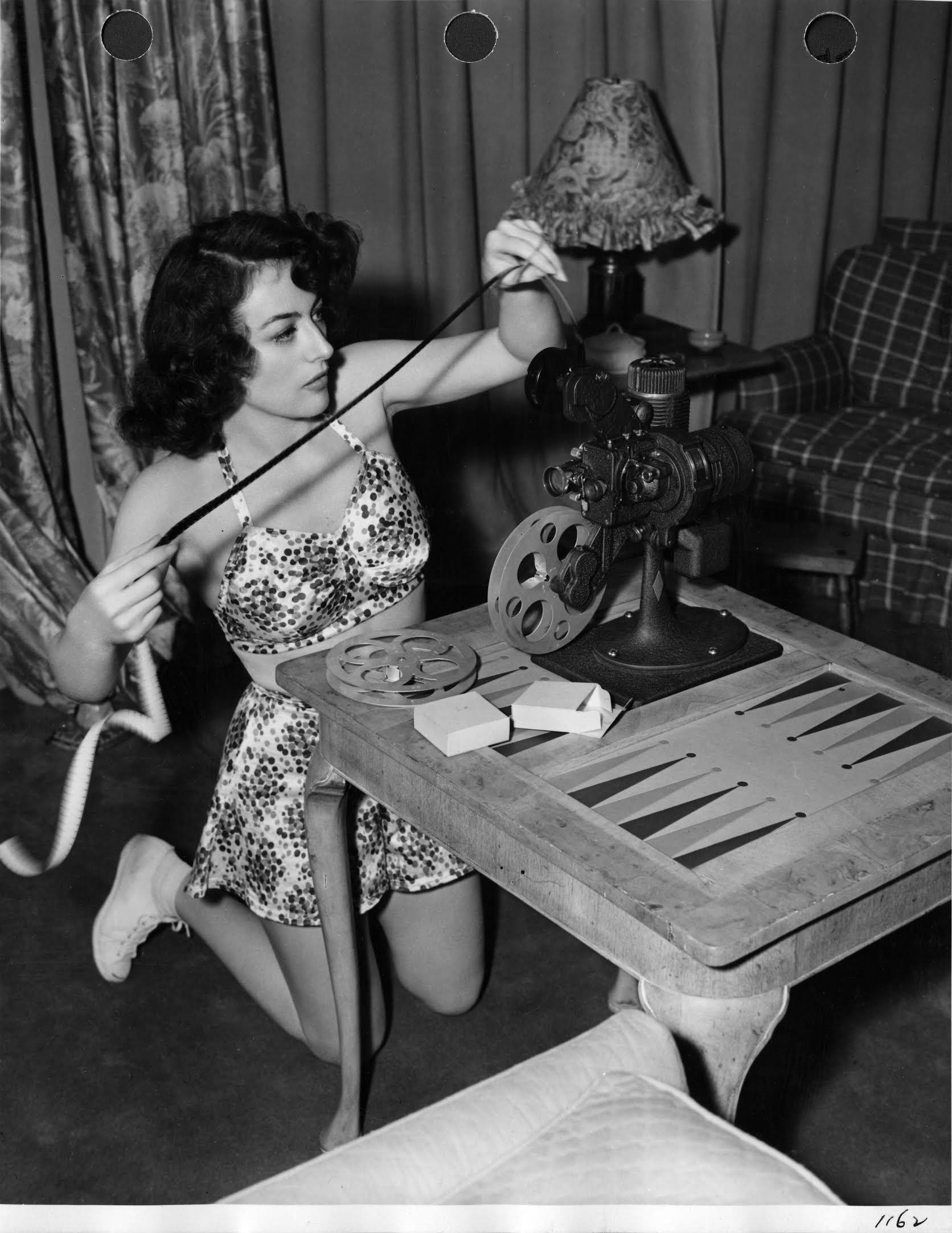
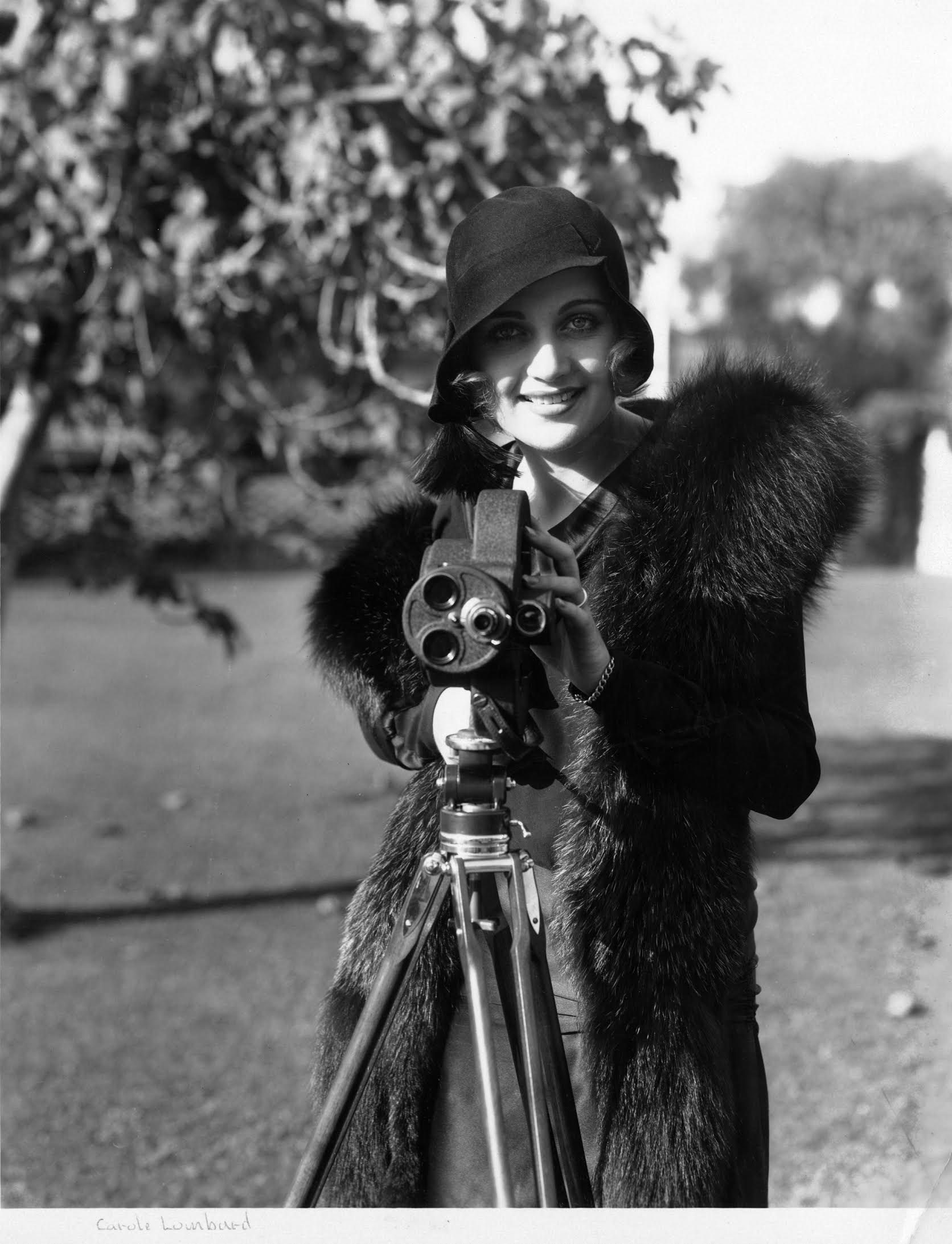
When you watch Joan Crawford running around in her backyard,” suggests Randy Haberkamp, of the Academy of Motion Pictures Arts & Sciences, in Los Angeles, “or you see Alfred Hitchcock playing with his dog or riding his bike, or you get to see Marlene Dietrich on vacation—looking just as glamorous as she does in the movies—it lets us see them as human beings in ways the movies don’t actually show us, and can’t show us.”

In other words, though Hollywood movies may not show us real authentic, unrehearsed, unscripted life—to a degree, the home movies of Hollywood’s greatest stars can and do.

16talkingpics4
Carol Lombard


Haberkamp is managing director of the Academy’s Preservation and Foundation Programs, speaking with me today alongside Lynne Kirste, who serves as the Special Collections Curator for the Academy’s little-known film archive. Within the archive—considered one the top five best archives of its kind in the United States—the Academy collects, stores and preserves thousands of films, shorts, documentaries, clips, snippets and oddities, from beloved classic movies to bits-and-pieces of film history that have been orphaned or lost.

“One of the things we’re especially proud of,” Haberkamp says, “is our home movie collection. In these old home movies—some donated by the stars’ estates, some acquired by purchases we make, some actually found on eBay—these famous people suddenly become real. They are seen as more than just shadows moving through the glamorous world that we’ve known them in. Most people don’t even know this collection exists, so when we get to present them publicly, it’s an opportunity for people to experience first-hand that the Academy is more than just the Oscars.”

This weekend, Haberkamp and Kirste will be appearing at the Christopher B. Smith Rafael Film Center, presenting some of the best examples from the Academy’s home movie collection. The clips will be described and introduced by Haberkamp and Kirste, and silent-movie-style music will be played live by pianist Michael Mortilla, who will stick around to accompany Sunday afternoon’s rare public screening of Mary Pickford’s newly-restored 1925 silent classic Little Andy Rooney, also presented by Haberkamp as an example of work by Pickford, who in the ’20s was producing and starring in her own movies, running her own studio and controlling the content and distribution of her films at a time when many people believed women were supposed to be home raising their kids.

16talkingpics2
James Stewart


Both of this weekend’s programs are significant, Haberkamp points out, because they take us back in time to a period when the art of movie-making was just beginning, and the people who made the films were building a new art form essentially from scratch.

“Sometimes,” Haberkamp says of the home movie collection, “in addition to seeing the stars in their homes or out on the road, you get to see them behind-the-scenes of Hollywood, on the set of movies from 50, 60, 70 years ago. It lets us see how movies were made way back when, and what they were like when they weren’t acting.”

“We currently have around 3,000 reels of home movies in our collection,” Kirste says, “about half of which came to us through the families of people involved in the motion picture industry. It’s kind of like having a time machine, watching these films, getting a chance to go back in time and see moving images of people going through their lives. The program we present at our public programs, like the one we’re doing this weekend, will be especially interesting to anyone who’s a fan of old Hollywood.”

In Saturday’s program, for example, Kirste says she’ll be screening clips donated by a friend of silent movie actress Esther Ralston, including one significant piece of forgotten history.

“There’s actually behind-the-scenes footage of her making a movie in 1928 with Gary Cooper,” Kirste says. “The movie they were making, Half a Bride, is a lost film. No known copies exist. So it’s pretty amazing to be able to get a glimpse of what this lost film was about, as we see them working together to film it. Plus, it’s pretty interesting to see what Gary Cooper looked like in the ’20s. He’s got lipstick on, like they used to do in silent films.”

Though Ralston is barely remembered today, she was once a big star, nicknamed “The American Venus” by Flo Ziegfeld. The archive’s footage includes shots of Ralston and Cooper on a San Francisco publicity tour for Half a Bride, footage Kirste guesses Bay Area audiences will find fascinating.

16talkingpics3
William Randolph Hearst and Davies


“It’s pretty wild,” she says. “We get to see them visiting Golden Gate Park and looking at the bison. They visit a few different locations in San Francisco. It’s interesting to see what the area looked like back in the day.”

Another element of the behind-the-scenes footage Kirste and Haberkamp will be showing is that much of it is in color at a time when the stars were making primarily black-and-white movies.

“We’re going to show some footage of the making of the movie Heidi, with Shirley Temple,” Kirste says. “The movie was made in 1937, and the feature film was black-and-white, but the behind-the-scenes footage is in color, so if you’ve seen the classic film, it’s really fun to see what those locations really looked like in color.

16talkingpics5
Steve McQueen


“And to see Shirley Temple on the set, fooling around and having a good time, getting head-butted by a goat and just laughing and laughing—that just gives us a feeling for what Shirley Temple was like in real life. When you’re used to seeing someone as a character on screen, then you get to see them as a real person, it’s a very interesting and powerful experience.”


NOW PLAYING

Hollywood Home Movies takes place Saturday, Jan. 17, 7:15pm. Little Andy Rooney screens Sunday, Jan. 18, at 4:15pm at the Christopher B. Smith Rafael Film Center, 1118 Fourth St., in San Rafael. All seats $12. www.rafaelfilm.org.

Video: Lucy in the sky with diamonds

by Richard Gould

LUCY arrives on Blu-ray after a late-summer run that shocked the experts—due, I think, to all the film’s known talent going full echt with their brands. A bullet-riddled Luc Besson pic that spans three continents with its story of a species-altering super-drug and the toughs who aim to get it, Lucy’s the trippiest and most chance-taking production of Besson’s long career, and showcases Scarlett Johansson in her—and his—most kickass female lead to date. For Besson, that’s saying something. Johansson plays a drifter student abroad who’s forced by a Korean mob boss to be a drug-mule for a packet of blue-crystal CPH4 bound for Paris. The stuff has been synthesized, she soon figures out, to raise human brain usage from its paltry 10 percent to unknown heights—sewn into the abdomens of herself and three unluckies by Mr. Jang’s henchmen. When a stray kick breaks that bag loose and sends it coursing into her bloodstream, Lucy’s mental powers become enriched, then highly-enriched, and then weaponized. It’s a race against the mob, the cops and her own amped genetic clock for Lucy to make contact with renowned brain expert Morgan Freeman and learn her purpose—as those sensory powers threaten to accelerate her into toast. Purest candy-corn from start to finish, with a game-winning tally of clean kills, Lucy has morphed Johansson’s clean-cut Marvel appeal to a new lethality.

That TV Guy

by Rick Polito

Friday, Jan. 16 World’s Funniest Fails YouTube has opened a whole new opportunity for men willing to get hit in the groin with a flying object. Extra points if it’s a squirrel. Fox. 8pm.

Steve Austin’s Broken Skull Challenge A professional wrestler hosting a reality show is as close as professional wrestling has ever been to reality. CMT. 8pm.

Henry Ford: American Experience A look at the pioneering visionary whose genius for invention gave us gridlock, parking meters, obesity and the suburbs. On the plus side, we got cup holders. KQED. 9pm.


Saturday, Jan. 17 The Hunger Games A young girl volunteers for a government program and meets interesting young people from across the nation. (2012) ABC Family. 8pm.

Mythbusters In the Indiana Jones episode we learn whether it’s possible to swing from a bullwhip, outrun a rolling boulder and smuggle cultural artifacts stolen from indigenous people through customs. Discovery Channel. 9pm.


Maybe in the next 'Mythbusters,' the team investigate if it's still safe for Harrison Ford to be cast in 'Indiana Jones' movies.
Maybe in the next ‘Mythbusters,’ the team investigate if it’s still safe for Harrison Ford to be cast in ‘Indiana Jones’ movies.

Sunday, Jan. 18 The Lion, the Witch and the Wardrobe Usually the magical world opens up when you come out of the closet. (2005) Starz. 6:35pm.

The Great British Baking Show As opposed to The Great Humboldt Getting Baked Show. KQED. 8pm.

The Librarians In the finale, the mystery-solving, treasure-hunting librarians find out about that book you’ve been meaning to return since 1998. TNT. 9pm.


Monday, Jan. 19 Whitney The Whitney Houston biography is clearly going to be a train wreck, but a train wreck with perfect pitch. (2015) Lifetime. 8pm.

My 600-lb Life: Where Are They Now? The Sizzler? Olive Garden? The Learning Channel. 9pm.

State of Affairs The team suspects a sorority girl is part of a terrorist cell. It was the Izod burka that gave her away. NBC. 10pm.


Tuesday, Jan. 20 State of the Union Address Tune in to see the expression on John Boehner’s face when President Obama says “low fuel prices,” “falling deficit” and “best job growth since 1999.”  Even on a good day, the guy looks like the ice cream just fell off of his cone. Broadcast Networks, Cable Channels, Home Shopping Network. 6pm.

We're sad about the ice cream, too.
We’re sad about the ice cream, too.

My Crazy Love People tell stories of  “crazy” things they have done for love. It’s mostly harmless. This is Oprah’s network. The Stalker Games is on The Learning Channel. Oxygen. 10pm.

Hack My Life When did  “Use a binder clip to hold stuff together” become a “hack”? TruTV. 10:30pm.


Wednesday,  Jan. 21 Lance Armstrong: Stop at Nothing Or, more accurately, Lance Armstrong: Stop at The Pharmacy On The Way To The Race. Showtime. 6:15pm.

Nature In “Dogs that Changed the World,” we learn how shepherding dogs, sled dogs and tracking dogs became pivotal tools in civilization’s expansion around the globe. In “Dogs that Changed the Color of Your Carpet,” we learn about your dog. KQED. 8pm.


Thursday, Jan. 22 Chicken Little What if he was right? (2005) Starz. 7:35pm.

Chopped Canada It’s a cooking show from Canada. The baking times are equivalent to the average length of a hockey game. Food Network. 9pm.

Critique That TV Guy at le*****@********un.com.

Food & Drink: It’s award season

by Tanya Henry

Food luminaries and enthusiasts congregated at the Palace of Fine Arts to celebrate the Good Food Awards on Jan. 8. Hundreds of producers of mindfully made products were recognized in categories that ranged from confections, pickles, honey, oil and cheese to charcuterie, spirits, ciders and coffee, among others.

MARIN FOR THE WIN In its fifth year, the Good Food Awards event has already become the gold standard for artisanal food producers who are consciously manufacturing food in sustainable and mindful ways. The keynote speaker was The New York Times journalist Mark Bittman, while Alice Waters, Ruth Reichl and Nell Newman—of Newman’s Own—presented awards to the beaming recipients. Master of ceremonies, Sam Mogannam of Bi-Rite Markets, kept the evening moving along, but multiple lively and heartfelt speeches from grateful recipients saved the two-hour-long ceremony from drudgery. The closing remarks, made by founders of the awards and presented by Sara Weiner, captured the essence of the movement and echoed Gandhi’s commitment to be the change we want to be. Not surprisingly, California was well represented in each category, but it was cheese where the Golden State—and specifically Marin—shone the brightest. Out of 17 winners, three were Marin and Petaluma cheesemakers. Bellwether Farms, for their whole Jersey milk ricotta & blackberry sheep milk yogurt, Marin French Cheese, for their petite breakfast, and Tomales Farmstead Creamery for their atika.

TOP TRENDS IN TREATS Another annual food celebration took place from January 11-13 at the Moscone Center. In its 63rd year, the Specialty Food Association held its Winter Fancy Food Show that brought 1,400 exhibitors (over 400 from California) to display their vast array of foodstuffs—from nori-infused popcorn to artichoke water. The massive for-the-trade show featured the usual suspects, including teas, chocolates and olive oils. However, every year brings new and innovative products from unusual strawberry-flavored popped quinoa breakfast cereal and savory bacon coconut chips to insect flours. Five trends were determined by a trendspotter panel compiled of food journalists. The winning categories are listed below. Included are examples of some of the products that stood out and informed the experts that these were indeed true trends.

SAY CHEESE (AND YUM) Since local cheeses made out so well at the Good Food Awards, mark your calendars early to attend the ninth annual California’s Artisan Cheese Festival in Petaluma from March 20-22. Chances are the winners will be there! This premier event features wine and cheeses, seminars, tastings and much more. Learn all about it by visiting www.artisancheesefestival.com.

Share your hunger pains with Tanya at th****@********un.com.


Cheese Twists

Yancey’s Fancy—Grilled Bacon Cheeseburger Artisan Cheese

Sonoma Creamery—Mr. Cheese O’s

Silva Regal Spanish Food—Manchego-Style Cheese-Flavored Olive Oil

Angie’s Boomchickapop—Caramel & Cheddar Mix

Breakfast Served All Day

Chuao Chocolatier—Strawberry Waffle Wild Milk Chocolate

Uncle Andy’s Jerky—Bandito Loco Spicy Coffee Beef Jerky

The Republic of Tea—Cinnamon Toast HiCaf Tea

Dang Foods—Savory Bacon Coconut Chips

Time for Turmeric

Rishi Tea—Turmeric Ginger Tea

HealthVerve—Turmeric Rice

Bruce Cost Ginger Ale—Passion Fruit Ginger Ale with Turmeric

Navitas Naturals—Turmeric Tamari Almonds

Cruciferous Crusade

Creative Snacks—Broccoli Chips

Alive & Radiant—Arugula Cabbage Veggie Krunch

Wonderfully Raw Gourmet—Tamarind Almond Crunch Brussel Bytes

Daily Greens—Purity Cold-Pressed Juice with Kale, Broccoli and Cucumber

Vanilla Bean-anza

Heber Valley Artisan Cheese—Vanilla Bean Cheddar Cheese

Choctal—Single-Origin Vanilla Ice Creams

Dancing Deer Baking Co.—Pure Vanilla Bean Shortbread

Milkboy Swiss Chocolate—White Chocolate with Bourbon Vanilla


Kaiser Permanente study shows Marin is not alone in underimmunization rates

by Molly Oleson Parents in Marin choosing not to vaccinate their children are not alone. A new Kaiser Permanente study, published recently in the journal Pediatrics, finds that there are several clusters of underimmunization and vaccine refusal among Kaiser Permanente members in Northern California. "Such clusters," the study reads, "could pose public health risks and barriers to achieving immunization quality benchmarks." Parents...

Tyson Underwood, 78, founder of the Marin Art Festival dies

by Molly Oleson Tyson Underwood, former director of the Sausalito Art Festival and founder of the Marin Art Festival, died at his home in Mill Valley on Jan. 9. The artist and promoter of the arts had been suffering from myelodysplastic syndrome—a form of leukemia—for the past year and a half. Passing away just days before his birthday, Underwood was, according...

Golden Gate Bridge reopens after median installation

by Molly Oleson Driving from Marin to San Francisco (and vice-versa) over the Golden Gate Bridge got a lot safer over the weekend, when the iconic span was closed to traffic for the installation of a $30.3 million median barrier. The one-foot-wide and approximately 13,340-foot-long Moveable Median Barrier (MMB) system, which separates opposing directions of traffic, will virtually eliminate the possibility...

Trivia: More than 60 streams flow into Lake Tahoe, but only one river flows out. What is it?

Answer: The Truckee River, which flows northeastward towards Reno and into Nevada’s Pyramid Lake For more trivia questions (and answers!) see Howard Rachelson’s Trivia Café every week in the Pacific Sun.

Upfront: Electric avenue

by Peter Seidman Bicycles now entering the market can change the way average riders view alternative transportation. The bikes are arriving at the same time that alternative transportation critics are saying biking is an effete activity unworthy of infrastructure investment. Electric-assist bicycles, sometimes called “pedelecs,” use an electric motor to give riders an extra oomph down the road. The motors attach to...

Golden Gate Bridge makes history and Comcast creates conflict

hero and zero
by Nikki Silverstein HERO: Accolades to the folks at the Golden Gate Bridge District and law enforcement for their handling of the bridge closure to private vehicles last weekend as work crews installed the lifesaving, moveable median barrier. With weeks of advance warning from lighted signage on Highway 101 to last-minute Nixle text and e-mail alerts from the California Highway...

Talking Pictures: Behind the scenes

by David Templeton When you watch Joan Crawford running around in her backyard,” suggests Randy Haberkamp, of the Academy of Motion Pictures Arts & Sciences, in Los Angeles, “or you see Alfred Hitchcock playing with his dog or riding his bike, or you get to see Marlene Dietrich on vacation—looking just as glamorous as she does in the movies—it lets...

Video: Lucy in the sky with diamonds

by Richard Gould LUCY arrives on Blu-ray after a late-summer run that shocked the experts—due, I think, to all the film’s known talent going full echt with their brands. A bullet-riddled Luc Besson pic that spans three continents with its story of a species-altering super-drug and the toughs who aim to get it, Lucy’s the trippiest and most chance-taking production...

That TV Guy

That TV Guy
by Rick Polito Friday, Jan. 16 World’s Funniest Fails YouTube has opened a whole new opportunity for men willing to get hit in the groin with a flying object. Extra points if it’s a squirrel. Fox. 8pm. Steve Austin’s Broken Skull Challenge A professional wrestler hosting a reality show is as close as professional wrestling has ever been to reality. CMT....

Food & Drink: It’s award season

by Tanya Henry Food luminaries and enthusiasts congregated at the Palace of Fine Arts to celebrate the Good Food Awards on Jan. 8. Hundreds of producers of mindfully made products were recognized in categories that ranged from confections, pickles, honey, oil and cheese to charcuterie, spirits, ciders and coffee, among others. MARIN FOR THE WIN In its fifth year, the Good...
3,002FansLike
3,850FollowersFollow