Letters to the Editor: Preventing Catastrophe

The tragic structure fire in the Sleepy Hollow area of Marin County that left one person dead on Oct. 26 must ignite in us the inner fire needed to combat global warming. We simply cannot allow a handful of irresponsible and reckless energy magnates the “freedom” to continue to destroy our planet’s health and life-supporting ability with their continuing expansion of fossil fuel production and use.

President Biden’s presidency will make it easier for us to work for the transition to renewable energy. However, we can not merely sit back and expect that the coming catastrophe of global warming will be prevented by President Biden.

Joe Biden’s election merely opens the door a little more widely for us to increase the fight needed to halt the deadly destruction of the Earth’s atmosphere with endless pollution from greenhouse gases and the further destruction of our forests and trees. And it is essential that we in the United States insist that the political leadership of the United States end its senseless rivalries with China, Russia, Iran and North Korea. 

The United States must replace its self-defeating policy of fighting against the world’s other superpowers and instead work in alliance with these other major world governments to radically reduce our greenhouse gas emissions and to defend the health and restoration of the Earth’s dangerously abused ecosystems. And our window of opportunity is not large.

Time is running out in our ability to create this radical change in humankind’s relationship with nature—with our only home, this Earth. If we fail to act immediately, it will soon be too late to save our lives from this most grave threat to our survival.

Rama Kumar

Fairfax

Formerly Unsheltered North Bay Author Takes New Direction

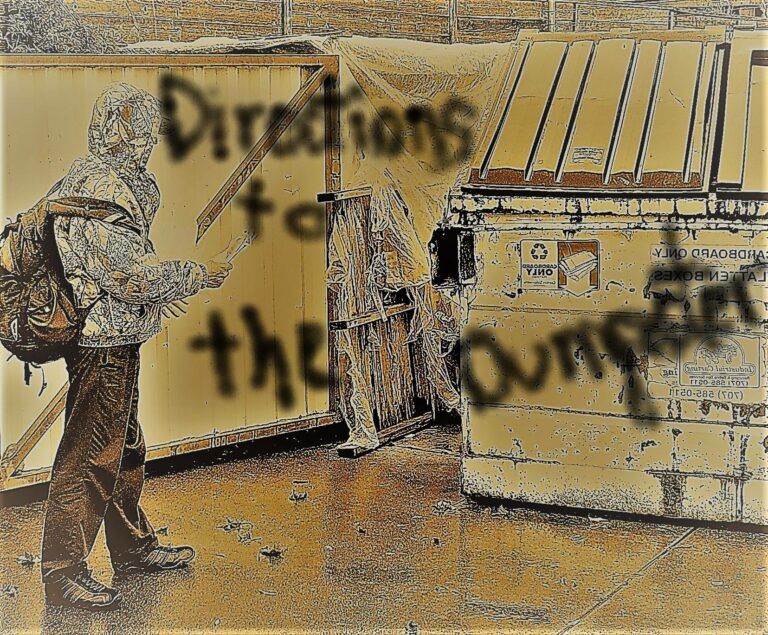
Edward Campagnola has stories to tell. For several years, Campagnola’s story was that of living as an unsheltered resident in the North Bay, and he spent five years writing that account in his debut novel, Directions to the Dumpster, released last year and now available on Amazon.com. 

The book traces Campagnola’s journey in homelessness and his attempts to get out of it while dispelling preconceptions about homelessness and the stigma surrounding it through compassionate writing.

In April of this year, the Pacific Sun ran an article about Campagnola’s struggles to find housing and his efforts to publish his novel, and soon, after another local publication picked up the story, a homeowner in Petaluma reached out to Campagnola and offered him a place to stay.

“It’s an amazing place, I have a room and a garden, and there are dogs that I’ve befriended,” Campagnola says. “I have a place to write, and the resources.”

With those resources, Campagnola has already nearly completed his second manuscript, titled Directions to Mercy Street. The new novel picks up where Directions to the Dumpster left off, and follows Campagnola’s journey during the last year as he found redemption in his writing and hope in his new housing.

“It was rough with ‘Dumpster,’ without the resources,” Campagnola says of writing his first novel. Not only was he forced to write in notebooks and on library computers, but the raw intensity of some of the experiences in the novel—such as being the victim of a violent, random attack on a California-bound Greyhound bus that left him with PTSD—were difficult for him to revisit emotionally.

Campagnola wrote Directions to the Dumpster as a form of therapy, and to give society a better understanding of homelessness in America. 

Directions to the Dumpster is a phrase Campagnola uses literally and figuratively, arguing that in a capitalist society, the homeless are seen as worthless in so much as they are often given directions to the dumpster when they do reach out and ask for help. 

This argument could extend to housing itself in the North Bay, as Campagnola failed to find a room to rent before his local publicity; even with a monthly budget of 800 dollars to spend and groups like Catholic Charities helping him search.

Now in a secure place physically, Campagnola’s writing is flowing out of him like never before and Directions to Mercy Street is packed with emotionally-charged true stories from the last year, including how the Covid-19 pandemic looked to unsheltered residents. 

“I’m on the street when it begins,” he says of the pandemic. “I saw nobody on the street, and I went into this speech about the meek inheriting the whole thing. And this guy listening to me says, ‘nice speech, but save it.’”

Currently, Campagnola is editing Directions to Mercy Street and looking for a publisher to help get the novel out to a wider audience. He is also already writing other manuscripts, and coming up with new projects and even several songs.

“I have been humbled to my knees,” Campagnola says, with regards to finding housing. “The gratefulness that I feel is without bounds.”

“Directions to the Dumpster” is available online now at Amazon.com.

BottleRock Napa Valley Moves to Labor Day Weekend for 2021

It’s been a long road to BottleRock Napa Valley this year, as the North Bay’s biggest music, food and wine festival was forced to cancel its planned eighth annual three-day party at the Napa Expo in downtown Napa last Memorial Day Weekend due to Covid-19.

Initially, the organizers behind BottleRock hoped for a fall version of the event this past October, though the festival officially shelved plans for a 2020 event back in July and instead announced that BottleRock would return in 2021.

Now, BottleRock Napa Valley announces that the road to the festival will go on a bit further, as next year’s event is now being moved from Memorial Day weekend 2021 to Labor Day weekend, September 3 to 5, 2021.

“We are looking forward to presenting BottleRock during such a beautiful time of the year in the Napa Valley,” says BottleRock Napa Valley producer Dave Graham. “We’re excited to bring back some joy to the Napa Valley through live music, with the health and safety of our patrons, artists, vendors, staff and surrounding communities front of mind.”

Organizers made the decision to shift the dates from May to September 2021 just as Napa County moves into a more-restrictive tier of social distancing this week as the state attempts to curb its current rise in Covid-19 case numbers. Festival organizers stress that rescheduling the festival to 2021 is to prioritize the health and safety of patrons, artists, vendors, staff and the surrounding Napa Valley communities that annually support an influx of tens of thousands of attendees.

According to California Governor Gavin Newsom, the state has seen its quickest increase in new Covid-19 cases over the last 10 days since the pandemic began in earnest in March, and state officials are even considering additional measures such as a statewide curfew to discourage people from social gatherings that increase the risk of spreading the coronavirus.

“Every age group, every demographic, racial, ethnic (group) in every part of the state, we are seeing case rates increase and positivity rates increase as well,” Newsom said during a recent briefing on the pandemic. “We are seeing community spread broadly.”

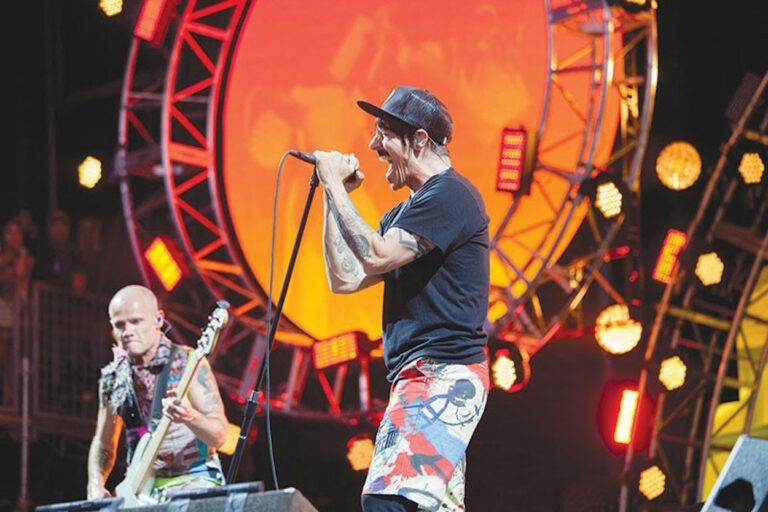
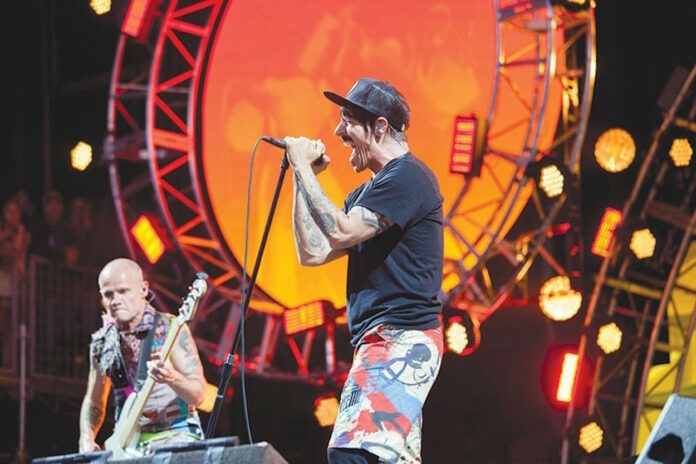
The 2020 BottleRock Napa Valley festival’s scheduled music headliners Red Hot Chili Peppers, Dave Matthews Band and Stevie Nicks were all previously confirmed to perform when BottleRock returned in 2021, and while there is no details on the new Labor Day weekend lineup, organizers will reveal the 2021 BottleRock festival performers early next year.

One thing is for sure, when it returns in 2021, BottleRock Napa Valley will once again feature the world’s top musicians on five stages, as well as its infamous BottleRock Culinary Stage showcasing culinary and celebrity mashups.

All tickets that were sold for BottleRock Napa Valley’s postponed 2020 dates are valid for the September 2021 dates, and festival ticket holders have been notified of their options via email. Those who wish to preregister to purchase available tickets for the new dates as soon as they’re available can visit bottlerocknapavalley.com.

Artist Jim Isermann Designs Russian River Reopening Installation

In a career spanning four decades, artist Jim Isermann envisions a brighter world in his modernist, abstract work by utilizing bold patterns and colors that bridge the realms of fine art and pop culture.

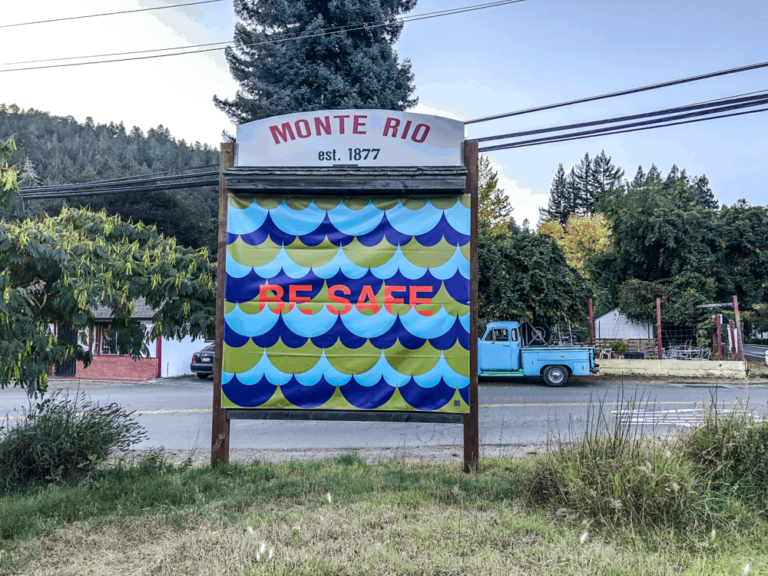
Splitting his time between living in Palm Springs and the North Bay, Isermann is making the Russian River his next canvas and designing artwork that will be seen throughout the community as part of a partnership with the Russian River and Monte Rio Chambers of Commerce, Creative Sonoma, and the National Endowment for the Arts.

The “Creative Reopening Project” features Isermann’s designs dotting more than five miles of art installations which appear on the roads and in businesses in the Russian River corridor. Isermann’s designs mix bright colors with messages of solidarity and Covid-related awareness on eye-catching signs and banners.

Isermann is a globally renowned artist, and he has shown his works in more than 30 solo exhibitions in cities like Paris, London, New York City and many others. Isermann’s other recent projects include works for the Hammer Museum in Los Angeles, the Yale University Art Museum in Connecticut and an installation for the Cowboys Stadium in Dallas.

“One strength running through my forty-year practice is a belief in math, structural logic and geometric algorithms,” Isermann says in his artist statement. “The asymmetric only occurs as the result of a set of rules. What keeps me on this road is the unpredictable, the serendipitous moments that make the work imperfect, breathe and come alive.”

The “Creative Reopening Project” installation features messages that aim to educate and enliven the area, and Isermann’s patterns are meant to reflect the natural arrangements and scenery native to the Russian River and the Redwoods of the North Bay.

In addition to Isermann’s designs, the project benefits from it’s lead creative designer Bob Pullum, owner of the Guerneville Bank Club. Pullum is an art director and graphic designer who has worked at many top agencies in the United States and he is overseeing the installations to help visually unite the region.

The works on display throughout the five-mile corridor range from vinyl banners and sandwich boards to window clings and even Isermann’s specially designed face mask that’s being manufactured by San Francisco company Open Editions–which collaborates with artists to design goods made by factories in the US. The public art also hopes to enliven the region without the need for social gathering, and works can be safely viewed in small groups for from the car.

“I have had a summer cabin in Guerneville since 2010,” Isermann says in his statement. “I spend half the year in the desert and when I return to Guerneville each year I view the landscape with fresh eyes.”

“Although the patterns I create are often representative to me, this project was a rare opportunity to design two patterns that represent the Russian River to all our neighbors and visitors,” Isermann says. “The river and the redwoods were obvious choices. I solved the challenge by emphasizing the contrast between the curvilinear aspect of the river and the rectilinear design of redwood bark. I look forward to seeing the paired patterns on monumental vinyl banners, vinyl window wraps and custom face masks!”

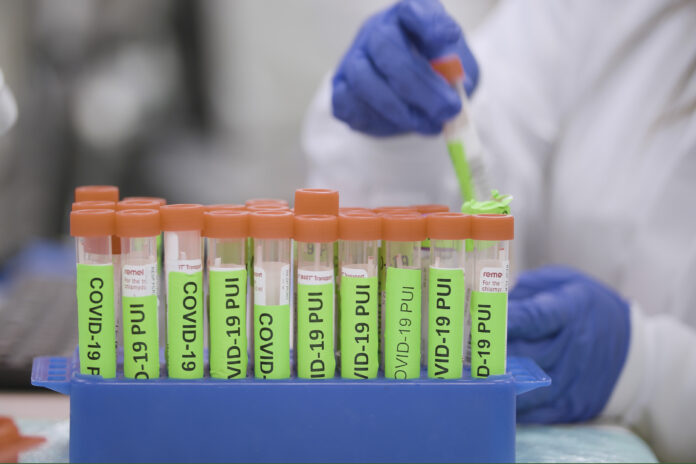
Covid Update: Marin, Other Counties Knocked Into More Restrictive Tiers

0

By Eli Walsh, Bay City News Service

Most of the Bay Area’s counties will move into more-restrictive reopening tiers this week as the state attempts to extinguish its current rise in new coronavirus cases, Gov. Gavin Newsom said Monday.

A total of 28 counties – including Alameda, Contra Costa, Santa Clara, Napa, Santa Cruz and Solano counties – will be moved into the most-restrictive “purple tier” on Tuesday, part of what Newsom described as the state “pulling the emergency brake” on its reopening plans. 

In addition, Marin, San Francisco and San Mateo counties moved into the red tier, the second most-restrictive tier in the system.

According to Newsom, the state has seen its quickest increase in new cases statewide over the last 10 days since the pandemic began in earnest in March. 

“Every age group, every demographic, racial, ethnic (group) in every part of the state, we are seeing case rates increase and positivity rates increase as well,” Newsom said during his Monday afternoon briefing on the pandemic. 

“We are seeing community spread broadly,” he added.

The only counties in the greater Bay Area that did not move to a stricter tier were Sonoma and Monterey counties, which were already in the purple tier.

The state has also tweaked the way counties are assigned to tiers, moving them to a more-restrictive tier after only one week of rising cases rather than the previously established two.

Newsom said state officials are considering additional measures such as a statewide curfew to discourage people from social gatherings that increase the risk of spreading the coronavirus. 

The tier changes will take effect Tuesday.

North Bay Food Banks Ramp Up Efforts as Winter Sets In

It comes as no surprise to learn that the demand for food donations has soared since the Covid-19 pandemic started in March of 2020. In an effort to help feed those in need this holiday season, North Bay food banks are expanding their programs and recruiting the community to aid them in their efforts, with food drives and other initiatives happening in Marin and Sonoma County.

SF-Marin Food Bank
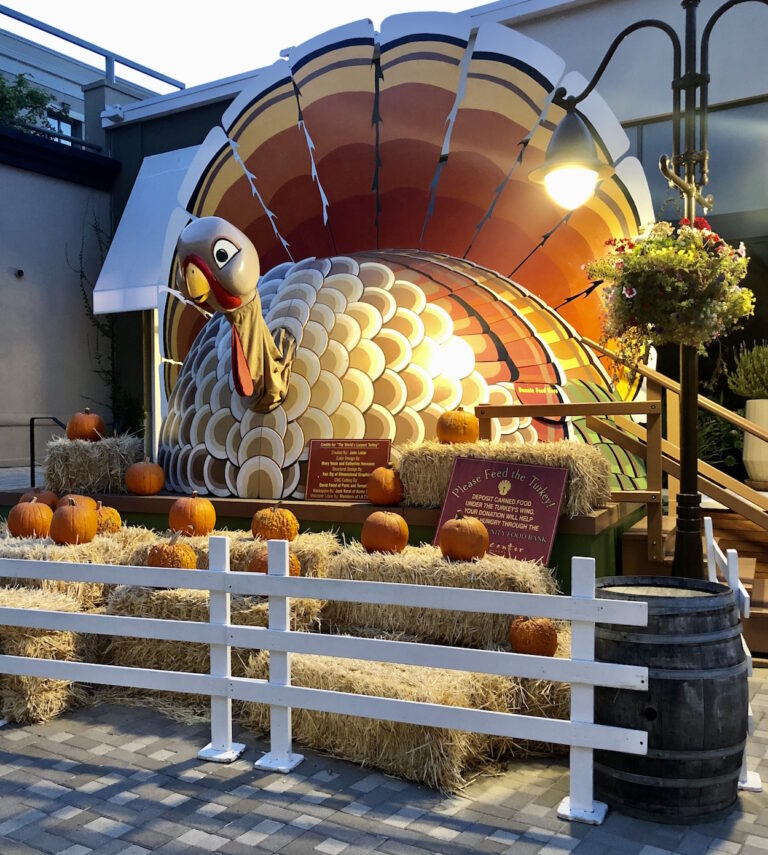
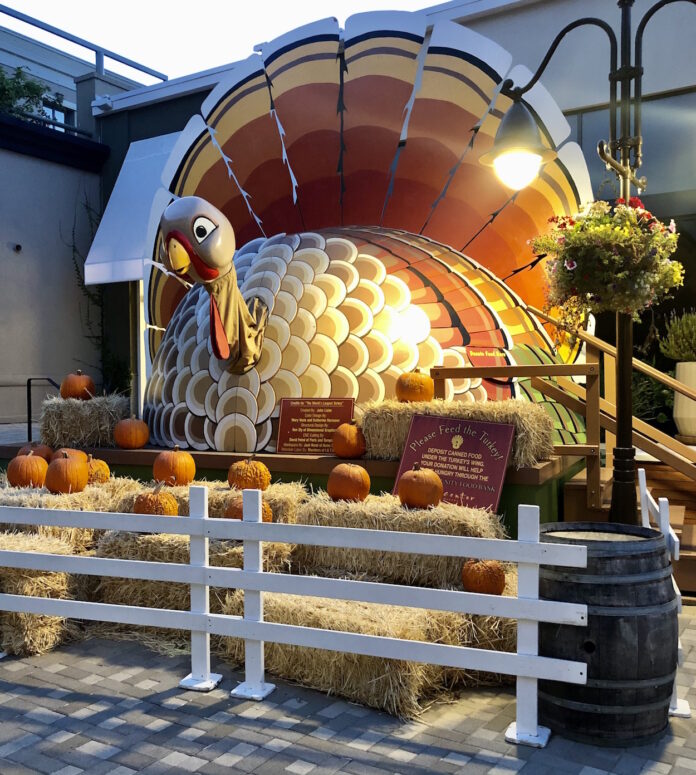
Currently, Town Center Corte Madera is hosting the 28th annual Town Center Corte Madera Food Drive in cooperation with the SF-Marin Food Bank. Marin County residents are encouraged to drop non-perishable food items off at the giant turkey display (pictured). SF-Marin Food Bank will then distribute that food to families in need during the holiday season.

The most needed food items include tuna, chicken and salmon in pop-top cans or tear-open pouches. Other items in demand include canned meats, low sodium chili and stew, and nut butters. Donations will be collected under the giant turkey’s wing through December 31.

“The need for food donations is soaring this year, which makes this food collection drive even more important,” Town Center Corte Madera General Manager Monty Stephens says in a statement. “Each year, our community comes together and donates approximately 4,000 to 6,000 pounds of food during our annual food drive, which goes a long way to help those in need. We are hoping for a record year.”

SF-Marin Food Bank is a nonprofit organization dedicated to ending hunger in San Francisco and Marin by serving more than 60,000 households a week; meaning that more than 48 million pounds of food will be delivered this year to assist more than 140,000 residents in need of food assistance.

Town Center, featuring more than 50 shops, restaurants, specialty stores and services, is located at 100 Corte Madera Town Center, Corte Madera. For more information on the food drive, visit Shoptowncenter.com.

Food For Thought
On Monday, Nov. 23, Sonoma County nonprofit Food For Thought will be holding dual Drive-Thru Holiday Food Drives in Santa Rosa and Petaluma to help provide its clients with everything they need to make a festive holiday meal.

The food items can be dropped off to the Food For Thought team in the parking lots of the Santa Rosa Plaza or Petaluma Village Premium Outlets. Donors will be asked to stay in their vehicles to keep social distancing in effect.

Food For Thought provides nutritional meals to more than 1,000 Sonoma County residents who are at risk of malnutrition or living with a range of serious illnesses. For the upcoming Drive-Thru Holiday Food Drives, Food For Thought is asking the public to donate items such as Cranberry Sauce, Canned Pumpkin and Stuffing Mix.

The Drive-Thru Holiday Food Drives will be open for donations from 10am to 4pm on Nov. 23, and donations can be made at 1071 Santa Rosa Plaza in the small lot on First Street between A and B Streets, next to the Sears building; and 2200 Petaluma Blvd. North, in the parking lot to the left of the main entrance to the Petaluma Village Premium Outlets. Food For Thought is also hosting a virtual food drive at FFTfoodbank.org.

Golden Gate Bridge District Votes to lay off 150 Workers

By Eli Walsh, Bay City News Foundation

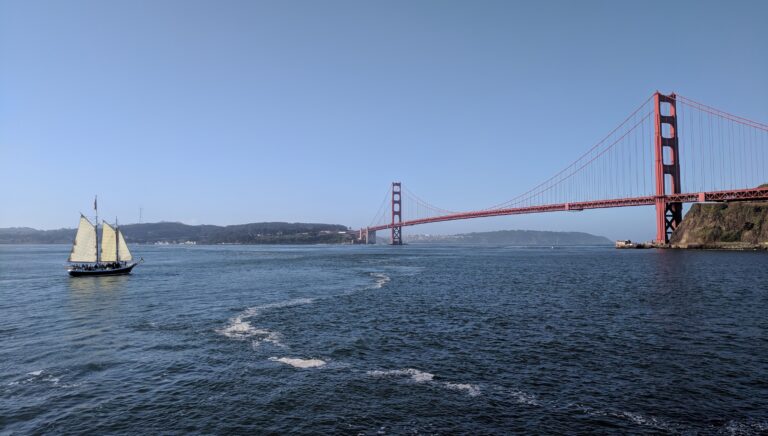
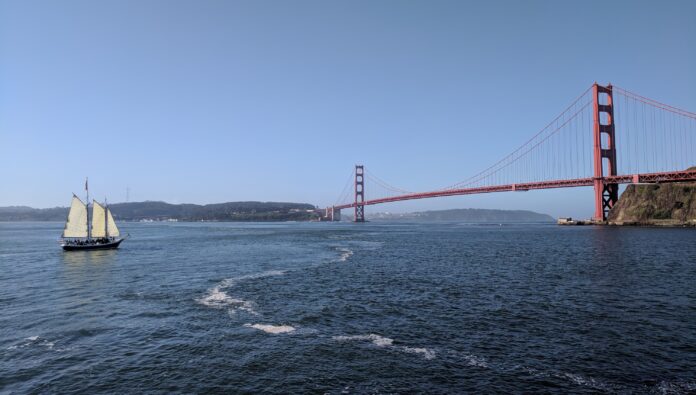
The Golden Gate Bridge District Board of Directors voted Friday to lay off nearly 150 employees to help shore up the district’s projected budget shortfall of some $48 million due to reduced ridership during the coronavirus pandemic.

By an 11-5 vote, the board chose to eliminate 146 filled staff positions and 59 vacant ones in early January. The board elected the layoffs in lieu of raising the bridge toll by up to $2 to replace the district’s lost revenue. 

The board also pushed back the effective date for the layoffs from Dec. 5, which was recommended by the board’s staff, to Jan. 4 to avoid laying workers off during the holiday season. 

“Sadly, it’s clear we need to take affirmative action to either reduce costs or raise revenue,” said Director Brian Sobel, the chair of the district’s Budget and Finance Committee.

With no authority to tax Bay Bridge, bus or ferry users, Sobel argued that paring down the district’s staff is the only way to cut costs without raising toll prices.

The district is expected to exhaust its remaining federal relief funding from the Coronavirus Aid, Relief and Economic Security Act by the end of November, at which point its coffers will be nearly empty, according to district officials. 

In addition to reduced traffic from the Marin headlands into San Francisco, bus ridership is down 75 percent from normal levels while ferry ridership is down 96 percent, according to Sobel.

District officials have faced public pushback in recent weeks, as well, when they’ve suggested the need to raise toll prices for the district to remain solvent. 

The board also heard from multiple bus operators and union representatives arguing that the district was treating them as numbers on a spreadsheet rather than dutiful employees.

“This is a horrible and difficult situation that puts our duties as directors at odds with our feelings of compassion for our employees who work hard in our transit and ferry divisions,” Sobel said.

Board Director Sabrina Hernandez said it was painful to hear employees say that they feel undervalued by the district, adding that their work has not gone unnoticed.

“We recognize that you come to work, that you’re committed, that you’re making your own sacrifices on a day-to-day basis and face the unknown with people walking in the door and, perhaps, bringing COVID on board, exposing you and the rest of those riders on the bus,” she said.

Multiple board members expressed varying levels of optimism that President-elect Joe Biden’s incoming administration would be able to work out a new pandemic relief package, or that one could be passed during congress’ current lame duck session. 

However, the level of funding for beleaguered public transit agencies in a potential relief bill remains up in the air, Sobel said.

Board Director David Rabbitt suggested potential federal funding for the Bay Area’s 25 Federal Transit Administration-eligible transit agencies would have to eclipse the $1.3 billion included in the CARES Act to adequately meet the needs of agencies like the district and BART.

“We got $1.3 billion and we thought that was a fabulous number, quite frankly,” Rabbitt said. “But that won’t be enough moving forward with the situation in front of us.”

Should the district receive more federal funding before Jan. 4, the board would be able to call a special meeting and reduce the number of layoffs or avoid layoffs entirely, according to district officials. 

The board unanimously approved a $2.1 million severance package for the employees who will be laid off, offering them four months of medical benefits for the employee and their family and four weeks of severance pay or a $600-per-week stipend for 10 weeks.

The board also voted 14-1 to temporarily reduce pay for mid-managers, deputy general managers, district officers and members of the board by 10 percent. 

“The district is clearly faced with an extreme financial deficit,” Board President Barbara Pahre said. “And it’s our responsibility, fiduciarily, to make the difficult decisions.”


The Happys Hear Voices in New Music Video

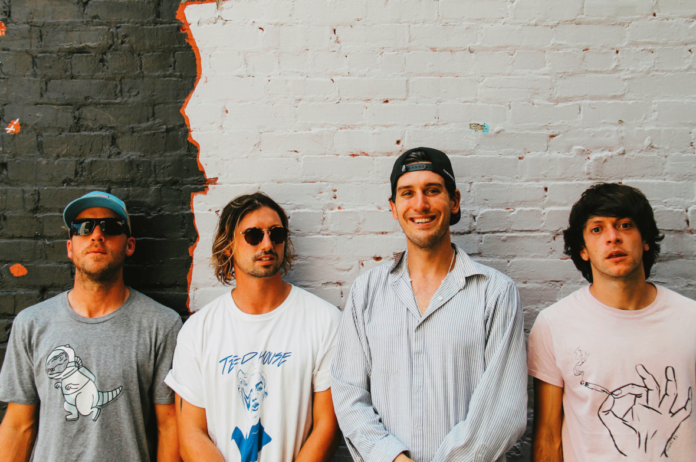
North Bay pop-punk group The Happys is a band that wears its emotions on its sleeve, singing about mental health and personal relationships with frank and amusing lyrics set against upbeat rhythms and shredding guitars.

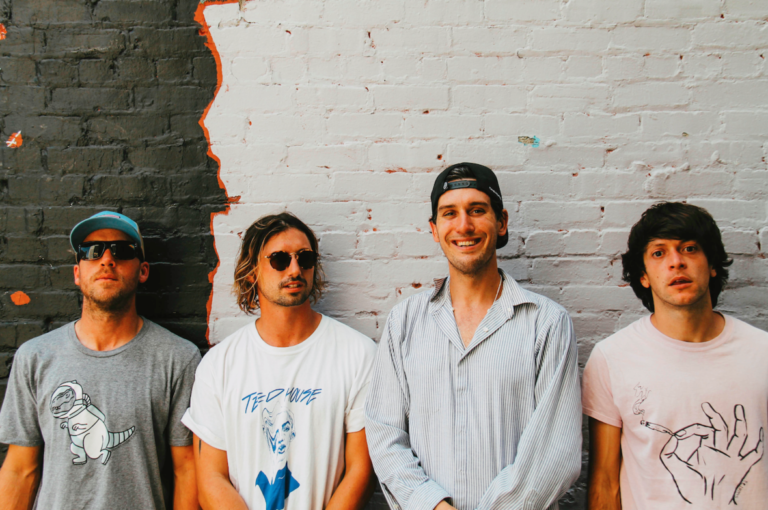
Singer-songwriter and front man Nick Petty, a Marin County native, started the band as a positive outlet after a troubled youth that included depression, addiction and brief incarceration, and the band now features lead guitarist Alex Sanchez, bassist Brett Brazil and drummer Ben Moore.

Drawing musical inspiration from ‘90s alternative and 2000s pop-punk acts like Blink-182, The Happys lay out their issues on the fun, four-song EP, Bipolar, released in the summer of 2018. Now, the band has released new music video for the EP’s title track featuring the group running wild amidst the stunning scenery of the Ron Collins Art Gallery.

“‘Bipolar’ is a song written about a girl who I once liked who had bipolar disorder,” Petty says in a statement. “In hindsight, this song is based on the give-and-take nature of love. The song dives into personal struggles from my childhood with bipolar emotions and tendencies. I always want to empower people through my lyrics to never feel less than anyone else for struggling with their mental health and differences.”

Musically, “Bipolar” mixes lyrical paranoia and power-pop structures for surreal surf-rock aesthetic that the group matches with the music video’s visuals. The new video features Petty and the group playing on the grounds of the Ron Collins Art Gallery, a 13000-square-foot Petaluma chateau that Collins–a longtime board member of the Marin Museum of Contemporary Art–transformed into a three-story gallery space.

The band’s connection to Collins can be traced to the Marin nonprofit organization Ambassadors of Hope and Opportunity, which Collins has long supported. The nonprofit helps homeless kids in Marin, and helped Petty through his own adolescent struggles. Through the nonprofit, Petty also met filmmaker Will Rushton, who shot the new music video.

The other songs on the Bipolar EP also feature mental-health subject matters. Opening track “Birdy” is about living with depression, while track two, “Cut the Rope,” examines elements in people’s lives that hold them back emotionally. The EP’s closer, “Manic,” is about being, well, manic. Despite the subject matter, the tempo on the EP stays pulsing with hints of heavy metal flair in the punk-rock revelry.

While the Bipolar EP came out two years ago now, the songs still hold meaning for Petty and for listeners who have been dealing with the emotional fallout of the ongoing Covid-19 pandemic.

“During these times, I want to help people to understand that it’s normal to feel weird and lost during this quarantine. While it will eventually pass, I truly believe that we can use this time to create something beautiful,” Petty says. “I get what it’s like to not be getting the necessary help while suffering from depression and anxiety. I am very lucky to have this musical outlet to help with my own issues and I want to spread the love and hope to anyone who will listen. I strive to entertain people and let people know it’s OK to be weird, it’s OK to be different.”

Watch the video for “Bipolar” below.

Stay Virtual with Upcoming Online Offerings

According to statewide data, the Covid-19 pandemic is still considered to be a moderate threat in Marin and Napa County, and a widespread threat in Sonoma County, meaning this weekend may be a good one to avoid crowds and instead engage with local music, theater and more from the safety of the internet. Here are five things to do virtually over the next five days.

Virtual Concert
There was a time earlier this fall when Mill Valley’s Sweetwater Music Hall toyed with the idea of reopening. They even tried to put some shows on the books, but for a variety of reasons–Covid’s continued presence in Marin for one–the venue is staying shut to the public for now. Still, Sweetwater’s stage will be busy tonight as the venue hosts local psychedelic soul brothers Monophonics for a live streaming show tonight, Thursday, Nov. 12. The band is playing a special set that will include them performing their new album It’s Only Us in its entirety as well as some fan favorites. Tune in to see the Monophonics Thursday, Nov. 12, at 6pm. $15. Get tickets at Sweetwatermusichall.com.

Virtual Film
While the Napa Valley Film Festival is on hold until 2021 due to Covid-19, the film, food and wine extravaganza offers a virtual substitution with its 2020 Napa Valley Film Festival Alumni Streaming Series. For the next few days, several films that were featured in past Napa Valley Film Festivals are available online and a limited number of tickets are available on a first-come, first-served basis. Films include 2017 romantic drama The Year of Spectacular Men, the 2018 fantasy-drama Cold Brook, 2019 Chinatown gang-war comedy Lucky Grandma and several others. The streaming series is open, and new films debut in the series daily through Sunday, Nov. 15. Tickets and passes are available at Napavalleyfilmfest.org.

Virtual Theater
Forced to cancel its live theater season due to Covid-19, Marin Theatre Company is transitioning to an exciting lineup of virtual experiences for its 54th season. Currently, MTC presents the digital premiere of an interactive play, Leila Buck’s American Dreams, in which the audience participates in judging a game show for U.S. citizenship. Buck’s script imagines a government-run broadcast where three hopeful competitors debate various democratic policies. The play ultimately sends a message of unity and digitally creates a space for connection, while also offering a good portion of laughs and lively entertainment. American Dreams is running online daily now through Sunday, Nov 15. Times vary, $30 general admission, no latecomers allowed to the performances. Get tickets at Marintheatre.org.

Virtual Food & Drink
Traditionally, Sunday is the day for families or friends or whole communities to get together and have a special meal, and Sebastopol’s Emeritus Vineyards is recreating that gathering online with its Virtual Sunday Social Club Supper this weekend. RSVP as soon as possible to get the emailed ingredients list, then join the Zoom event to create the dishes and enjoy the wine with a special guest chef on hand to prepare it with you online. The supper club then invites everyone to toast together and stick around to enjoy the meal together over Zoom on Sunday, Nov. 15, at 4pm. RSVP at Emeritusvineyards.com.

Virtual Reading
In the face of the Covid-19 pandemic, Petaluma’s Rivertown Poets have moved their “Amuse-ing Mondays” reading and open mic series from the Aqus Café to Zoom, keeping the poetry going online. This time, Rivertown Poets welcomes Terry Ehret, John Johnson and Nancy Morales—a trio of translators who recently worked on the late Ulalume Gonzalez de Leon’s poetry collection, Plagios (Plagiarisms), published by Bay Area group Sixteen Rivers Press. The featured poets will read from the collection and an open mic follows on Monday, Nov. 16, at 6:15pm. Free. Sign up in advance for open mic or join the Zoom reading through the group’s Facebook page.

Michael Krasny Signs Off

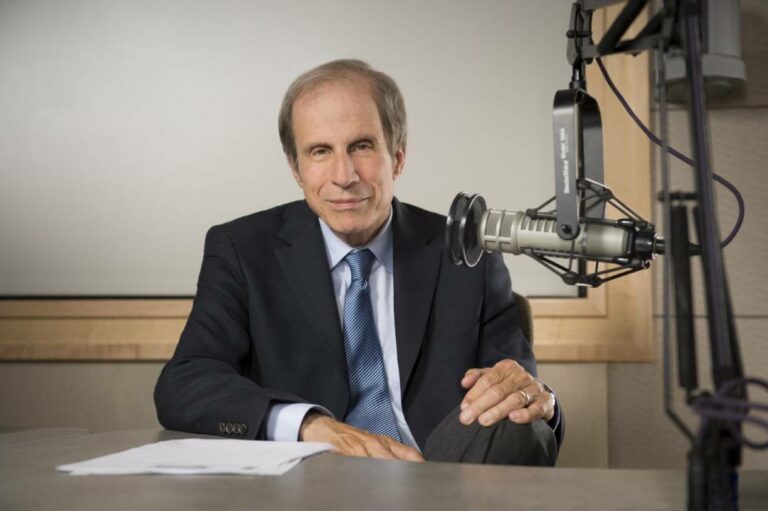
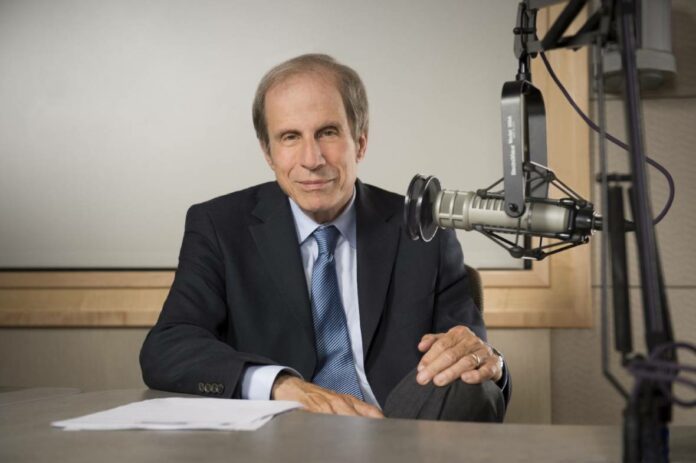
For the last 30 years, Bay Area residents have received in-depth coverage of local and national news from KQED’s Forum, the long running radio call-in show helmed by broadcaster, author and academic Michael Krasny since 1993.

As the host of the radio program, Krasny has become an indelible part of the Bay Area. Yet, Krasny recently announced that he will be stepping away from the microphone and concluding his regular hosting duties on February 15, 2021.

“Michael is a Bay Area jewel,” says Holly Kernan, KQED’s Chief Content Officer, in a statement. “His is a model public service career and he has brought depth, compassion and the expertise of a literature professor to the airwaves on a daily basis. Forum shows how a regional public affairs program can serve listeners with reasoned and thoughtful dialogue that cuts across so many disciplines and important issues.”

A longtime resident of Marin County, Krasny began his broadcasting career in the late 1970s as host of “Beyond the Hot Tub,” a weekly program on the small Marin rock station KTIM FM.

By the mid-1980s, Krasny was working in both radio (KGO AM) and on local television. He joined KQED in 1993 as host of Forum, where he explored issues related to local and national news, politics, culture, health, public affairs, art and more.

Over the course of Krasny’s tenure, Forum developed a loyal audience whose engagement with Krasny made the show one of the Bay Area’s top drive-time radio programs. Forum is also one of the top-ranked regional programs in all of public media, reaching an average of 246,000 radio listeners each week and engaging another 70,000 online listeners.

Over his broadcasting career, Krasny has interviewed prominent figures such as Maya Angelou, President Jimmy Carter, Cesar Chavez, Francis Ford Coppola, Jerry Garcia, Toni Morrison, President Barack Obama, Rosa Parks, Gene Wilder and many more. For his work, he has received several broadcasting, writing and scholarly awards, including the recent Silver SPUR Lifetime Achievement Award, the most prominent award for lifetime civic achievement in San Francisco.

In addition to his broadcasting career, Krasny has worked as Professor of English at San Francisco State University and taught at prestigious institutions like Stanford University. He has also authored several books, including Off Mike: A Memoir of Talk Radio and Let There Be Laughter: A Treasury of Great Jewish Humor and What It All Means.

“I want to thank all of the listeners, guests and exceptional colleagues I’ve had the great fortune to encounter over the years as host of Forum,” Krasny says in a statement. “I’ve been unusually fortunate to sustain such a long career serving the Bay Area in a role that allows me to participate in such rich and thoughtful conversations about the topics of our times.”

Now 76 years old, Krasny plans to spend his retirement with family, including his first grandchild, and he will also focus on writing and other opportunities.

KQED will conduct a thorough national search for his replacement. In the meantime, Mina Kim will continue to host the 10am hour of Forum, which focuses on statewide issues.

KQED.org/Forum

Letters to the Editor: Preventing Catastrophe

typewriter opinion newspaper
The tragic structure fire in the Sleepy Hollow area of Marin County that left one person dead on Oct. 26 must ignite in us the inner fire needed to combat global warming. We simply cannot allow a handful of irresponsible and reckless energy magnates the “freedom” to continue to destroy our planet’s health and life-supporting ability with their continuing...

Formerly Unsheltered North Bay Author Takes New Direction

Edward Campagnola has stories to tell. For several years, Campagnola’s story was that of living as an unsheltered resident in the North Bay, and he spent five years writing that account in his debut novel, Directions to the Dumpster, released last year and now available on Amazon.com.  The book traces Campagnola’s journey in homelessness and his attempts to get out...

BottleRock Napa Valley Moves to Labor Day Weekend for 2021

It’s been a long road to BottleRock Napa Valley this year, as the North Bay’s biggest music, food and wine festival was forced to cancel its planned eighth annual three-day party at the Napa Expo in downtown Napa last Memorial Day Weekend due to Covid-19. Initially, the organizers behind BottleRock hoped for a fall version of the event this past October, though...

Artist Jim Isermann Designs Russian River Reopening Installation

In a career spanning four decades, artist Jim Isermann envisions a brighter world in his modernist, abstract work by utilizing bold patterns and colors that bridge the realms of fine art and pop culture. Splitting his time between living in Palm Springs and the North Bay, Isermann is making the Russian River his next canvas and designing artwork that will be seen...

Covid Update: Marin, Other Counties Knocked Into More Restrictive Tiers

Covid Testing Stanford Lab
By Eli Walsh, Bay City News Service Most of the Bay Area's counties will move into more-restrictive reopening tiers this week as the state attempts to extinguish its current rise in new coronavirus cases, Gov. Gavin Newsom said Monday. A total of 28 counties - including Alameda, Contra Costa, Santa Clara, Napa, Santa Cruz and Solano counties - will be moved...

North Bay Food Banks Ramp Up Efforts as Winter Sets In

It comes as no surprise to learn that the demand for food donations has soared since the Covid-19 pandemic started in March of 2020. In an effort to help feed those in need this holiday season, North Bay food banks are expanding their programs and recruiting the community to aid them in their efforts, with food drives and other...

Golden Gate Bridge District Votes to lay off 150 Workers

Golden Gate Bridge Transit Boat
By Eli Walsh, Bay City News Foundation The Golden Gate Bridge District Board of Directors voted Friday to lay off nearly 150 employees to help shore up the district's projected budget shortfall of some $48 million due to reduced ridership during the coronavirus pandemic. By an 11-5 vote, the board chose to eliminate 146 filled staff positions and 59 vacant ones...

The Happys Hear Voices in New Music Video

North Bay pop-punk group The Happys is a band that wears its emotions on its sleeve, singing about mental health and personal relationships with frank and amusing lyrics set against upbeat rhythms and shredding guitars. Singer-songwriter and front man Nick Petty, a Marin County native, started the band as a positive outlet after a troubled youth that included depression, addiction...

Stay Virtual with Upcoming Online Offerings

According to statewide data, the Covid-19 pandemic is still considered to be a moderate threat in Marin and Napa County, and a widespread threat in Sonoma County, meaning this weekend may be a good one to avoid crowds and instead engage with local music, theater and more from the safety of the internet. Here are five things to do...

Michael Krasny Signs Off

For the last 30 years, Bay Area residents have received in-depth coverage of local and national news from KQED’s Forum, the long running radio call-in show helmed by broadcaster, author and academic Michael Krasny since 1993. As the host of the radio program, Krasny has become an indelible part of the Bay Area. Yet, Krasny recently announced that he will...
3,002FansLike
3,850FollowersFollow