Look for Love in the North Bay with Virtual and Distanced Treats

For a holiday that celebrates togetherness, Valentine’s Day in the pandemic is going to be a socially distant affair for many in the North Bay.

Luckily, several local venues and organizations are making due with virtual offerings and to-go goodies. Here’s a few place to look for love in the North Bay this week.

Events

While the Charles M. Schulz Museum in Santa Rosa remains closed due to the pandemic, it has been busy online with monthly drawing classes and other interactive live events. This month, the museum gets all mushy when it hosts “How to Draw Peanuts: Valentine’s Day Edition.” Cartoonist Robert W. Pope leads the online class and demonstrates how to turn the Peanuts gang into fun Valentine’s Day cards or other creative illustrations. The class meets on Thursday, Feb. 11, at 4pm. Tickets are $10 for Schulz Museum members and $15 general. Pre-registration required. Schulzmuseum.org.

The Paws for Love Foundation provides a lifeline to homeless pets by offering financial assistance to shelters and rescue organizations in the Western States. Each year, the nonprofit group gets the public involved with a fundraising gala. This year, the bidding goes online in the Paws For Love Virtual Silent Auction, featuring both popular returning auction items and exciting new packages. Bid in the auction from the safety of home and help at-risk animals find their “forever homes” beginning Friday, Feb. 12, at 5pm. Pawsforlove.info.

Wine and comedy always go well together when the Laugh Cellar and Charles Krug Winery team up for standup shows featuring special menus and local vino. During social distancing, the partners are presenting a new Virtual Wine & Comedy Series that kicks off this week with an online show featuring headlining comedian and broadcaster Maureen Langan on Friday, Feb. 12, at 6:30pm. Reservations includes wine delivered to you. Tickets are available at CharlesKrug.com.

Led by Artistic Director Dana Sadava, the Mill Valley Philharmonic brings the music to the people in Marin County with accessible concert experiences for all ages. As the pandemic persists, the volunteer musicians who make up the philharmonic remains committed to sharing music through a new virtual concert event, “A French Valentine: Claude Debussy,” that celebrates the beloved composer with performances of his masterpieces La Mer and Prelude to the Afternoon of a Faun. Tune in on Sunday, Feb. 14, at 5pm. Free admission, donations welcomed. Millvalleyphilharmonic.org.

Marin County–based Murphy Productions has been producing events that boast art and music in the North Bay for more than a decade. One of the group’s most successful ventures is the Sunday Salon series that continues this weekend with the seventh annual “Art of Love” Sunday Salon. Presented in collaboration with O’Hanlon Center for the Arts in Mill Valley, the online salon showcase features music by Tim Hockenberry, poetry from Cruwys Brown, photography of Paris from Lila Sparks-Daniels and more on Sunday, Feb. 14, at 5pm. $5–$20. Ohanloncenter.org.

Each February, the creative folks who participate in the Sonoma Writers Workshop come together to riff on Valentine’s Day in a poetry spectacular that usually takes place at Bump Wine Cellars in Sonoma. With social distancing still in effect, this year’s version of “Kiss and Tell: Confessions of the Heart” goes online and features writers including Jonah Raskin and Carol Allison and host (and this paper’s editor) Daedalus Howell, who will share their thoughts and feelings on Valentine’s Day, Sunday, Feb. 14, at 7pm. Free. Get the Zoom link at st********@***il.com.

Gifts & Goodies

East Washington Place, Petaluma’s latest shopping and dining center, is helping spread the love this holiday with a contest for a Valentine’s Day Gift Package to share with a loved one. The contest, open to those 18 and older, ends on February 10th. One winner will be randomly selected and notified via email on Feb. 11. Enter the contest for free at Eastwashingtonplace.com.

Sonoma County staples Bear Republic Brewing Company and Volo Chocolate are combining their flavors for a special Valentine’s Day beer and chocolate gift box. Available online now, the gift set features Bear Republic’s Baba Yaga chocolate stour in cans and Brown Porter in bottles paired with 3 different chocolates, two small tasting glasses, and a bottle opener. Order online at bearrepublic.com.

As it does every holiday, Left Bank Brasserie in Larkspur will be celebrating Valentine’s Day 2021 by offering special prix fixe menus available for on-premise outdoor dining as well as pick up and delivery. The special selection of French culinary offerings will be available alongside a selection of Champagne and sparkling wines, as well as cocktails, will also be available for pickup and delivery. Find the menus and reserve brunch or dinner delights at LeftBank.com.

Several Marin County artists and crafters are making gift-giving easy this year with a Valentine’s Weekend Pop Up Shop. Sculpture, jewelry, and other handmade creations are among the affordable offerings at this socially-distant shopping experience. Wear a mask and make you way to to the Pop Up Shop on Saturday and Sunday, Feb. 13 and 14, from 11am to 5pm, at Más Masa Outdoor Plaza, 31 Bolinas Avenue in downtown Fairfax. Get more information by emailing pa***************@***oo.com.

Two of Healdsburg’s signature spots, Spoonbar and The Rooftop at Harmon Guest House, have reopened and are offering decadent dining experiences throughout Valentine’s Day weekend, February 12-14. The menu at Spoonbar includes delicious holiday additions to the restaurant’s a la carte menu. Harmon Guest House is also featuring a special holiday Bubbles and Bites menu throughout the weekend. Spoonbar.com / Harmonguesthouse.com.

Nestled in the Russian River Valley, Bricoleur Vineyards is hosting a Valentine’s Weekend Tasting Special Menu featuring four of their wines along with expertly paired seasonal bites by Executive Chef Shane McAnelly. The special will be available for outdoor dining from Friday, Feb. 12, to Monday, Feb. 15. For those who are stating home this weekend, McAnelly is also hosting a virtual culinary class on Feb. 13 at 5pm as part of the “All You Need is Love” bundle which is available for pick-up–and local delivery on Feb. 13 from 11am-2pm, with options for groups of 2 people and 4 people. Spots are limited, so reserve your spot at Bricoleurvineyards.com.

Located at the gateway to Napa Valley, The Meritage Resort and Spa and its neighboring Vista Collina Resort are looking forward to welcoming guests and valley residents to celebrate Valentine’s Day with an exquisite Valentine’s Day menu, outdoor activities and special room packages. Families will enjoy the Valentine’s Children’s Cookies Decorating on Feb. 13 at 9am and Tea Parties on Feb. 14 at 11am. Romantic couples will want to take advantage of the “Love, Napa” package featuring Champagne, Valentine’s dinner for two, spa services and more. There is also a “Galentine’s” package, wellness offerings and more at Meritagecollection.com.

Supervisors to Consider Barring Rent Increases in Several Neighborhoods

The Marin County Board of Supervisors will consider adopting an ordinance Tuesday that would bar rent increases for the rest of the year. 

The ban would cover parts of the county hit hardest by the economic impact of the coronavirus pandemic, according to county officials.

Proposed by the Community Development Agency, the ordinance would prevent residential rent increases through Dec. 31, 2021 in Marin City and northern parts of West Marin.

The board will hear another request from the agency to help renters. The agency is seeking $7.6 million in Emergency Rental Assistance from the U.S. Treasury Department. The request would authorize county staff to consider the allocation and the process for distribution of funds.

The board will meet at 9:00am, Tuesday, Feb. 9. 

See more information, including to read the agenda and directions on how to watch the meeting online here.

Recent Mill Valley Art Installation Moves to Gallery Route One

Last fall, visitors to Depot Plaza in downtown Mill Valley were greeted with an inquisitive art installation.

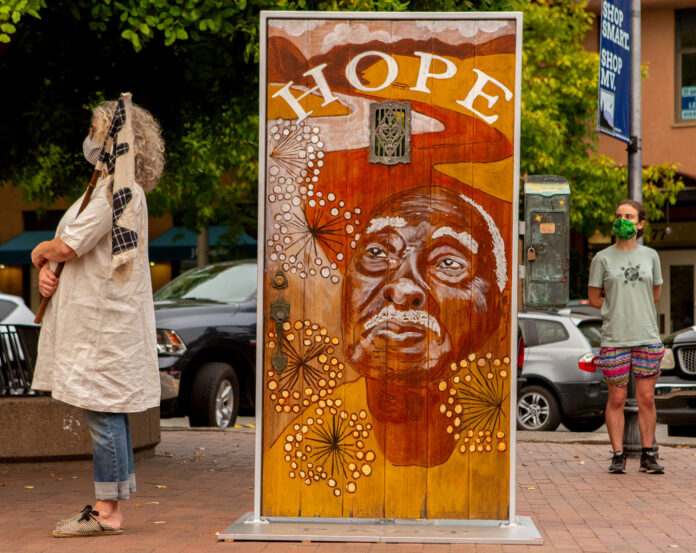
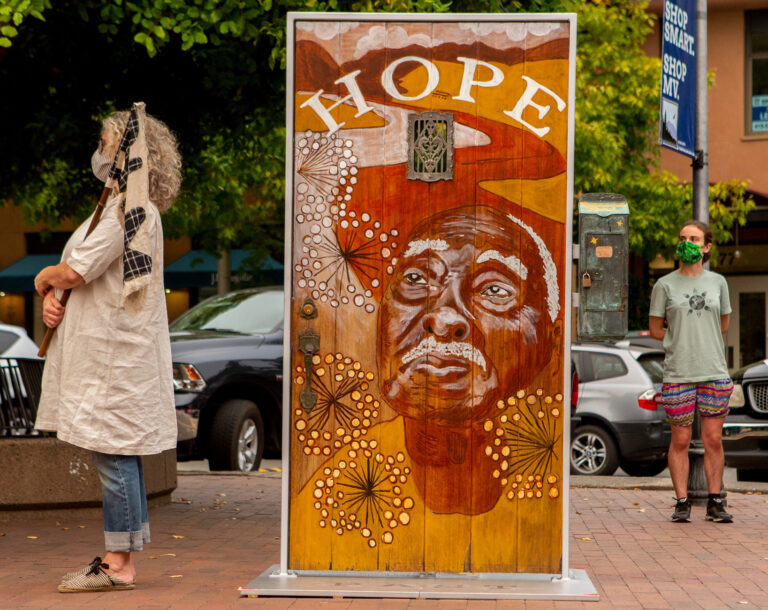
Titled “Perspectives: Past, Present, Future,” the installation seemed like a simple community building project. Three freestanding doors appeared in the plaza and the public painted and wrote on them.

Yet, the project served as a timely and visually striking statement on systematic racism in the North Bay. After sitting in the Depot Plaza for four months, the art installation is finding a new home.

Created by the Introverts Collective, “Perspectives: Past, Present, Future” opens in the Project Space at Gallery Route One in Point Reyes Station on Feb. 20

The Introverts Collective designed “Perspectives” as an interactive way to highlight Black history and Black portraiture in Marin County.

The doors served as a metaphor to view systematic racism through the three perspectives of the past, the present, and the future. Each door features a simple sketch on the front painted by the community last Labor Day weekend. The back side of each door posed a question, and community members were invited to write their answers.

Over the course of the four-month installation, “Perspectives” created many powerful and productive conversations on race and racism. Now, the exhibition at Gallery Route One will tell the story of the project’s inception and creation. In addition, the exhibit will focus on the interpersonal processes of the Introverts Collective.

The four artists that make up the core of the Introverts Collective are founder Zoe Fry, who lives and works in Mill Valley; Naima S. Dean, co-chair of the Mill Valley Diversity, Equity and Inclusion Task Force; and Bay Area artists Winona Nadine Lewis and Sharon Virtue.

The Introverts Collective recently received a grant from the Rex Foundation to build new doors for Marin City. Beyond that, collective has plans for artistic doors throughout Marin County to continue creating dialog around racial justice.

Teatro / Moto

In addition to the “Perspectives” installation, Gallery Route One is hosting a new exhibition, “Teatro / Moto: Photographs on Paper and Silk,” from member artist and local photographer Charles Anselmo that features images from his trips to Havana, Cuba.

Anselmo has produced bodies of work based upon industrial complexes before. He has documented post-Katrina New Orleans and the derelict military bases of Marin County.

Over the course of twenty years and more than seventy visits to Cuba, Anselmo has captured Havana’s unique historical-architectural heritage. One spot in particular intrigued Anselmo; an abandoned hundred-year old theater.

“Nestled behind the extraordinary Baroque beauty of Havana’s restored Gran Teatro is the smaller, roofless Teatro Campoamor,” Anselmo writes in his artist statement. “For fifteen years I had walked by this remarkable relic, unable to enter due to its barricades and boarded doors. One oppressively humid day in July, 2017, I met the caretaker who had been living in the theater for twenty-four years in what had been a coat-check room. I was overwhelmed by the beauty of the inner edifice, so magically overtaken by lichen and vines, its wooden stage turned into soil by many seasons of rain. Fifteen-foot tropical palms had been gifted to this interior from seeds driven by the hurricane winds of previous years, the gold gilt peeling from sensuously ornate plasterwork.”

“Teatro / Moto” displays in Gallery Route One alongside the “Perspectives” installation and an exhibit by sculptor Joe Fox Feb. 20 through March 28. A virtual opening reception takes place Sunday, Feb. 21, at 3pm at Galleryrouteone.org.

Roughly 11 Percent of Marin Residents Have Received First Covid-19 Vaccine Dose

By Eli Walsh, Bay City News Service

More than 29,000 Marin County residents have now received at least one dose of coronavirus vaccine, representing roughly 11 percent of the county’s population, the county’s public health officer said Tuesday.

According to county data, 34,327 vaccine doses have been administered countywide, Dr. Matt Willis told the county’s Board of Supervisors Tuesday.

That figure includes 5,180 county residents who have received their second dose, which is required for the two vaccines on the market to take effect. 

“It’s not happening as quickly as we want,” Willis said of the 11.2 percent of residents who have received at least one vaccine dose. “But it’s important to recognize that that’s a significant fraction of our population.”

Marin County Public Health has administered vaccine doses to roughly 43 percent of the 29,213 county residents that have received at least one dose, according to Willis. 

MarinHealth Medical Center, Kaiser Permanente and Sutter Health have administered doses to another 21 percent of those who have received at least one dose, while 28 percent of those residents were vaccinated outside of the county. 

CVS and Walgreens have administered doses to the remaining 8 percent of vaccinated residents through a federal partnership focusing on nursing home and long-term care facility residents. 

As with much of the state and much of the country as a whole, Willis said the main reason more Marin County residents haven’t received a vaccine yet comes down to a lack of supply. 

“We are at the ready,” he said. “We have far more operational infrastructure and workers and capacity to vaccinate than we actually haver doses available.”

On Monday, the county announced that employees from multiple departments and public agencies would be reassigned to help hasten the administration of vaccine doses.

Staff members from Marin County Parks and Marin County Fire have already been dispatched to assist at vaccination centers around Marin County.

In addition, the county’s Department of Human Resources is recruiting more county employees for temporary reassignment as disaster service workers.

“We are all dependent on (vaccine) allocations that come to us through the state,” Willis said. “We consistently request extra doses, week after week, because we are moving through so quickly the doses that we receive.”

Willis also noted that Marin County could be one of the Bay Area’s first to move into a less-restrictive tier of the state’s four-tiered reopening system given the county’s relatively low case rate. 

Marin County would need to record fewer than seven new cases per day per 100,000 residents and maintain a test positivity rate below 8 percent to move out of the most-restrictive purple tier.

As of Tuesday, the county recorded 14.7 new cases per 100,000 residents and a seven-day average positivity rate of 3.4 percent.

“It’s something that could happen as early as mid-February if our numbers continue to improve,” Willis said.

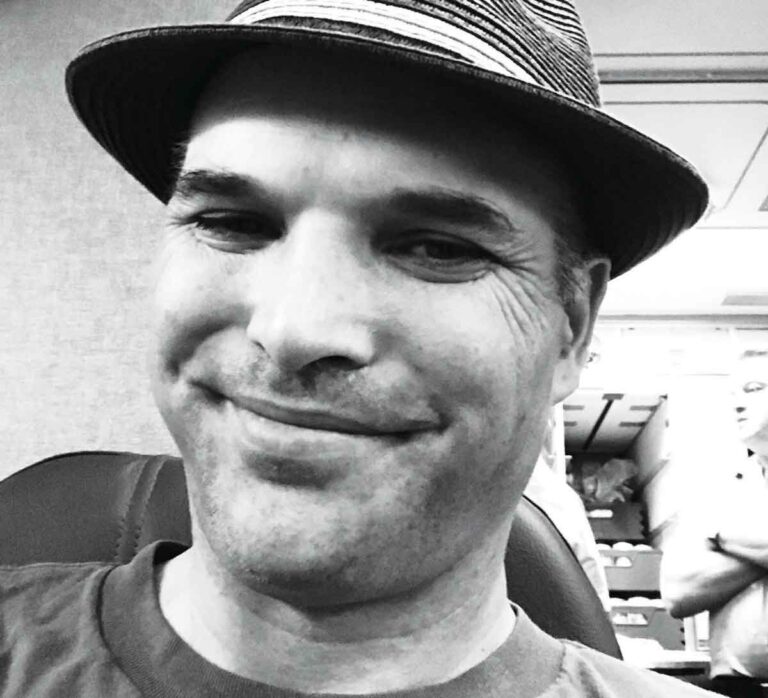
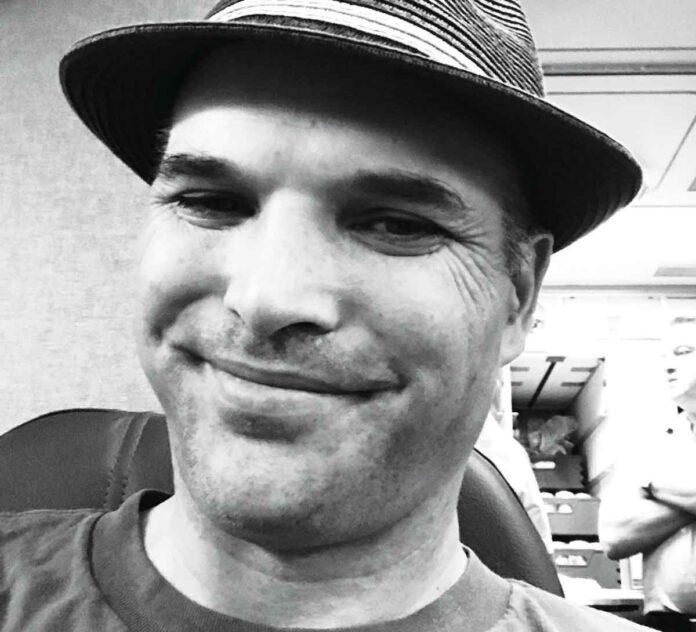
Author Matt Taibbi and ‘The Business Secrets of Drug Dealing’

Matt Taibbi first made a name for himself when he filed stories from Russia. Later, he published provocative pieces in Rolling Stone, including an obituary for Andrew Breitbart titled, “Death of a Douche.”

Taibbi’s new book, The Business Secrets of Drug Dealing (OR Books, $20) is described as “an almost true account.” Taibbi blurs the line between fact and fiction. His co-author, an African-American wheeler-dealer, is described on the cover as “Anonymous” and inside as “Huey.”

Together they pepper their narrative with slang like “locks,” for dreadlocks and “tats,” for tattoos. The book offers rules for wanna-be traffickers, like “never let business partners know where you stay” and “always carry an Allen wrench.”

Some are silly. Others are unrealistic. Ever since I began to write the “Rolling Papers” column for The Bohemian and The Pacific Sun, I’ve never met a dealer—I’ve met dozens—who abides by the rules laid down in The Business Secrets of Drug Dealing.

Taibbi’s and Huey’s book doesn’t succeed as a how-to-guide to make money and stay out of jail peddling weed from Santa Rosa to New York and beyond.

But it is appealing as a gonzo journalist’s account of life in these United States during the turbulent Trump years. Huey has strong opinions on a variety of subjects, including sex and drugs. He also offers provocative comments on the big historical picture.

“This country was founded on capitalism, and Black people were the first commodity sold on Wall Street,” he explains. “Now we’ll be the first to be stripped of a business that we built, and in exchange some of us will get housing in Wall Street–backed private prisons.”

American historians would probably balk at the notion that the country was founded on capitalism, and that Black people were the first commodity to be bought and sold on Wall Street. The U.S. was founded on slavery. Beaver pelts were the first big commodity.

Some of the intel in The Business Secrets could mislead, as when the authors insist that “Cops need a reason to open that trunk, and if you play it right, you never give that to them.” 

Unfortunately, many cops don’t need a reason to open a trunk. Drivers with dreadlocks have been stopped by cops on the 101 at the “sting point” near Cloverdale. Locks can provide a probable cause to stop, frisk, search, seize and arrest. When I asked a lawyer who represented a dealer with locks why the dealer didn’t cut them, I was told, “He’s a Rastafarian and they’re part of his religion.”

Despite the swagger and cockiness, Business Secrets is a welcome, lyrical defense of “coaxing a beautiful thing out of the ground and bringing it to your door.”

Jonah Raskin is the author of “Marijuanaland: Dispatches from an American War.”

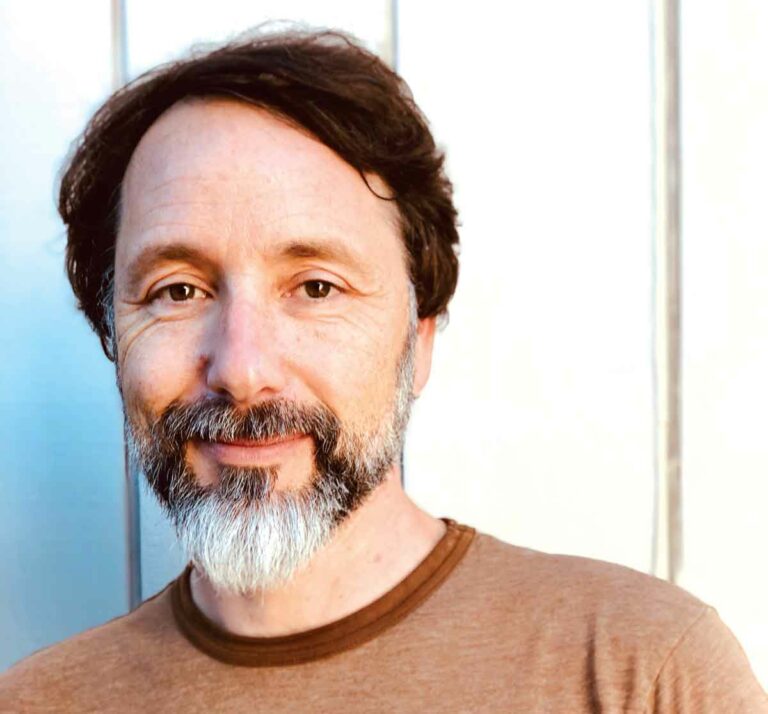
Heart and ‘Soul’: Marcus Shelby’s journeys through Healdsburg, Pixar and beyond

Near the start of Disney/Pixar’s latest animated film Soul, the character Ray Gardner encourages his son to appreciate live music: “Black improvisational music,” he says. “It’s one of our great contributions to American culture. At least give it a chance, Joey!”

“This is where it all started! This is the moment where I fell in love with jazz!” says actor Jamie Foxx, playing the now-grown-up Joe Gardner.

It’s a small moment in a big film. Soul was one of the two most-watched motion pictures across streaming platforms in December 2020, and its box office earnings hover around $7.5 million. Six seconds, the time it takes Ray Gardner to change his son’s life, isn’t long. But Nielsen ratings are calculated in time spent, and Soul tops the most-watched list over the 2020 Christmas weekend: Americans watched Soul for over 1.66 billion minutes.

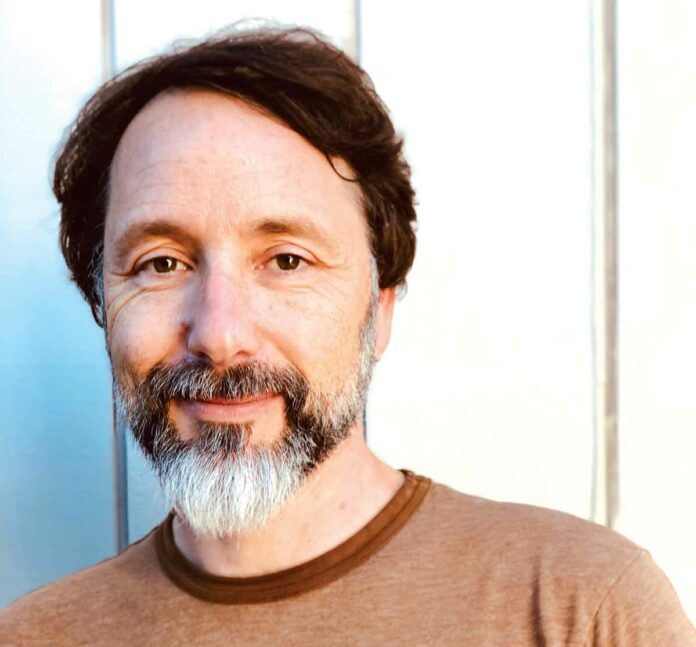
The voice of Ray Gardner is Bay Area musician, bandleader, composer and educator Marcus Shelby, who is also the artistic director of the Healdsburg Jazz Festival. For Shelby, the three lines are a cool moment in a big life.

On a cloudy day in early 2021, Shelby has just wrapped up the Festival’s annual Dr. Martin Luther King Jr. Day performances. In the event video, he appears a calm, commanding presence, watchful from behind a flawlessly polished, mahogany-hued standup bass. Over the phone, he says he got the role the old-fashioned way: a Pixar casting director called him. Having done a little voice acting in Los Angeles in the past, he was ready, if a bit baffled. Why him?

“There’s 15,000 voice actors between here and New York, right?” he asks.

But off he went, to Emeryville.

“I was not improvising,” Shelby says, laughing, but also serious. “I went in there thinking about my colleagues, about Margo and Rhodessa [Hall and Jones, who also appear in Soul] and Intersection for the Arts and Campo Santo and Sean San Jose,” he says, ticking off Bay Area giants of independent theater.

The character’s lines resonated with Shelby immediately. “This is a natural way I’m always talking to kids anyway,” he says. “And I refuse to just call myself a jazz musician, or even contain music that way anymore. I think the great Black musicians in our music, that created this—they never adhered to this nomenclature. Charles Mingus, Nina Simone, even Duke Ellington—did they have to?” he asks.

As for his own kids, “Have I tried to convince them to like jazz? No, no. I mean, yeah.” Shelby’s more interested in what he learns from his two daughters, 11 and 18, than in what he’s taught them. The eldest studies “something they call” World Jazz at UCLA, he says, and she loves hip-hop and pop, and makes him playlists. “My 11-year-old is part of the TikTok nation,” he says. She likes Billie Eilish, ABBA and the Hamilton soundtrack. He values musical conversation with both of them, profoundly.

“If you work with kids, you want to be able to understand how they’re expressing themselves,” he says. “And perhaps how to meet them there. Music carries so much information and communication, I don’t think it hurts to get to know it a little better.” He laughs. “Not saying you have to like it.”

His youngest can’t stop watching Soul. “I think she’s seen it five times,” Shelby says. “I’ve only seen it once!” 

Skylaer Palacios is an expert on Healdsburg. She grew up there, lives there, won the Miss Sonoma County pageant and is the first Latinx and the first Black person to serve as City Councilmember. She has stories. Among them is a vivid memory of the Healdsburg Jazz Festival’s programming from her first year in junior high school.

“They came to the Raven theater, and they did a show, and some kids got to hold instruments or play instruments onstage,” she says by phone.

“I remember, to this day, someone talking about rhythm & blues. And they told us what the blues was, and how most music comes from that form of blues. And that’s stayed with me,” she says. Her voice sounds every bit as young as her 25 years—sweet, yet steady and confident. 

“On a cultural level, I also connected with it, being the only ambiguous, and usually, the only Black student in my grade. There was a certain sense of ‘This is a part of me,’” she says. “I was probably 12 years old.” The music history she learned through the Healdsburg Jazz Festival stayed relevant through college, she says, and remains important to her as a musician herself.

As Councilmember, Palacios has worked with Shelby (she appeared in the Healdsberg Jazz Festival’s MLK Jr. Day show) and recounted her memory to him. His response? “That was probably me up there!” Palacios was shocked, but the now-artistic director developed many of the festival’s programs, and has been part of them for years—standing on the Raven theater stage, metaphorically encouraging young listeners to “At least give it a chance.” 

Healdsburg Mayor Evelyn Mitchell headed home from Santa Rosa one afternoon in late January, and took a small detour.

“I don’t have to go through downtown to get to my house, but I drove through downtown on purpose to see what it looked like,” she says over the phone, describing the pandemic-induced emptiness of the town’s historic plaza. The tables in the rain, the closed umbrellas.

Not one to be kept down by a mere virus, she begins speaking about the Jazz Festival cheerfully and in the present tense. “It’s a great opportunity for all of us to hear music, but also to get educated on jazz, and the African American community’s role in jazz, and the history of it.”

Like all mayors, she’s also the Mayor of Boostertown.

“Plus, it brings a lot of people to our community; we’re a tourist-based town,” she says. “It’s a vibrant, exciting time when it’s going on!” She’s aware, as all Healdsburgers seem to be, that the festival’s previous artistic director, Jessica Felix, was greatly beloved.

“Jessica’s shoes are big shoes to fill,” she says. “But I think she’s really laid such a great foundation for [Shelby] to pick it up and create a little more innovation—he’s integrating some poetry and whatnot; it’s a nice, natural progression. He’s doing great!” 

“It’s interesting: My relationship with Healdsburg goes back to the ’80s,” Shelby says. He talks about his Sacramento-area high school years; they were lean times. “We never went anywhere. Never. Our parents didn’t have money to travel.” The Highland High basketball team, however, played tournaments for two years running, tournaments held “in, of all places, Healdsburg.”

“There would be families in Healdsburg that would volunteer to put up this basically all-Black basketball team to be part of this tournament,” he says. “So I always had this amazing, welcoming memory of this place. We looked forward to this trip, when we got to go to Healdsburg!”

He doesn’t discount or ignore the racial inequities or the problems the town has had, notoriously, recently.

“I haven’t had any problems or issues or incidences,” he says. “Not that they don’t exist.” Characteristically, he’s interested in spinning the issue into ways he can serve the community through art, and launches into a detailed set of plans for the future of the Healdsburg Jazz Festival. They will continue with the innovations the mayor mentioned, it seems, and with a focus on the local Latinx community and its inherent musical possibilities. How can the festival be an artistic voice, and an extension of the often-overlooked roughly 30 percent of the town? He lists cumbia, Afro-Puerto Rican forms, Afro-Brazilian music, mariachi and more.

“In a community that diverse and large, in Healdsburg, it can play out in so many different ways,” he says. “With just a little consciousness in how we communicate—by translating our information into Spanish, and just being real intentional in our programming. And we’ve already started that process.”

He goes on outlining plans: artists-in-residence, the all-yearification of Black History Month and his own intention to become ever more part of the fabric of the community. It’s as if he’s speaking to the town that has welcomed him, challenging it to see things in a new way, to follow his lead and to appreciate new things about itself and others. “At least give it a chance, Joey!”

Ultimately, Black improvisational music has found a warm welcome in Healdsburg. Thanks to Marcus Shelby and to a humble, earthy Northern California town, art continues to be given more than just a chance.

Insta-Poet: Michael Giotis’ Instagram poetry series

Back in the day, poetry readings were intimate affairs crammed into noisy cafes replete with baristas banging portafilters like judges’ gavels. Covid, however, has inspired online adaptation in the art, which Petaluma poet Michael Giotis has embraced in his ongoing, live Instagram poetry series Found Poetry. I had questions, he had answers. Giotis, whose work is published by the same press collective as mine, answered below.

There seems to be a Renaissance in poetry both online and elsewhere (Amanda Gorman comes to mind). To what do you attribute this spike in interest?

MG: I think people are sick of only consuming. Poetry is literally creation; the Greek word for both poetry and creation is the same. Now, creatives have these platforms where anyone can find an audience and there is nothing more powerful than putting your unique creation into the world and having people respond. If you need to heal, write a poem. Need to imagine a better world, write a poem, the way only you can. When you have this way of thinking, following others’ work is inspiring in a way that binge watching just isn’t.

What was the inspiration for “Found Poetry” and what have been the results?

MG: We used to gather in my living room and read the great poets. That’s how I first got into the performance side of reading poetry. Found Poetry is a return to that, a chance to perform my favorite poets. I’ve had people as varied as Megan Malone, the novelist based here in Petaluma, and mOody bLaCk (@iammoodyblack), a rapper and poetry educator in South Carolina.

Are Instagram and other online outlets just a Covid fad or do you think they will continue to be a platform for poetry and its performance?

MG: These people could be watching TV to pass Covid, but they are choosing to listen to poets and other artists every night. Now and again, I throw some money onto a poet’s Cash App just like I’d pay for a movie or a book. If poets are getting paid for the content they are creating, it can keep going.

How has the medium affected your own message as a performance poet?

MG: I appreciate hearing unmediated voices from different communities. A lot of my tribemates are Black folks across the South. Now we learn about each other. My IG friend Kendra Yates (@myknichelle) from the East Coast just performed on Rivertown Poets’ Zoom. It’s made my message more community focused, perhaps more compassionate.

“Found Poetry” kicks off at 8pm, Feb. 11, with Bay Area poet Hella Famous. Giotis is also hosting a Zoom panel on Psychedelics, Surrealism and Spirituality in Poetry. Follow @originalgiotis on Instagram for details.

Controversy Surrounds Growing Sausalito Homeless Encampment

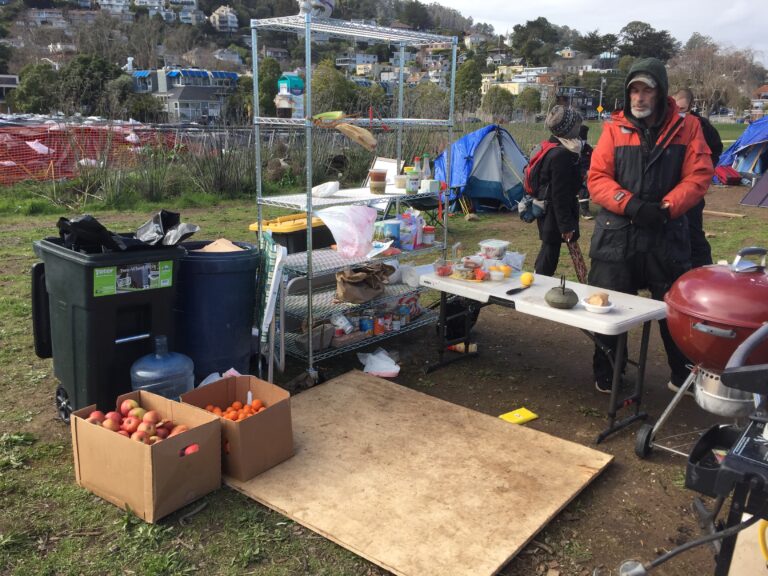
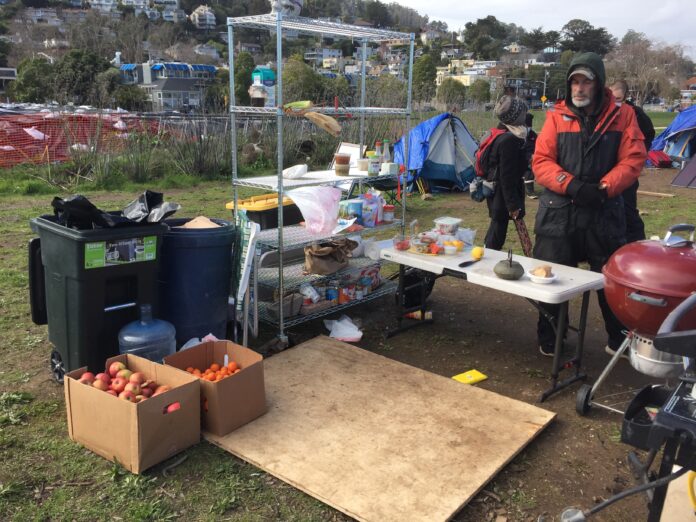
Sausalito residents have a new view and many NIMBYs aren’t happy about it. What started out in late December as one unhoused man living in a tent on the waterfront next to Dunphy Park has turned into an entire encampment of homeless folks.

About 13 people inhabit the growing tent city. Some relocated from encampments in San Rafael and Novato. Others, who were forced off the open waters of Richardson Bay, previously lived in a close-knit community of mariners often called anchor-outs.

Most camp residents say they would prefer permanent housing, whether on land or water, yet they don’t have the financial means to pay for it. Apparently, neither does Marin County.

For those experiencing homelessness, there’s a long waiting list for housing, including temporary shelter, according to the Marin County Department of Health and Human Services. Veterans and the most vulnerable are given priority.

Several former anchor-outs say they became homeless when their operable boats were seized and destroyed by the Richardson’s Bay Regional Authority (RBRA), a local government agency serving Belvedere, Mill Valley, Tiburon and unincorporated Southern Marin. Sausalito is a separate entity from the RBRA, but both follow the directives of the San Francisco Bay Conservation and Development Commission (BCDC), a state agency regulating development in and around the San Francisco Bay.

The BCDC wants the local entities to enforce the applicable 72-hour anchorage law, with the goal of discouraging mariners from dropping anchor long-term in Richardson Bay.

Currently, the RBRA has 103 boats in its territory, down from 135 in November, and the BCDC is pressuring it to whittle down the number as quickly as possible.

Curtis Havel, RBRA harbormaster, is responsible for enforcing the 72-hour law and has the authority to seize boats in violation. Derelict vessels may be destroyed. That’s the reason Havel often patrols the anchorage with a county social worker, who works to help find housing, which is virtually non-existent right now, for the anchor-outs.

The BCDC’s marching orders have created an extremely tense relationship between Havel and the mariners. They follow each other on social media. Havel seeks to monitor their movements and they try to stay one step ahead of him.

During the pandemic lockdown last year, the RBRA suspended enforcement, except for unoccupied boats. Though the pandemic is still raging, that policy has changed somewhat.

“There’s no official moratorium,” Havel said. “But we’re still only taking marine debris.”

Jeremy “Jack” Casimir, 45, disputes Havel’s claim. He says he moved into camp when the RBRA seized his operable sailboat last week. On Jan. 25, Casimir left his vessel on the anchorage to get provisions in advance of a storm and Havel towed it to the Army Corps of Engineers in Sausalito before the mariner returned. The 1976 Newport 32 sailboat will soon be crushed, Havel confirmed.

“It was in used condition and had some miles,” Casimir said. “But the engine worked and it was seaworthy.”

There’s a difference between “floating” and “seaworthy,” Havel says. Casimir’s boat was one of a dozen that went adrift during the windstorm on Jan. 19.

Havel decided to confiscate the vessel on Jan. 24, when he saw a social media post from another anchor-out saying Casimir was in trouble and needed to get off his boat due to a vertical crack in it. In addition, Havel contradicted Casimir, saying the engine wasn’t functional, although he says he never attempted to start it.

On Monday, I went to see the boat, which is on its side at the Army Corps of Engineers. Havel pointed out areas that appeared worn, including rusted rigging and frayed ropes. He also showed me a photo, taken before the boat was hoisted out of the water by a forklift, of the crack on the portside of the boat.

“I couldn’t let the boat sink or hurt or kill someone out in the anchorage,” Havel said. “Up to that point, I had not removed any occupied vessels. I knew it was occupied, but there was a big storm coming.”

Casimir is furious. He says his operable boat is now gone and so are his personal belongings.

“Everything was destroyed,” he said. “I only have the clothes on my back. Havel is a terrorist.”

Havel called the boat “marine debris.”

Casimir called it home. And he much preferred it over the tent he’s now occupying.

The tent city poses challenges for the City of Sausalito. While some Sausalito residents are sympathetic to the plight of the unhoused, many want the city to oust the campers. A thread about the encampment on the social media site Nextdoor has more than 340 comments.

“I don’t live here and pay outrageous property taxes to have a tent city a couple blocks away,” a Sausalito resident said on Nextdoor.

Sausalito is long on rhetoric and short on specifics regarding a plan for the encampment.

“Our priority remains finding alternate and appropriate shelter through Marin County Health and Human Services for the individuals who are homeless,” Sausalito Mayor Jill Hoffman said in an email. “Sausalito’s commitment is to the health, safety and welfare of everyone in our community.  An encampment is not a long-term solution.”

I recommend Sausalito check in with Novato, which has been working with Marin County for about 10 months on a remedy for their homeless encampment in Lee Gerner Park. So far, no permanent solution has been found. About 20 people live in the park, where Novato has supplied bathroom and handwashing facilities.

The Sausalito encampment lacks bathrooms, except for the nearby Dunphy Park restrooms that are only open from sunrise to sunset. A video posted on Facebook by a camper suggests human waste is dumped into the Bay after hours. Of course. Where else could they be expected to put it?

The current setup fails to follow the Centers for Disease Control and Prevention guidance for homeless encampments during Covid-19, which instructs local governments to provide nearby restrooms and ensure they are functional, stocked and remain open 24 hours per day.

Sausalito should allow the people in the tent city to live in a dignified manner, especially since they’re probably there for the long haul. In Martin v. Boise, the United States Court of Appeals for the 9th Circuit affirmed that people cannot be punished for sleeping outside on public property when a city is unable to offer them a suitable alternative shelter option.

In the meantime, Havel says Marin County recently received funding for two new social workers in Southern Marin. Now, if the county could only give them the main resource necessary to do their jobs: available housing.

Marin Artist Exposes Bias with Collage Project

Marin County artist Patricia Leeds worked in the commercial photography world for over 25 years, but even she was taken aback by what she discovered recently in a book called Mid-Century Ads.

“These were ads from the 1950s and ’60s,” Leeds says. “I found the ads at first to be pretty funny, the doctors recommending cigarettes and all that stuff. On closer look, I started realizing the impact and the influences of these ads on our society and how it continues to influence.”

Leeds found herself inspired to deconstruct those advertisements in a recently completed series of works entitled “Just for the Record,” which pulls outdated messages from our past into a conversation that touches on modern themes.

Using advertising copy from the past and collaging it with other historical remnants and text from the time, the resulting series calls out the influence of big business inherent in advertising.

This bias regularly celebrated whiteness and the patriarchy, and advertising at the time almost solely targeted white men, who advertisers assumed were the people who had the money and the power to be the consumer.

Even the ads featuring women or women’s products were geared to appeal to men, with sexist language about housework and a narrative that coerced women into pleasing their husband above all else.

“I noticed in these ads a blatant misogyny, racism, xenophobia and disregard for our planet,” Leeds says. “Basically, I took out the subtext and made it the main text.”

To a degree, the works included in “Just for the Record” are whimsical, with images and words juxtaposed in mocking sentiments on the paper. Yet, the legacy of these ads is almost entirely negative.

“It’s important to recognize the past and look at the impact that advertising has had in selling us the values of this country,” Leeds says.

“Just for the Record” was meant to make its gallery debut last year, but the pandemic kept it off the walls. Currently, the art can be seen online courtesy of Seager Gray Gallery as well as on Leeds’ website and Instagram page.

Born in Oakland and raised in Los Angeles, Leeds has been making art since high school. After relocating back to San Francisco to attend college at San Francisco State, she remained in the Bay Area and moved to Marin County more than 30 years ago.

“It’s a beautiful place, I think everybody says that, but I love the beauty here,” Leeds says.

For the past seven years, Leeds has worked out of a studio at MarinMOCA in Novato, and she is on the exhibition team there. During the last several months, Leeds says she has used the lockdown to experiment on a new series of works that focus on climate change and declining bird populations.

“I’ve been very political all my life,” Leeds says. “I would say a lot of my work has hidden messages in it. In the abstract work, which is primarily what I do, hidden under the layers of paint are words that are describing the moment for me.”

“Just For the Record” is viewable online at Seagergray.com, patricialeedsart.com and Instagram.com/patricialeedsart.

Open Mic: Michael Krasny Signs Off

By E. G. Singer

It is a rarity these days, to find someone who has devoted decades to several professions concurrently. Radio host, college professor, author and public speaker Michael Krasny (who is retiring as host of Forum on KQED Public Radio) has been blessed—and has blessed us—with his genuine curiosity to explore and educate the general public through his interviews and conversations with program guests.

His far-reaching knowledge on many subjects and insightful questions have encouraged his listeners over the years to quietly pay attention, and in the process, become better informed. It has been one of his defining contributions to us.

We have been privileged to start our mornings listening to a marvelous variety of topics discussed. To say he has developed a large following would be an understatement—he has, for lack of a better term, become an institution or radio personality with Forum (characterizations he would humbly disavow, I’m sure!). At the very least, he has provided a forum where ideas and views can be exchanged.

Being a boomer, television was the medium I grew up with, but radio was always, and still is, a presence in my life. And I realized that the tone and tenor of a voice could draw in my attention. Michael’s voice was steady—never shrill or angry or mocking; his demeanor, respectful and calm. He created a safe and sane environment for dialogue with his guests, and always invited his listeners to participate. The discussions were always civil and erudite (No small accomplishment these days!).

The San Francisco Bay Area and its outer environs will be losing a voice that has brought incalculable pleasure to the many listeners who chose to tune in these many years.

Michael’s personal vision, along with his staff, have provided an educational platform that has encompassed the political, social, cultural and artistic worlds, we live in—and tried to make sense of it all.

Our mornings will not be the same without you! You will be missed.

Thank you. 

E. G. Singer lives in Santa Rosa. Michael Krasny’s final broadcast as host of KQED’s “Forum” is Friday, Feb. 12, at 9am. Tune in at KQED Public Radio 88.5 FM or stream live at kqed.org.
To have your topical essay of 350 words considered for publication, write to us at op*****@********un.com.

Look for Love in the North Bay with Virtual and Distanced Treats

For a holiday that celebrates togetherness, Valentine's Day in the pandemic is going to be a socially distant affair for many in the North Bay. Luckily, several local venues and organizations are making due with virtual offerings and to-go goodies. Here's a few place to look for love in the North Bay this week. Events While the Charles M. Schulz Museum...

Supervisors to Consider Barring Rent Increases in Several Neighborhoods

Marin Civic Center California
The Marin County Board of Supervisors will consider adopting an ordinance Tuesday that would bar rent increases for the rest of the year.  The ban would cover parts of the county hit hardest by the economic impact of the coronavirus pandemic, according to county officials. Proposed by the Community Development Agency, the ordinance would prevent residential rent increases through Dec. 31,...

Recent Mill Valley Art Installation Moves to Gallery Route One

Last fall, visitors to Depot Plaza in downtown Mill Valley were greeted with an inquisitive art installation. Titled "Perspectives: Past, Present, Future," the installation seemed like a simple community building project. Three freestanding doors appeared in the plaza and the public painted and wrote on them. Yet, the project served as a timely and visually striking statement on systematic...

Roughly 11 Percent of Marin Residents Have Received First Covid-19 Vaccine Dose

Steve Fisch Stanford Medicine
Over 34,000 vaccine doses have been administered countywide, Dr. Matt Willis told the county's Board of Supervisors Tuesday.

Author Matt Taibbi and ‘The Business Secrets of Drug Dealing’

Matt Taibbi
Matt Taibbi first made a name for himself when he filed stories from Russia. Later, he published provocative pieces in Rolling Stone, including an obituary for Andrew Breitbart titled, “Death of a Douche.” Taibbi’s new book, The Business Secrets of Drug Dealing (OR Books, $20) is described as “an almost true account.” Taibbi blurs the line between fact and fiction....

Heart and ‘Soul’: Marcus Shelby’s journeys through Healdsburg, Pixar and beyond

Marcus Shelby
Near the start of Disney/Pixar’s latest animated film Soul, the character Ray Gardner encourages his son to appreciate live music: “Black improvisational music,” he says. “It’s one of our great contributions to American culture. At least give it a chance, Joey!” “This is where it all started! This is the moment where I fell in love with jazz!” says actor...

Insta-Poet: Michael Giotis’ Instagram poetry series

instagram poetry
Back in the day, poetry readings were intimate affairs crammed into noisy cafes replete with baristas banging portafilters like judges’ gavels. Covid, however, has inspired online adaptation in the art, which Petaluma poet Michael Giotis has embraced in his ongoing, live Instagram poetry series Found Poetry. I had questions, he had answers. Giotis, whose work is published by the...

Controversy Surrounds Growing Sausalito Homeless Encampment

Sausolito California Encampment
Sausalito residents have a new view and many NIMBYs aren’t happy about it. What started out in late December as one unhoused man living in a tent on the waterfront next to Dunphy Park has turned into an entire encampment of homeless folks. About 13 people inhabit the growing tent city. Some relocated from encampments in San Rafael and Novato....

Marin Artist Exposes Bias with Collage Project

Marin County artist Patricia Leeds worked in the commercial photography world for over 25 years, but even she was taken aback by what she discovered recently in a book called Mid-Century Ads. “These were ads from the 1950s and ’60s,” Leeds says. “I found the ads at first to be pretty funny, the doctors recommending cigarettes and all that stuff....

Open Mic: Michael Krasny Signs Off

By E. G. Singer It is a rarity these days, to find someone who has devoted decades to several professions concurrently. Radio host, college professor, author and public speaker Michael Krasny (who is retiring as host of Forum on KQED Public Radio) has been blessed—and has blessed us—with his genuine curiosity to explore and educate the general public through his...
3,002FansLike
3,850FollowersFollow