There’s a certain kind of optimism required to make a documentary right now—a belief that reality is still worth documenting, even as it’s increasingly up for debate.
That spirit animates DocLands Documentary Film Festival, the California Film Institute’s annual nonfiction showcase in Marin, which returns in 2026 with a lineup that leans into resilience, revelation and the radical act of paying attention.
“As I look over this year’s incredible lineup… the one word that continually springs to mind is resilience,” writes executive director Mark Fishkin in the festival guide. It’s a sentiment that lands with particular weight in a media landscape where truth is both commodity and casualty. The films here don’t just observe the world—they argue for it.
DocLands has always positioned itself as more than a screening series. It’s a gathering point for ideas, a place where filmmakers and audiences engage in that increasingly rare civic ritual: conversation. The festival’s three programming strands, Art of Impact, The Great Outdoors and Wonderlands, map neatly onto the current moment. One looks outward at global tensions and personal stakes, another toward the natural world (and our tenuous relationship with it), and the third offers something like relief: stories of joy, wonder and possibility, without which the rest would be unbearable.
This year’s opening night selection sets the tone with American Pachuco: The Legend of Luis Valdez, a portrait of playwright and director Luis Valdez, whose work—from Zoot Suit to La Bamba—helped define and elevate Chicano storytelling. Directed by David Alvarado and fresh off two Sundance Audience Awards, the film tracks Valdez’s boundary-breaking career against a backdrop of political resistance and industry skepticism. If resilience is the theme, Valdez is the embodiment—an artist who insisted on telling stories that weren’t being told and, in doing so, changed the narrative.
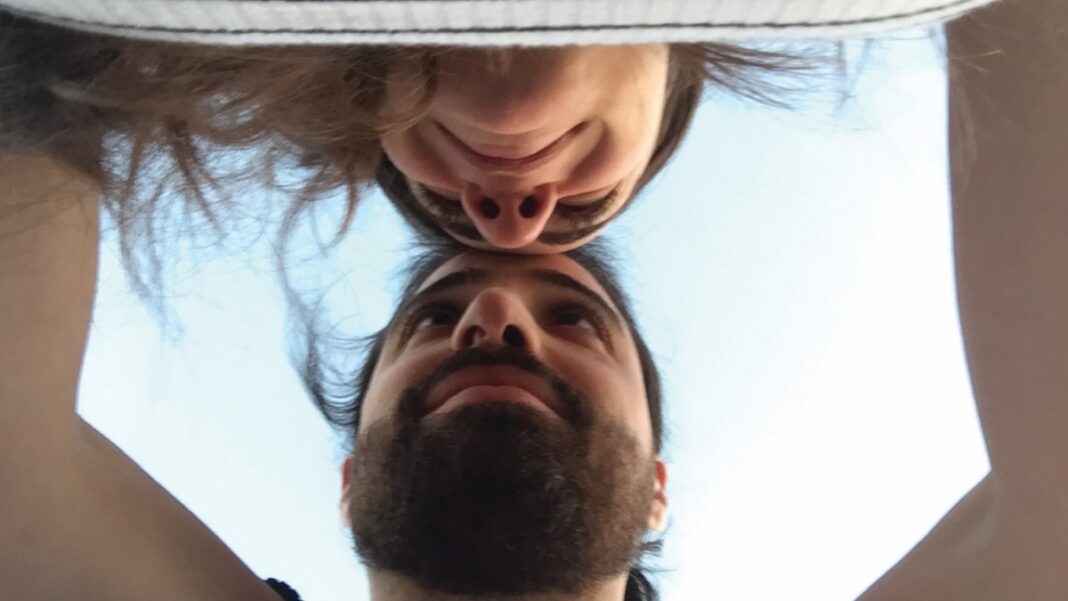
From there, the program fans out into stories that span continents and emotional registers. The world premiere of Birds of War offers a more intimate, long-view perspective: a love story between a London-based Lebanese journalist and a Syrian activist and cameraperson, told across 13 years of personal archives and unfolding alongside revolutions, war and exile.
Closing night, meanwhile, brings things back stateside—and into a groove—with Little Feat: The Documentary, a long-overdue look at one of rock’s most influential (and chronically underrated) bands.
Beyond the films, DocLands continues to invest in the ecosystem that makes them possible. The opening-night DocTalk, Supporting the Vision, pulls back the curtain on how nonfiction projects actually get made. Featuring filmmakers Luca Capponi, Thanh Tran and Alex J. Bledsoe, alongside representatives from the Berkeley Film Foundation and Bay Area Video Coalition, the session explores the mechanics—grants, fellowships, mentorships—that turn ideas into finished work. It’s less glamorous than a premiere, perhaps, but arguably more essential. As anyone who’s tried to fund a film knows, the real drama often happens off-screen.
That emphasis on process and community is part of what distinguishes DocLands. It’s not just about showcasing completed films; it’s about sustaining the conditions under which those films can exist. In a time when streamers chase true crime and spectacle, festivals like this quietly insist on something else: nuance, context and the slow burn of understanding.
Fishkin notes in the guide that these filmmakers remain “steadfast, unwavering in their core purpose to enlighten and educate.” That might sound lofty, but in practice it translates to something more grounded: people telling stories that matter, to audiences willing to watch.
The DocLands Documentary Film Festival runs April 30 to May 3 at the Smith Rafael Film Center, 1118 Fourth St., San Rafael. Complete schedule and tickets available at doclands.com.