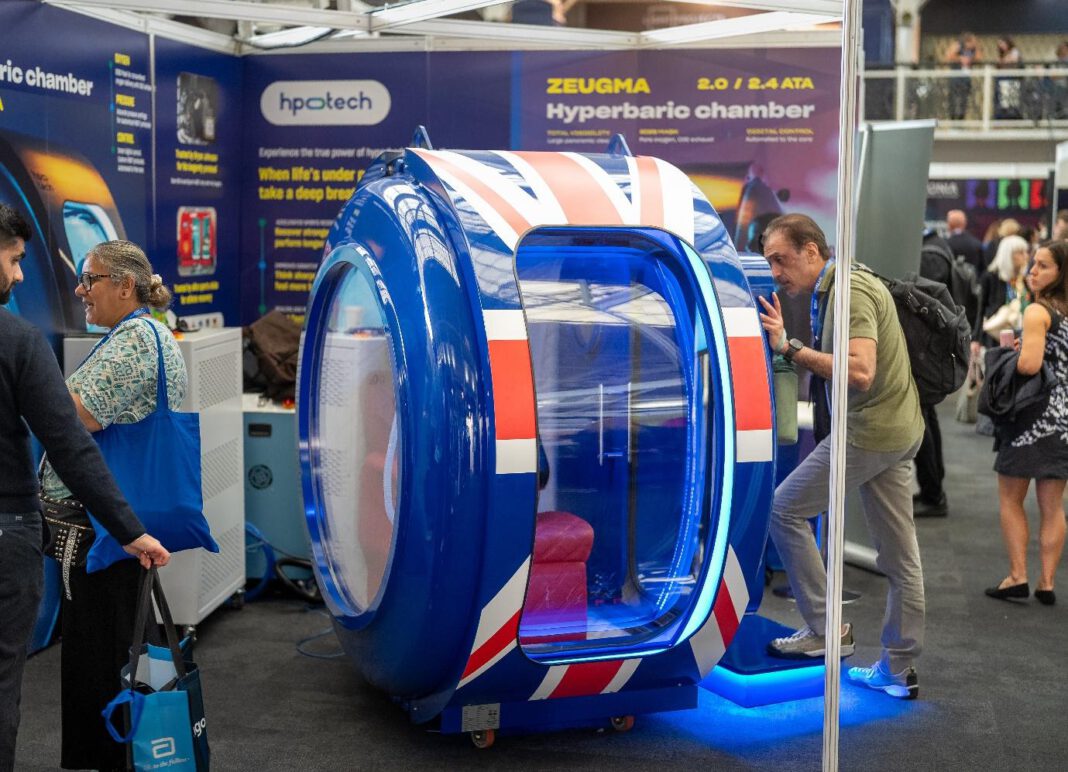
This article was contributed by HPO.TECH
There is a kind of rest that ordinary life rarely allows. We’re not talking about a good night’s sleep or a week of vacation somewhere warm, but something more deliberate, where the body is given exactly what it needs to repair itself and asked to do nothing else in return. Hyperbaric oxygen therapy, or HBOT, belongs to that category. For an hour or more, you sit inside a pressurized chamber, breathing pure oxygen, and your body instantly starts using it for many, many good things.
Here’s the science. At normal atmospheric pressure, the oxygen we breathe is carried almost entirely by red blood cells. Inside a hyperbaric chamber, where pressure is raised to 2.0 ATA or 2.4 ATA, oxygen dissolves directly into the blood plasma. This follows Henry’s Law: the higher the pressure, the more gas a liquid will hold. The result is that oxygen reaches tissues it would not ordinarily saturate, and the body has more of this most essential resource to use.
For decades this was used mainly as a clinical tool. Hyperbaric oxygen therapy has a long, well-documented record in medicine, used for wounds that resist healing and a defined list of conditions a doctor would recognize.
But lately, HBOT has spread to more than the hospital. Elite athletes now use hyperbaric sessions to recover faster between training loads and after injury. Wellness centers have introduced it as part of considered recovery programs. And a growing number of people who simply take their health seriously have adopted it into their routines, drawn by the sense of restoration that follows a session. In a culture that often feels exhausting, an hour spent doing nothing but breathing well can feel like a supreme indulgence.
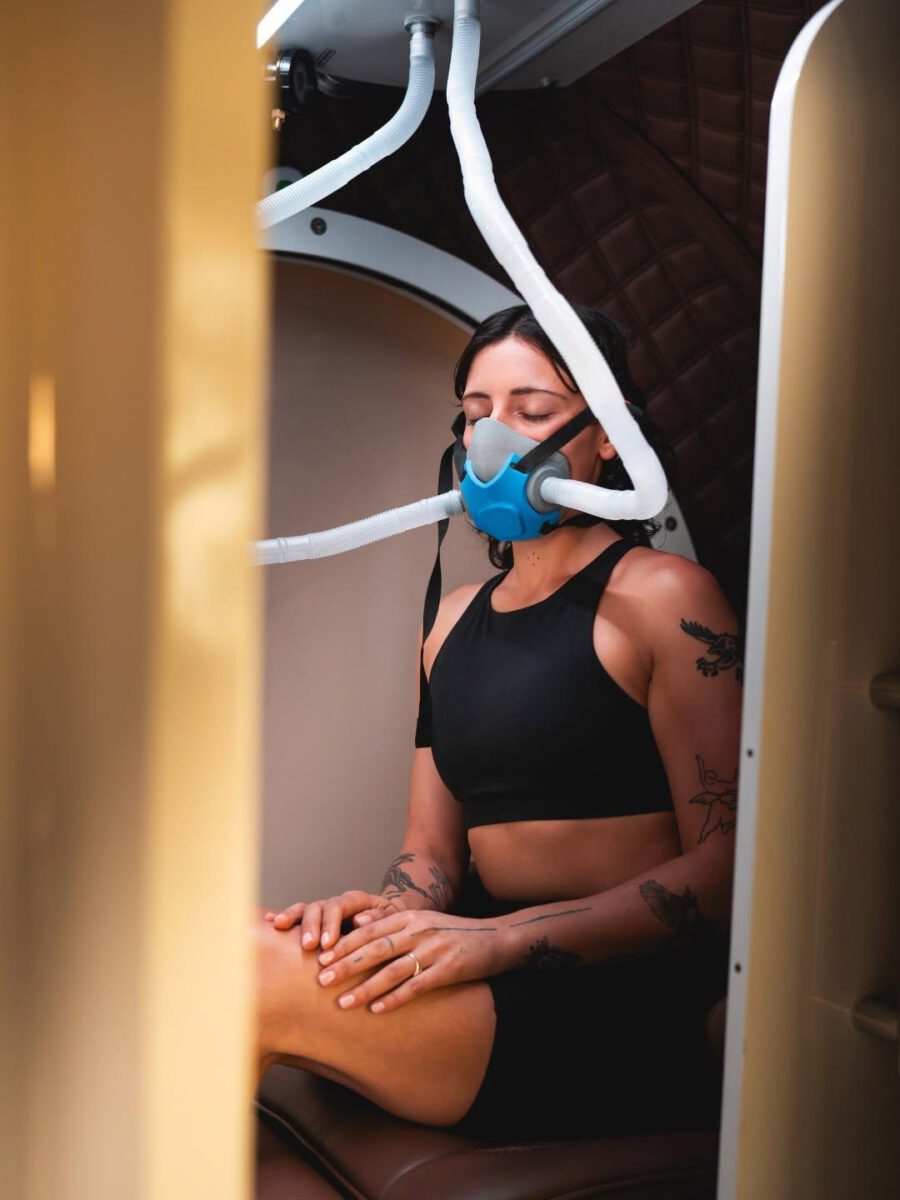
There is also a frontier worth mentioning. Hyperbaric oxygen has become a subject of serious longevity research, including work into how controlled oxygen exposure affects markers associated with cellular aging. A 2020 study published in the journal Aging reported measurable changes in older adults after a structured course of sessions. This is early science, and the protocols studied are specific and clinical, but the results feel promising. The same therapy quietly used in clinics, spas and wellness centers is now being examined for what it might tell us about longevity and living better.
If hyperbaric oxygen therapy is the substance, the chamber is the experience. And here the two are not separable, because how a treatment feels shapes whether you return to it.
This is where HPO.TECH enters the story. The Istanbul company designs and manufactures hyperbaric systems for clinics, wellness centers and private use, and it has built its reputation on a deceptively simple idea: that a chamber a person spends hours inside should not feel like a machine they are afraid to enter. This is why HPO.TECH’s hyperbaric chambers are spaces to be experienced and enjoyed.
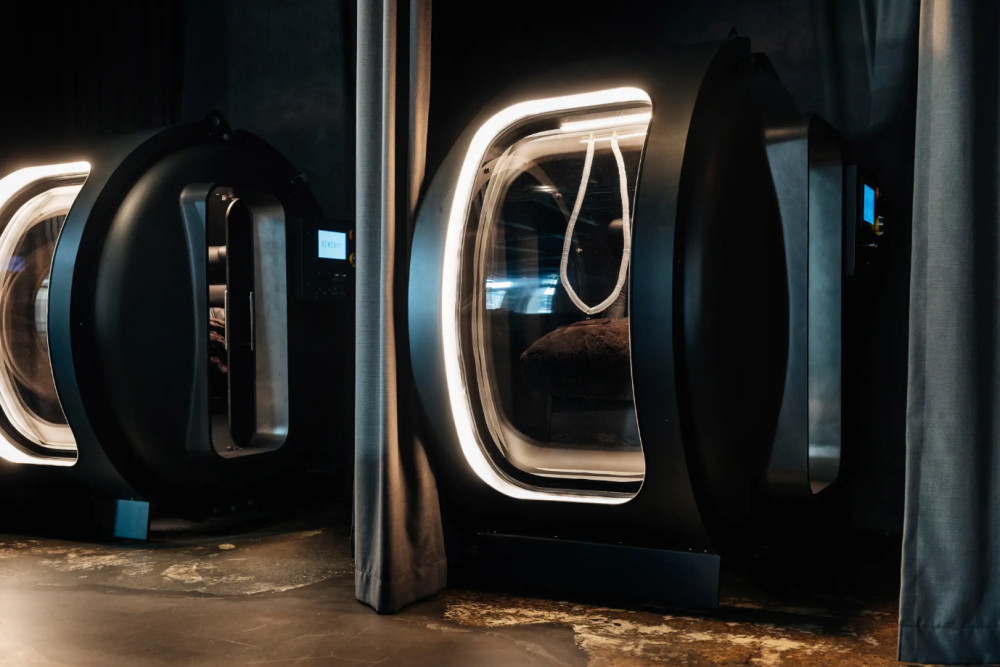
The difference is immediate to anyone who has felt the unease that comes with stepping into an enclosed medical device. HPO.TECH’s chambers are defined by generous interior volume, large panoramic windows, soft lining and seating designed for an hour of stillness. There’s lots of light coming in. The outside is visible. The first reaction most people describe is not claustrophobia but something closer to excitement. The company’s own designers talk about wanting the experience to feel more like an ultra-comfortable space capsule, as a person who is relaxed is in a better state to receive the therapy.
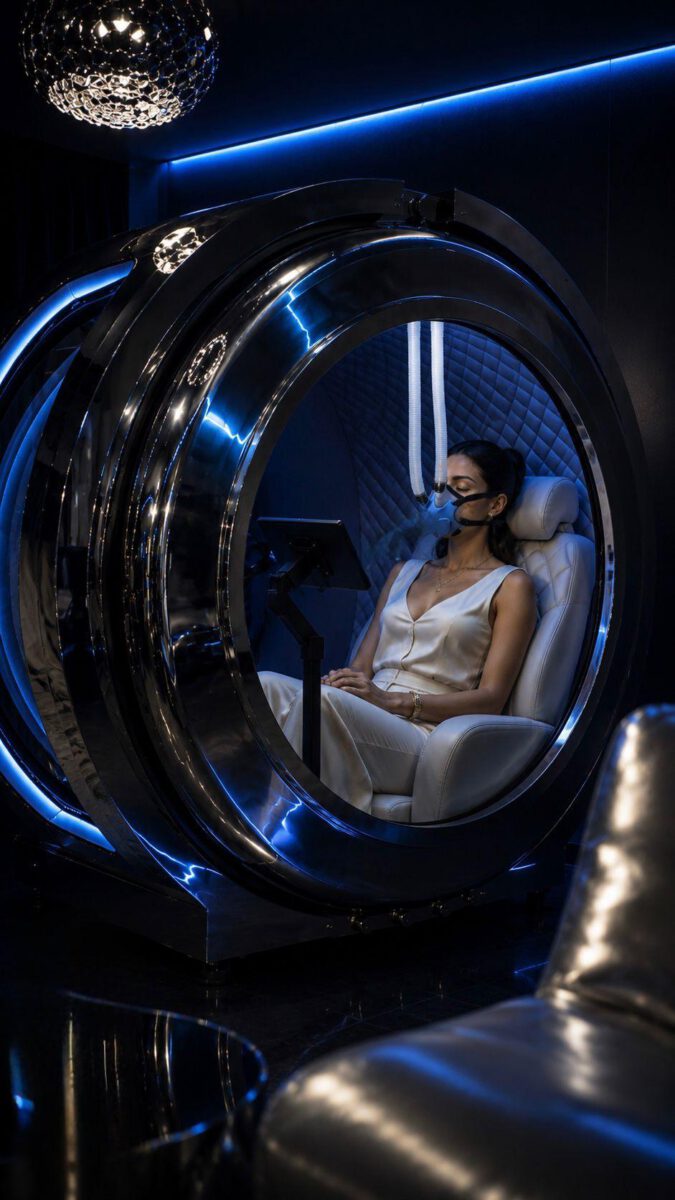
As the chamber pressurizes, the only sensation most people notice is a soft fullness in the ears, the same feeling as a plane beginning its descent, easily cleared with a swallow or a yawn. After that, you just breathe normally and do whatever you feel like doing. Many people read, listen to music, or simply close their eyes and a fair number drift to sleep. You don’t even realize how fast time passes. But when you’re done, you know you’ll come back for more.
What stays with people is a bit harder to pinpoint. Some describe it as being “topped up.” The body has spent a full session saturated with oxygen, and it tends to respond with a feeling of clarity and ease that lingers into the rest of the day.
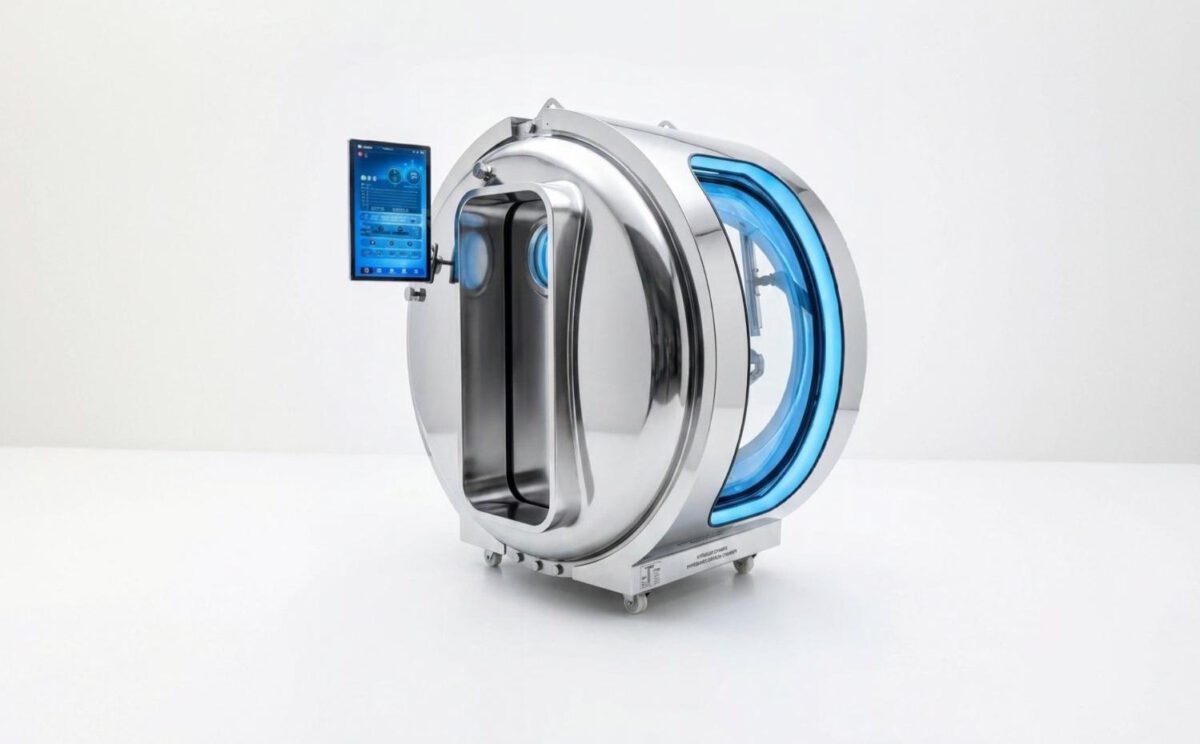
That attention to human experience sits on top of serious engineering. HPO.TECH is among the most certified manufacturers in its field, meeting medical, pressure and safety standards across multiple international markets. The chambers operate as medical devices, safe and sturdy, while offering a level of comfort and visual openness that remains unusual in the category. For a wellness operator or a private owner, that’s a winning combination.
HPO.TECH systems hold international clinical certifications, including EU MDR, PED 2014/68/EU, UKCA, ASME PVHO, ASME U-Stamp, ISO 13485, SFDA, UAE MOH+EDE, Medsafe New Zealand, Thai FDA, GHANA FDA and ISO 9001. Moreso, the company is in the process of obtaining USA FDA, Philippines FDA, Vietnam DMEC, Hong Kong MDACS, Mexico COFEPRIS, Singapore HSA, Taiwan FDA and Japan PMDA.
Hyperbaric oxygen therapy has spent decades proving its worth in clinical settings, and it is now finding a wider audience among people who started to understand that breathing pure oxygen has a certain exquisiteness to it. The chambers built for that audience are where science and human-centric experience finally meet. Through their chambers, HPO.TECH has made an argument that they should never have been apart.
The editorial staff of the Pacific Sun was not involved in the creation of this content. The content is for general information and does not constitute the financial, medical or professional advice of this publication. Readers should consult qualified professionals regarding their individual circumstances. The Pacific Sun disclaims any liability for loss or damage resulting from reliance on this content.