The winter of 2022 may prove to be a winter none of us ever forget. It’s the Omicron winter. Stress levels are at an all-time high as we enter it. Too many people living quarantined in too-small houses sets a bad foundation for any season. It’s cold and it’s wet and shutdowns are in effect in many places as the latest version of the pandemic sweeps back and forth across whole continents.
And yet, we must and we will pull through. Each of us will surthrive this season by staying healthy in our own way.
I will do it the poor-man’s way. I will do it by staying cozy.
To understand what cozy is, a person must understand that I am a cat person, and that my life was once graced by the coziest thing that has ever existed: Shadow Cecilia Fernquest. She was a feral ball of fluff when I first laid eyes on her in a vacant lot in Berkeley in 2002. It took me two months to tame her, and once I brought her home her coziness engulfed me.
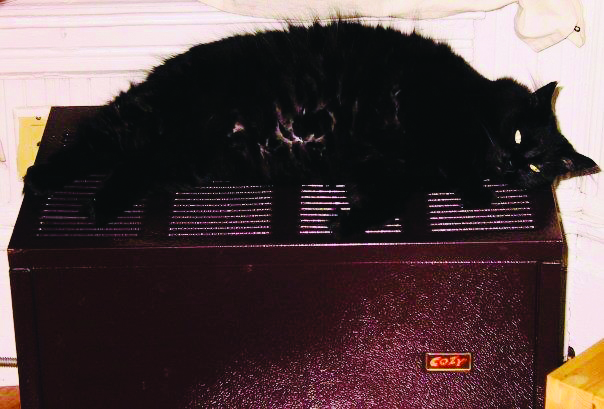
She was so cozy that my apartment had a box gas heater in it called a Cozy, and she lay on top of it, all fluffed up and basking in the heat of the pilot light all winter. She was smart, but I was smarter: On cold nights I turned the Cozy off, so that she climbed under the covers to keep warm. In this way we both stayed cozy.
Shadow has passed, but her replacement, Elijah Darkness, lives on. Together we make the house warm and snuggly enough to sustain us through trying times.
We accomplish this by sitting on the couch and listening to the rain drum on the roof at night, by the light of the Christmas tree, which will stay up through March. If needed, we enhance the experience by curling up under a blanket. This routine, accompanied by Elijah’s purrs, lowers both our stress levels perceptably. It is, in fact, the foundation for our extraordinary vitality.
And so I urge everyone with a furry friend to lower their own stress level this winter by routinely curling up with said friend on rainy nights, listening to the rain on the roof and, well, getting cozy.
Mark Fernquest lives the cozy life in West County.
I’m of the generation that saw Star Wars in the theater in 1977 as a young child, and since then I’ve watched the original trilogy more times than I can count. A few years ago—after embarking on the spiritual journey to defeat the “dragon,” awaken the “sleeping princess” and find the “Grail Castle”—hint: it’s just a left and a right and over a drawbridge—I watched the first three films again, focused entirely on the arc of Luke Skywalker.
No matter what happened on screen, I kept Luke in my mind until I could hold his entire development in one cohesive image, how he goes from naive farm boy to the Jedi adept we see at the end. But to reach that exalted state, Luke must first endure the trials of the dark second film, which is loaded with motifs drawn from the process of initiation into a knightly spiritual order.
Empire Strikes Back opens with Luke demonstrating his growing Force powers as he pulls the fallen lightsaber to him in order to defeat the snow monster. But when he later arrives on the chthonic swamp planet seeking the great Jedi master, he falls back on his impatient, immature personality. This is common in the process of spiritual awakening as the higher self tries to break free, but the egoic mind keeps defaulting to the old personality. Luke feels understandably confused, now a seeker but also a doubter, wondering if he’s even on the right path. When he finally finds Yoda, the great guru does not look as he expected, making the point that enlightenment unfolds in particular ways and from sources that one could never guess.
Now the breaking down of Luke’s old ego commences with a series of trials that bring an equal amount of success and failure. Luke’s entire consciousness is rebuilt, including what is possible and who he really is. After the mystic experience of confronting his shadow in the mask of Darth Vader, Luke learns the horrible truth that the lord of darkness is his real father, sacrificing his arm to discover the truth. And in keeping with initiatic traditions extending through alchemy and medieval chivalric legends, Luke learns he has a “twin sister,” here literalized as the character Princess Leia, but which can be read esoterically as Luke’s awakened anima, or soul.
We’ll finish our New Year’s series on spiritual rebirth with a final look at Luke’s ego death and new, twice-born Jedi self in our next column, and relate it to an ancient tale in the Hindu tradition.
This past year—2021—was supposed to be the year that live theater came roaring back, and it did … for a while. By the end of the year, that roar had been replaced by a hacking cough symptomatic of exposure to the Omicron variant of the coronavirus.
Theaters once again began to cancel or postpone performances as casts and crews—and audiences—found themselves laid up.
It’s too early to tell what impact the latest chapter in our pandemic saga will have on the overall health of the performing arts community, but recognition is due to the companies and artists who made the effort to engage with live audiences while they could.
Here are my “Top Torn Tickets” for 2021, a recognition of the best and/or most interesting stage work done during another truncated North Bay theater season:
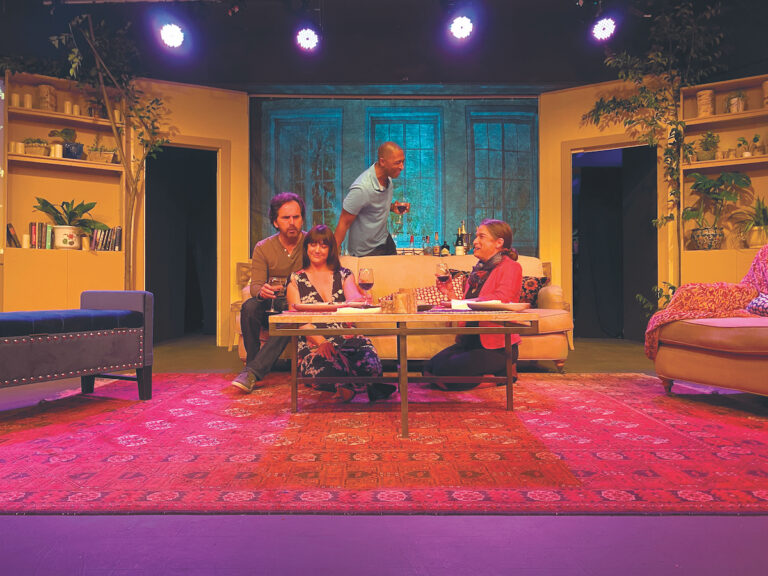
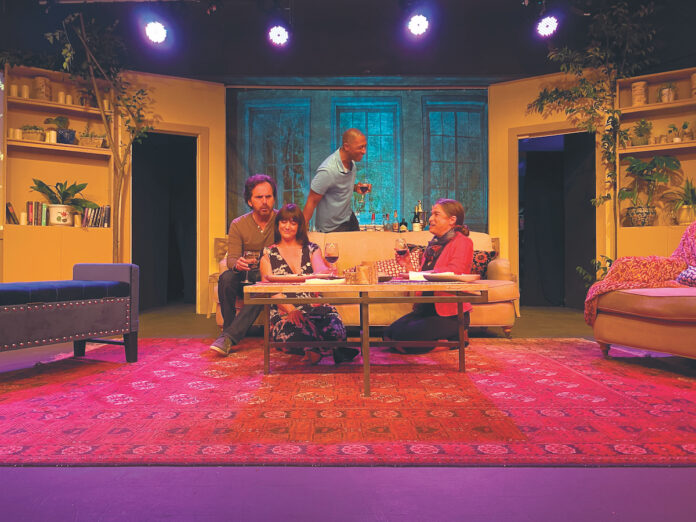
Patty from HR: A Zoom With a View — Main Stage West
Anyone who suffered through an insipid Zoom meeting in the last two years would appreciate what performer Michael Phillis did with his character of Patty, the technologically-incompetent leader of the worst Zoom meeting imaginable.
Galatea — Spreckels Theatre Company
Science fiction is rarely presented on the stage. One of the questions raised by this very interesting original work by David Templeton is, “Why is that?”
Cry It Out — Cinnabar Theater
Playwright Molly Smith Metzler’s excellently-performed bittersweet comedy about modern-day motherhood showed us that the pedestal upon which we place that position is often laid on a foundation of quicksand.
Disney’s The Little Mermaid — Lucky Penny Productions
Director Scottie Woodard brought some very clever solutions to the challenges inherent in presenting a large-scale musical in a small space in the time of Covid.
The God of Hell & The Beard of Avon — Cloverdale Performing Arts Center
Credit the folks in Cloverdale for presenting some very off-the-wall works and doing them well.
Vincent — 6th Street Playhouse
“Solo shows” proved to be an efficient and exposure-minimizing way to present live theater. Actor Jean-Michel Richaud has toured with this production for several years now, but his presentation was fresh and riveting.
How to Transcend a Happy Marriage — Left Edge Theatre
This Sarah Ruhl-penned show had everything—laugh-out-loud comedy, drama, social commentary, deer hunting, an orgy. It just could have done without the egg-laying human/bird.
Georgiana & Kitty: Christmas at Pemberley — Marin Theatre Company
The book was closed on playwrights Lauren Gunderson and Margot Malcon’s imaginative continuation of Jane Austen’s Pride & Prejudice with this third holiday-themed trip to Pemberley. Or was it?
May the curtain continue to rise for us all in 2022.
Ella played it safe throughout most of the pandemic.
With Delta cases waning and her daughter living in Granada, Spain, for a few months, December seemed like a wonderful time for a European vacation. But when the trip was over, Ella tested positive for Covid-19, and the United States won’t let her come home. Instead, she is isolating in an apartment in Spain, continuing to test positive.
As a registered nurse working at Marin Medical Center, Ella has fought Covid on the front lines since the pandemic began two years ago. Always taking extra precautions, she double-masked with KN95s or N95s, instead of simply donning a surgical mask. When the vaccinations were available, she was first in line. Vaxxed, double-vaxxed and boosted.
“I was super cautious for myself and my patients,” Ella said. “I never had even a sniffle.”
Over the holidays, Ella let her guard down while vacationing with her daughter in Spain, where they both came down with mild cases of Covid, likely Omicron. Ella is still testing positive on day eight. Her daughter is right behind her on day five. Both women have experienced most of the tell-tale symptoms, including tickly throat, fatigue, sweating, coughing, runny nose, congestion, GI upset, diarrhea and muscle aches. Unlike her daughter, Ella is experiencing brain-fog symptoms.
“The CDC basically won’t let me back in my country due to the positive tests,” Ella said. “But when I get back home, I’ll go straight back to work. We only have to quarantine for five days and then have a negative test, and I’ll have done that here in Spain. So many staff are sick at Marin Medical Center, because so many in the general public are sick.”
Ella’s story is common now. The highly-contagious Omicron variant, which has a very short incubation period, began sweeping the globe in November. Within a month, it arrived in the Bay Area. In the new year, cases began to skyrocket to record heights, even impacting some fully-vaccinated residents, like Ella.
In recent weeks, the new surge has led to cancelled events, consternation about returning to school and work, and long lines at Covid-19 testing sites.
While Omicron may spread like wildfire, those who are double vaccinated and boostered fare better with the variant, typically experiencing minor symptoms and shorter duration. People who declined the vaccinations may find the virus stays with them longer and produces more severe symptoms, such as fever or chills, cough, difficulty breathing, headache and new loss of taste or smell.
Hospitalizations are again high due to the sheer number of people catching the virus; however, fewer people are put on ventilators and even fewer will die from this strain of the virus. While the Delta variant impacts the tissue in lower lungs, alveoli and lungs, causing respiratory problems and sometimes death, Omicron seems to stay in the upper airway and throat, resulting in more cold-like symptoms.
CASES SURGE
Over the winter break, Omicron became the dominant strain, and cases began to spike throughout the state.
On Monday, Jan. 10, California health officials reported 308,820 new infections over the weekend. The staggering figure pushed the state’s total number of cases throughout the entire pandemic to over 6 million reported cases. The state surpassed 5 million cases less than two months before.
The trends are similar in the North Bay.
On Monday, Jan. 10, Marin County reported 1,331 new cases, Napa County reported 795 new cases and Sonoma County reported 3,413 new cases, according to data compiled by the New York Times.
By Thursday, Jan. 6, data showed 12,000 Marin County residents were infected with Covid, approximately 4% of the county’s population. By Tuesday, Jan. 11, Sonoma County was reporting 10,117 active cases—accounting for nearly 2% of all county residents.
In Marin County, Omicron is rearing its ugly head despite the county’s 89% vaccination rate. As of Friday, Jan. 7, the county reported 119.8 new cases per 100,000 residents, compared to a rate of 14.5 per 100,000 on Dec. 7, 2021. The current case rate for unvaccinated people—776.1 per 100,000—is eight times higher than the new case rate for vaccinated people, 96.8 per 100,000.
In Sonoma County, 78% of the population is considered fully vaccinated and the case rate among unvaccinated people is roughly twice as high—196.8 per 100,000, versus 98.3 per 100,000 for vaccinated people. The county’s total case rate rose from 24.4 per 100,000 to more than 121 new cases per 100,000 in the two weeks before Monday, Jan. 10.
The rampant case spread means that a lot more people or their families will be impacted this time around, whether they are vaccinated or not.
“Most people will contract the Omicron strain personally, or someone in their immediate family or social circles will be afflicted with it,” Dr. Matt Willis, Marin County’s public health officer, said.
Despite the rapid case spread and increased strain on hospitals, schools and businesses, public health officials aren’t suggesting widespread lockdown measures similar to those implemented in the early days of the pandemic.
“Public health interventions would have to be really draconian, because the Omicron strain is so prevalent,” Willis said.
Instead, health officials are largely urging residents to stay home, avoid large gatherings and wear high-quality masks.
On Monday, Jan. 10, Sonoma County Health Officer Dr. Sundari Mase issued a statement urging residents to stay home as much as possible for the next month. A health order Mase issued the same day bars some gatherings of more than 50 people indoors and 100 people outdoors until Feb. 12.
“Our case rates are at their highest level since the pandemic began, and our hospitalizations are climbing at an alarming rate as well,” Mase said in a statement. “We are seeing widespread transmission occurring within unvaccinated groups as well as some transmission among vaccinated individuals.”
Before and after Mase’s order, Sonoma County event organizers had begun cancelling upcoming events scheduled during the next month.
Still, amid all of this bad news, there may be a silver lining.
“People always want to know, ‘How long is this going to last?’” Willis said. “Omicron is a flame that burns very quickly.”
Testing information for Marin County residents is available here.
In the streaming era it’s easy to believe that books are falling by the wayside. Even I, an avid reader and literature major, find I need small nudges and reminders to crack the next book rather than open an article on my phone, pop on a podcast or couch it up for the next Ozark episode.
Change is inevitable, and I’ve learned to remain elastic instead of railing against it, but books, in their current tangible form, remain a feature in our lives, I’m happy to report.
More importantly than the vehicle which delivers them, though, is the stories they contain. Kindle or hardcover, the chill-inducing, heart-warming content is what we’re after, and to that end, we’ve curated a list of must-reads for the new year. Very happy reading to all of us, however we do it. And don’t miss Ozark’s new season on Jan. 30—I got Covid this week, and let’s just say I’m all caught up.
Separation Anxiety
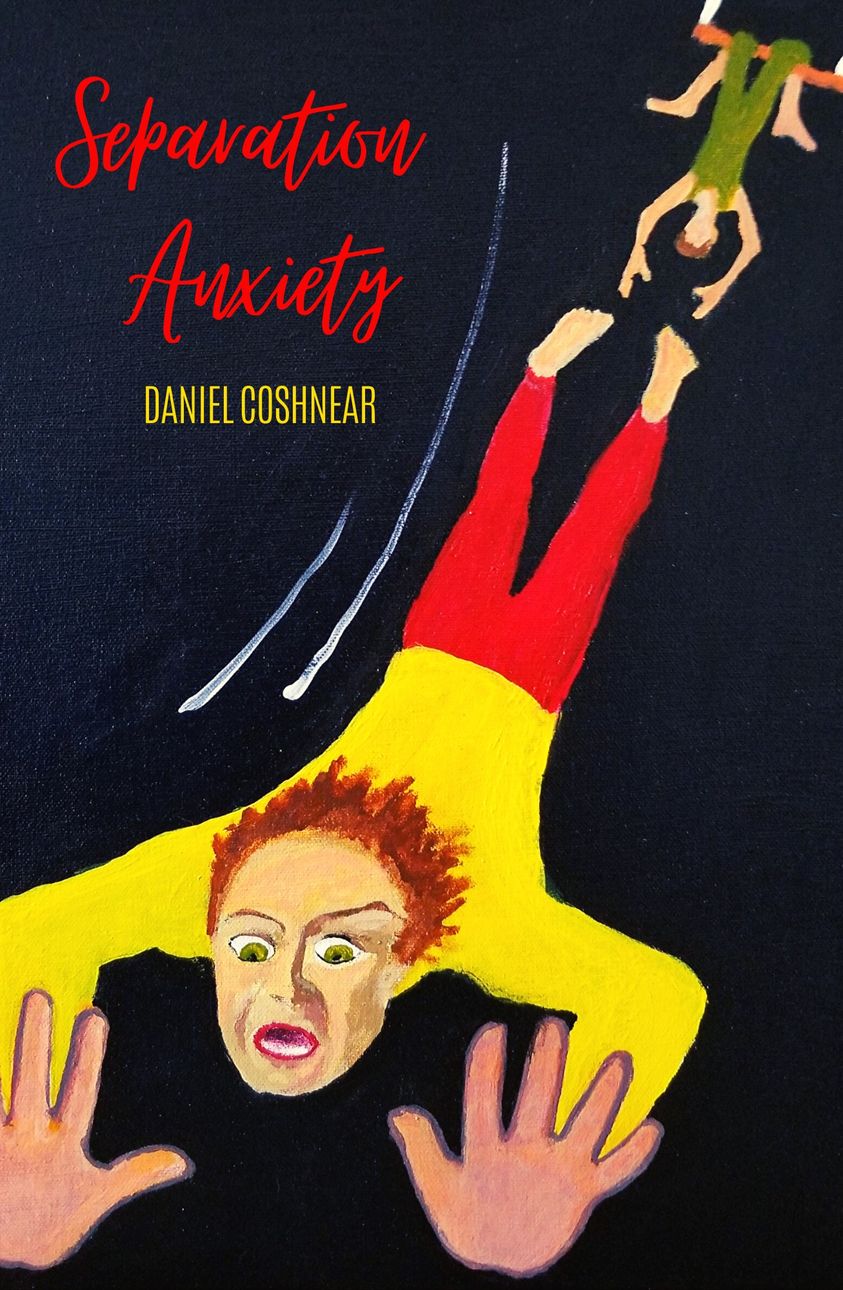
Guerneville author Dan Coshnear is back with his latest. Separation Anxiety, published by Unsolicited Press, is a collection of 18 short stories that address the experience and effects of separation anxiety. Through the lens of a SWAT-team captain, a mental health worker and an old man grieving his deceased wife, Coshnear examines the unique circumstances of separation anxiety, both as a painful and sometimes-crippling disorder and as an agent for powerful and lasting change. Separation Anxiety is enjoyable and timely. Order Separation Anxiety at unsolicitedpress.com.
Coshnear is the author of Homesick, Redux (Flock, 2015), Occupy & Other Love Stories (Kelly’s Cove Press, 2012) and Jobs & Other Preoccupations (Helicon Nine, 2001), winner of the Willa Cather Fiction Award. Originally from Baltimore, he spent a decade in New York before moving to San Francisco, where he graduated from San Francisco State University with a creative-writing degree. He now lives in Guerneville. Coshnear works at a group home for the homeless and mentally ill, and teaches writing classes through UC Berkeley Extension.
A book launch for Separation Anxiety will be held at the Occidental Center for the Arts, Jan. 16 from 3–4pm. Coshnear will read excerpts from his book and answer audience questions. Visit occidentalcenterforthearts.org for more information.
SIBLING COLLABORATION The cover for Dan Coshnear’s ‘Separation Anxiety’ was painted by his sister, Valerie Coshnear. Photo provided by David A. Porter.
From Street Smart to School Smart
From Street Smart to School Smart is the latest from Dr. David Sortino, profiling his work as the principal of Clark Academy, a residential school for at-risk girls in San Francisco. In From Street Smart to School Smart Sortino chronicles working with these girls—who come from situations involving prostitution, drug-dealing and homelessness—to gain their trust through kindness and self-empowerment, as well as through education. Sortino is careful not to take the role of the white male savior, telling the story largely from the perspective of 17-year-old Jewels Odom, an ex-prostitute and one of his students. This book is moving and critical. Available in Kindle and paperback editions.
Sortino has spent his life researching brain function in children to optimize learning ability and working with at-risk youth. Holding a master’s degree in child development from Harvard and a doctorate in clinical psychology from Saybrook University, Sortino has worked as a teacher at Santa Rosa city schools and Santa Rosa Junior College, served as a consultant to county and state programs for at-risk youth and teens, and founded the Neurofeedback Institute in Graton.
Grampy and His Fairyzona Playmates: Whimsical tales about a sorcerer, fairies, spells, unicorns and a magic carpet
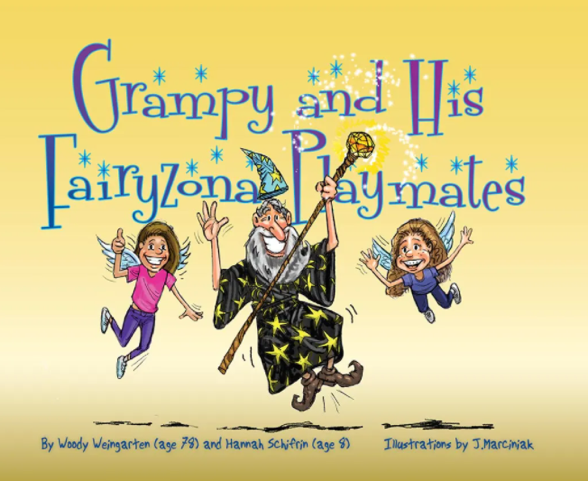
I am so excited to write about this book: Grampy and His Fairyzona Playmates, co-authored by then-78-year-old Woody Weingarten and his granddaughter, then-8-year-old Hannah Schifrin—pause, for the “adorable factor” to fully sink in. This children’s book tells the tale of Grandpa Graybeard, a sorcerer who often comes to the rescue of his granddaughter, Lily, and her friend, Penny, when the two young fairies mess up during their spellwork. The ensuing misadventures are wildly fun and full of the kind of imagination only a grandpa and his granddaughter can think up.
Beautifully illustrated by Joe Marciniak—who captures Penny, Lily and Graybeard perfectly—this is sure to become a childhood classic. Grampy and His Fairyzona Playmates is available for purchase on Abebooks.
In addition to his latest collaboration, Woody Weingarten authored Rollercoaster: How a Man Can Survive His Partner’s Breast Cancer. Portraying Woody and his wife’s journey through the disease, this is a comprehensive memoir-chronicle and guide to scientific research, meds and where to get help when it’s needed. Though written for men supporting their wives, this book is a guide to supporting loved ones through disease and is applicable to any gender identity.
MULTIGENERATIONAL MAGIC Perhaps the sweetest kid’s book of the year, and possibly the decade, ‘Grampy and his Fairyzona Playmates’ was written by Woody Weingarten and his 8-year-old granddaughter. Photo provided by Woody Weingarten.
Little Secrets
Published by Dorrance Publishing Co., Little Secrets, by Napa-based author Darlene J. Forbes, is a fictional story of sisterhood and the powerful bonds between women. Built around the friendship of protagonists Sally and Nancy, Little Secrets looks at the strength and meaning of friendship and how it can survive lies, pain and even death. Little Secrets, an enjoyable and meaningful read, is available at local bookstores.
Forbes, a self-made wedding coordinator for over 35 years, began writing during Covid-19 when many weddings were postponed. Married, the mother of three daughters and grandmother to nine grandchildren, she loves to play golf, read and travel.
Carnival Songs (ebook)
Another work of fiction, Carnival Songs, written by S.V. Brown and published by Golden Storyline Books, is set in Torrenceburg, a small city along the Ohio River in Indiana. The narrator, last heir to the founding family’s long standing wealth and privilege, searches for answers and historical accuracy as his mother lays dying, discovering in the process far darker and more painful truths than he had expected. Covering the reality of Native American displacement and genocide, this book is strong historical ficiton, and is already considered an important piece in the canon of contemporary American literature. Find the ebook on Amazon or Goodreads.
Brown is a native of Southwest Ohio and Kentucky, and spent most of his young life farming. As an adult he graduated from the University of Cincinnati with a degree in English and spent the next 10 years living in Europe, recording and releasing albums. He moved to California with his wife in 2000 and continued to produce music and teach high school English. He recently obtained his master’s in creative writing from Sonoma State University. This is his first novel.
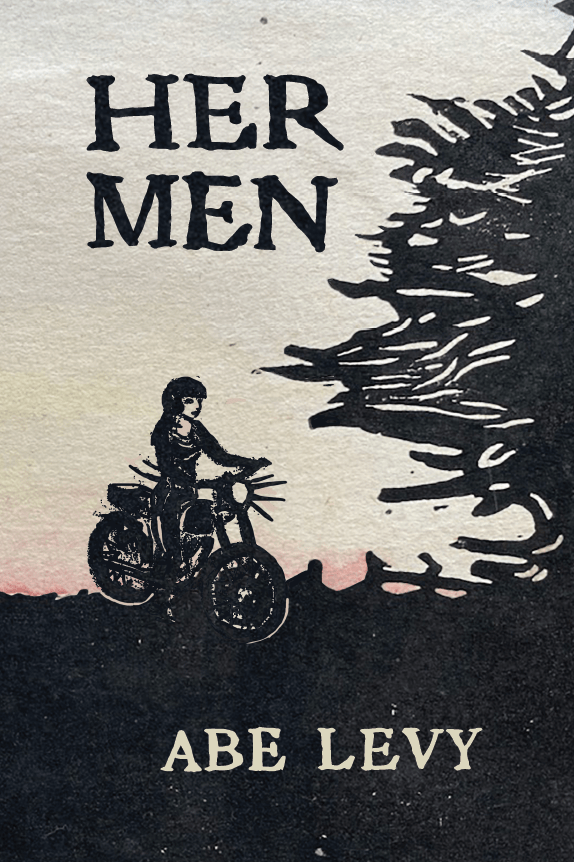
Her Men
Her Men, published by FMRL—the local press founded by Pacific Sun and Bohemian Editor Daedalus Howell—and written by Abe Levy, is the author’s homage to the short, bright life of his sister Nini, a young woman coming of age in 1980’s rural California. Levy’s fraternal narrator witnesses his sister’s myriad affairs and romantic explorations while acting as her best friend and confidant.
Says Levy, “Nini was my favorite person when she was alive. Like many who die at a young age, she shone extra brightly when she lived. She looked at the world through a special lens that I always envied. She was courageous in life and love, and helped me learn how to dream. She was a poet and a lover, and lived a large life even though it was a short one.”
Her Men shines as brightly as Nini herself did, and is rich with stranger-than-fiction anecdotes. It is available in hardcover at Barnes and Noble, as well as on Amazon and FMRL.com.
Abe Levy is a former Petaluman and a filmmaker who currently lives and works in L.A. His feature films include Deep Dark Canyon,The Aviary and It’s Alright Ma, I’m Only Trying.
Beside the River and River’s End
Published by MCAA Books in August and November 2021 respectively—a phenomenal feat of writing—Beside the River and River’s End are parts one and two of a fiction series by Mark Tate. Beside the River follows Kazumi Matsuoka, an 80-year-old haiku master and owner of Kawabata Vineyard. Kazumi plans to transform 10 acres of her vineyard into a preserve with hiking paths, but discovers instead individuals living in a nearby homeless encampment. River’s End follows the developing story, addressing issues of drug addiction, homelessness and even murder, all set on the stage of climate change. Another pertinent offering from a local author. Beside the River and River’s End are available as Amazon Kindle editions.
Tate was born at Hamilton Air Force Base in Marin County, and at a young age lived in rural Japan where his father was stationed. He graduated from San Francisco State College with a bachelor’s in English literature and a master’s in creative writing, and is a long-time resident of Sonoma County, along with his wife and their two cats.
But I Don’t Know You
The latest from German born Stefan Kiesbye, But I Don’t Know You, published by Saddle Road Press,follows the story of Cal, an immigrant who, after twenty-five years in the United States, loses his home, personal documents, and all belongings to a raging wildfire, after which his marriage falls apart, leaving him without any external representation of his identity. The novel follows Cal on his travels across the country, as he seeks to reconstruct some sense of himself through lost loves, discarded friends, and estranged mentors. But I Don’t Know You is meditation on belonging, identity, memory, and the stories we tell about who we were and who we have become. But I Don’t Know You can be found on Amazon and Powell’s City Books.
Stefan Kiesbye was born on the Baltic coast and moved to Berlin in the 1980s. He studied drama and worked in radio before starting a degree in American studies, English, and comparative literature at Berlin’s Freie Universität. A DAAD scholarship brought him to Buffalo, New York, in 1996, and he received an MFA in creative writing from the University of Michigan. His stories, essays, and reviews have appeared in the Wall Street Journal, Publishers Weekly, and the Los Angeles Times, among others. His first book, Next Door Lived a Girl, won the Low Fidelity Press Novella Award, and has been translated into German, Dutch, and Spanish.
Yes Again
Yes Again is Sallie Weissinger’s debut novel, a memoir of her 75 exceptional years searching for and finding love. This is a glorious story of a woman’s life, filled with overcoming hardships, leaning into the promise of good things to come, and a commitment to love over all else. This is a book everyone needs to read this year. Visit yesagainmemoir.com to buy a copy through a local purveyor.
Sallie Weissinger is a native of New Orleans, and was raised as a military brat in Germany, New Mexico, Ohio, Japan, and Michigan until 16. She has lived in the Bay Area since 1973 and spends time with her husband in Portland, Oregon. Weissinger spent 23 years working with the Federal Reserve Bank of San Francisco, and upon retirement taught Spanish and translated medical documents into Spanish. She is pleased and startled to have written her first book.
Jane Vick, a painter, writer and journalist, has spent time in Europe, New York and New Mexico. She is currently based in Sonoma County. View her work at janevick.com.
With diverse agriculture and robust university-level science programs, California is uniquely positioned to develop and enact community-based solutions to widespread challenges posed by climate change. The book Climate Stewardship: Taking Collective Action to Protect California, written by California Naturalist Program founder and author Adina Merenlender with Brendan Buhler, gives readers the tools to get involved in climate action in their communities. This week, Copperfield’s Books hosts an online event with Merenlender reading from the book and sharing stories of everyday people making a difference on Thursday, Jan. 6. 7pm. Free. copperfieldsbooks.com.
Healdsburg
Music Virtuoso
In addition to collaborating with superstars like Elton John and Bob Dylan, multi-instrumental master John Jorgenson leads his own internationally acclaimed ensemble, the John Jorgenson Quintet. The band performs a swinging gypsy jazz brand of music that pays tribute to legends like Django Reinhardt, with Jorgenson playing everything from acoustic guitar to clarinet to a Greek lute known as a bouzouki. The John Jorgenson Quintet comes to the North Bay for a concert on Friday, Jan. 7, at the Raven Theater, 115 North St., Healdsburg. 8pm. $25–$45. Proof of vaccination required. Raventheater.org.
Mill Valley
Healing Songs
In 2010, four-year-old Joey Gomoll died after suffering from a form of epilepsy known as Dravet Syndrome. Each year since then, Gomoll’s family puts on a benefit concert, known as Joey’s Song and featuring Grammy-winning and chart-topping artists, in Madison, Wisconsin. This year, the Epilepsy Foundation of Northern California brings Joey’s Song to the North Bay with a show broadcasting the Madison concert and featuring live music from Tom Conneely & Birds of Paradise, Silent Way and Matt Jaffe on Saturday, Jan. 8, at Sweetwater Music Hall, 19 Corte Madera Ave., Mill Valley. 7pm. $10. Proof of vaccination required. Sweetwatermusichall.com.
San Rafael
Classic Film
In 1924, silent film star Buster Keaton starred in the comedy Sherlock Jr. as a humble movie projectionist who dreams of becoming a great detective. In 2022, movie audiences can see the film on the big screen with live music accompaniment, just like it was shown nearly 100 years ago. Sherlock Jr. displays Keaton’s physically demanding and perfectly timed visual comedy with a live soundtrack by violist Ruth Kahn and violinist Mads Tolling on Sunday, Jan. 9, at Smith Rafael Film Center, 1118 4th St., San Rafael. 3pm. $15–$20. Proof of vaccination or negative Covid test required. Cafilm.org.
In reference to your Dec. 29th issue, the letter from Mr. Neil Hammaris (“Historical Veracity”) whitewashed the treatment of the now mostly extinct indigenous tribes of what we now call the San Francisco Bay Area, and shows his profound ignorance of history. The indigenous people did not want or need anything from the Europeans—not their presence, religion nor inventions.
The Europeans were cruel, ignorant invaders, who kidnapped, jailed, coerced, raped and murdered the native people. The food and “shelter” they demanded the natives agree to was completely dependent upon their accepting the Catholic religion, which they did not understand.
My ancestry is part European and part Indigenous. I’m an old hippie and I’m grateful that some of the young people are trying to save our Earth. Sorrowfully, their efforts may be “too little, too late.” We hippies tried to warn everyone for decades that human overpopulation has caused or exacerbated every problem our Earth now has.
The cross definitely was not the world’s oldest symbol (“Crosstalk”). Mr. Chensvold needs to engage in more historical research for his “Spirit” column. The Vesica Piscis and many other Goddess symbols predate the cross. The Vesica Piscis symbol was one of many stolen by the Christians.
Barbara Dougherty
Santa Rosa
Biden’s Word
In November 2020, millions of voters like me went to the polls and cast a ballot for Joe Biden.
It’s time for Biden to go further than talking about supporting voting rights legislation. We need him to fully support ending the filibuster so the Senate can finally pass voting rights legislation like the Freedom to Vote Act and the John Lewis Voting Rights Advancement Act.
We can’t out-organize voter suppression. History will remember how President Biden handles these attacks on our right to vote. I’m urging him to do the right thing.
When he’s not writing, Jonah Raskin is writing; which is to say he is always writing.
The prolific author and frequent contributor to the Bohemian and Pacific Sun seems to publish something every year. And nothing changed during the pandemic.
Out now, Raskin’s latest literary wonder is the novel, Beat Blues: San Francisco 1955, which features fictional cameos by several of the city’s famous and infamous members of the Beat Generation, including Jack Kerouac, Allen Ginsberg and Lawrence Ferlinghetti.
“It started as a love story between Natalie Jackson and the protagonist Norman,” Raskin says.
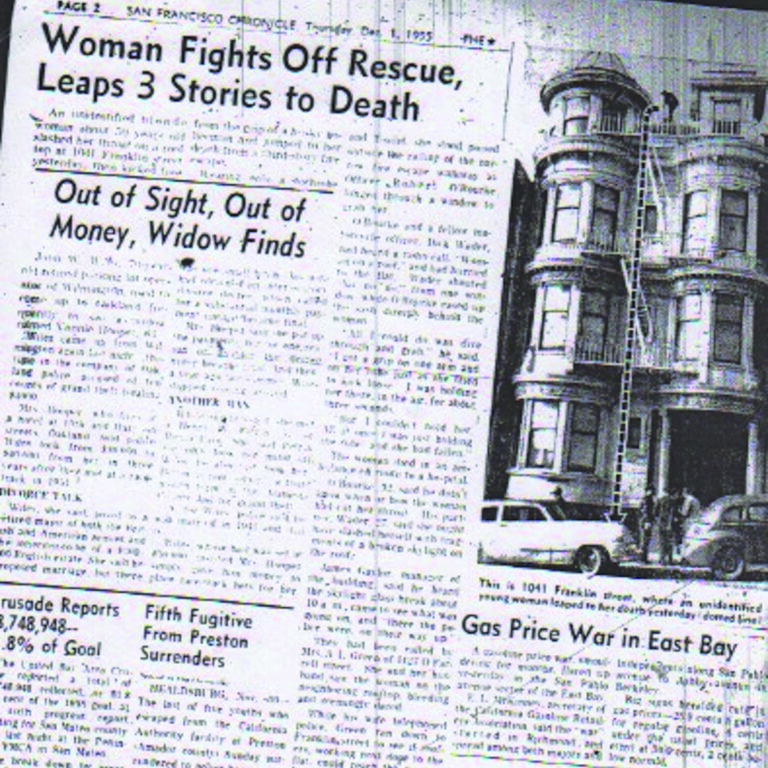
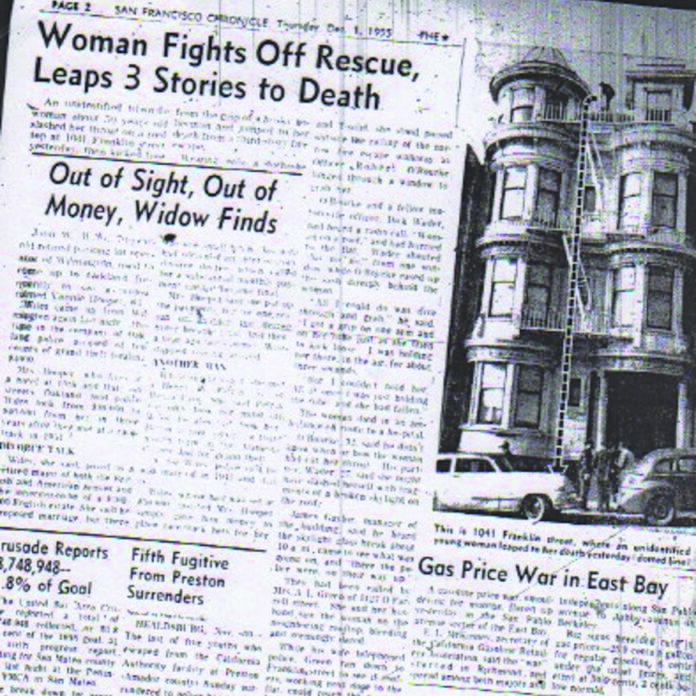
Jackson became a notorious figure of the Beat Generation for having an affair with Kerouac’s buddy, Neal Cassady, before committing suicide in San Francisco in November of 1955. Yet, very little is actually known about Jackson other than the tabloid headlines of the time.
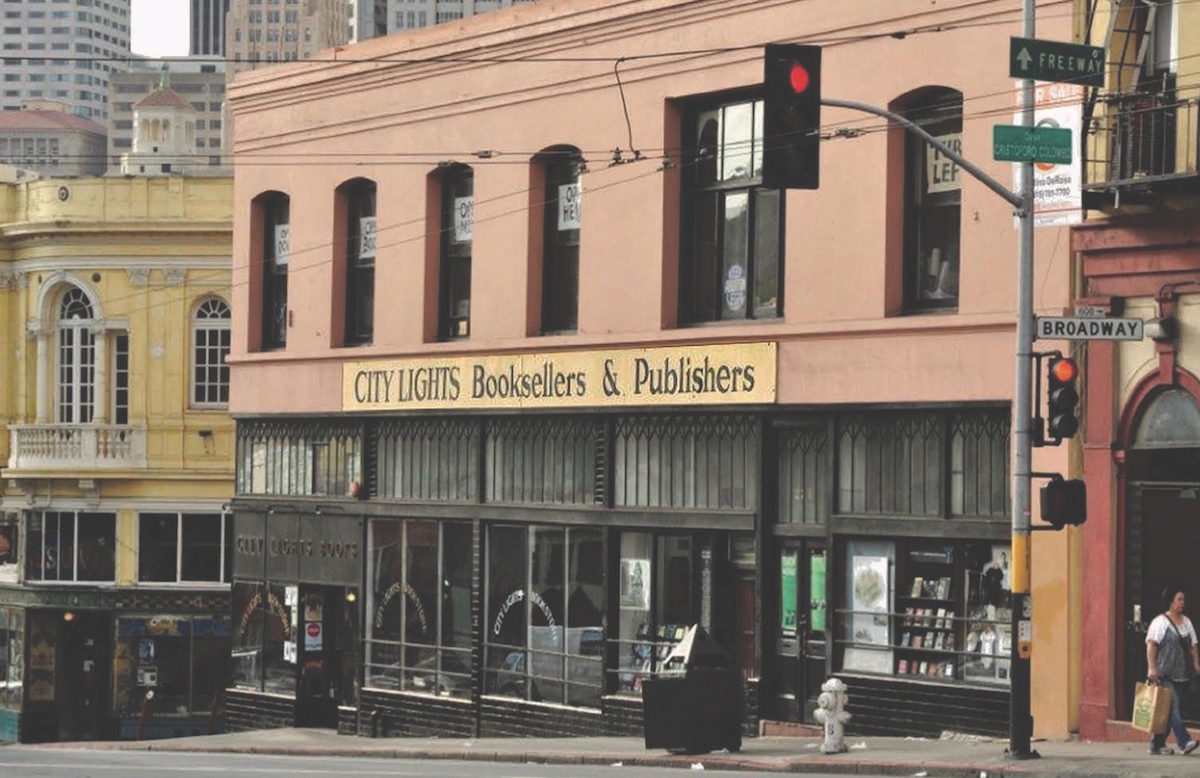
Several years ago, Raskin began looking deeper into Jackson’s life with the help of his brother, who is a private investigator. From there, Raskin decided to put Jackson in this novel, which led him to set the action in San Francisco in 1955. Then he incorporated iconic spots, such as City Lights Bookstore and the Blackhawk jazz club, and began including other Beats in the story.
Coming off of writing three noir detective stories, Raskin says there is some darkness in Beat Blues, but it’s not a whodunit. Rather, the story offers a behind-the-scenes look at the culture of jazz and poetry that permeated the city in the 1950s.
“1955 was also the birth of the Civil Rights movement, and there was the murder of [Emmett Till] in Mississippi,” Raskin says. “So I brought together in the novel these two sides of the mid-50s, the Black Civil Rights movement and the mostly white cultural revolution of the Beats. They’re interacting.”
In the novel, Raskin also puts words in the mouths of Beat figures like Ginsberg, who Raskin invited to read and lead poetry workshops at Sonoma State University, and City Lights Bookstore-owner Ferlinghetti, who Raskin also knew.
CITY BLUES Jonah Raskin’s new novel, which takes place in San Francisco in 1955, features several famous characters from the Beat Generation. Photo by Jonah Raskin.
“I took more liberty with Natalie Jackson than with the other characters, because there are more blank spaces in Jackson’s life than their lives,” Raskin says. “Kerouac says Jackson was a writer, but as far as I know, none of her work exists. So, I did take the liberty of having Jackson perform one of her poems publicly, and she’s kind of outrageous. In a way, she’s a liberated ’60s woman before the ’60s. She points the way to the future even though she didn’t make it there herself.”
In the following excerpt, from Chapter 10 of Beat Blues, Norman reconnects with Natalie Jackson at San Francisco’s Blackhawk jazz club. Beat Blues: San Francisco, 1955 is now available online and in bookstores.
–––
The Blackhawk felt funky, as in rough around the edges, and funny, as in strange, not ha-ha funny. Except for a few couples who might have been described as “interracial,” white folks and Black folks sat at separate tables, with only jazz to bring them together. The place wasn’t segregated, but it wasn’t really integrated, either. A few young kids accompanied adults and sipped through straws from bottles of Coca Cola.
A couple of guys who struck Norman as queer leaned against the bar and a couple of women he thought of as lesbians stood near the back wall. This place is gonna be raided, Norman thought. I don’t want to be here when that happens. His paranoia was acting up again.
He remembered that he had first heard bebop in Harlem six months after he came home from the war. At first, he resisted it and wanted to go back to the days of swing and the big bands when he danced in a clumsy, albeit graceful sort of way. He missed the dancing, missed Gene Krupa on drums and Dizzy on his horn, but bebop wore down his resistance, swept him up and carried him away.
Dancing, he decided, was for squares. He had been a weekend hipster. Now he was a fulltime hep cat. The sax became his deity; he worshipped at its shrine. No wonder he heard it at odd hours and in odd places.
Ezra arrived at the Blackhawk after the first set came to a close, and found Norman seated at a small round table, where he sipped a cocktail. Norman reached discretely for the brown paper bag in his jacket and surrendered it before Ezra asked for it. His pal held it in the palm of his hand, scampered across the floor and ducked behind the curtain on the stage.
A few minutes later, Lester appeared with his sax for the start of the second set and began to play slowly and sweetly. He transported Norman to a place that felt blissful. A photographer took Lester’s picture with the band members, and pictures of the audience, too.
Ezra returned to the table, sat down, folded his arms across his chest and let the music wash over him. It helped that he was stoned. There was no doubt about it, the reefer had worked its magic. Norman could smell it.
But it wasn’t just on Ezra; it was all over the Blackhawk, mixed in with, but not dominated by the smell of tobacco, beer, perfume and perspiration. Norman’s own bittersweet longings welled up from inside and made him feel hornier than he had felt for a long, long time. Perhaps he had a contact high.
Ezra clapped Norman on his back and roused him from his reverie.
“You did right bro! The cops didn’t find nothin’ on me. Let me go once I showed my driver’s license and papers from the army. I carry ’em to keep me outta trouble.The uniform didn’t hurt, neither.”
Norman surveyed the room.
“Great show! Fantastic audience. I could stay here forever.”
He noticed parents with their children in tow.
“What gives with the kids?”
“They gotta get with jazz same as adults.”
“What about the guy with the camera?”
“That’s Fred Lyon. He nails ’Frisco, from the Golden Gate to Coit Tower and Nob Hill; he’s famous all over town. If you pay him he’ll take your photo.”
Norman watched Lyon move around the room like a dancer, snapping shots of the audience, as well as shots of Lester Young, who wore a pork pie hat. Norman fixed his eyes on Ezra, who didn’t look or sound like the man he had seen on the sidewalk, hemmed in by the cops. Ezra snapped his fingers. His head bobbed up and down.
“Man, oh man, Prez is hot tonight. Did you hear that riff?”
“I did! It’s better to hear him in person than to hallucinate his harmonies.”
When Lester played “D.B. Blues” Ezra looked like he was lodged in jazz heaven.
“Fuckin’ outrageous that he was busted with booze and reefer, locked up, kicked out of the military and court-martialed.”
“Dishonorably discharged! Disgraceful!”
Ezra’s lithe black body moved to Lester’s elastic blues.
Seemingly taller and more robust now than he had been on the street surrounded by the cops, Ezra leapt to his feet, sashayed across the room, pulled up a chair and sat down at a table opposite a woman who wore a purple evening gown that revealed her back. In his spiffy uniform with his hair slicked back, Ezra looked, Norman decided, like a confidence man who might talk a man or a woman into or out of most anything. He was cheeky.
Norman could not see the woman’s face, though he twisted this way and that way and tried to find a clear line of sight. There were too many people sitting and standing between them. Her face was turned away from him, though for a few moments he had a good look at her slender neck and shoulder blades.
He thought he remembered them, especially now with the sax swirling around and around. Lester, the funky bebop king and the woman with the beautiful shoulder blades, a white queen reigning effortlessly over the crazy scene at the Blackhawk. Norman didn’t want to be her vassal, or express his fealty, and he resented the intimacy she seemed to share with Ezra, her Black prince.
The Blackhawk was a kind of pressure cooker that heated everyone. It intensified Norman’s red hot rage and his cool green jealousy, and something he didn’t want to know and acknowledge, the noir at the heart of noir: the Blackness of his own whiteness.
His ancestors were talking to him, though he didn’t want to hear them. He calmed himself down by sheer willpower and crossed the room at a diagonal, the music growing louder and louder. He glanced over his shoulder and found Natalie’s flinty eyes—yes, yes, Natalie’s eyes—as hers found his, their eyes locking until he blinked, his head pounding.
Lester was fucking his sax, the music rising and falling until it climaxed and the room thundered.Then came a moment of silence and clarity. Natalie had the same hard eyes and soft mouth that he remembered.
Who am I? He asked himself. Who is Norman de Haan, who traces his ancestors from Holland to Suriname on the coast of the Atlantic Ocean? He didn’t like to admit it, but he thought that the white queen was threatened by the Black prince, who was supposedly his buddy and obviously as queer as the queers who stood at the bar. Race trumped everything every time. It whipped friendship, sex and class, too.
Where was his Oreo self now? Nowhere. He was white on the outside and white on the inside.
“Mind if I join you?”
Norman didn’t wait for an answer. He grabbed a nearby chair, sat down and drilled Natalie with his eyes.
“Long time no see.”
He was instantly embarrassed by the cliché that told him he was at a loss for words. It was cliché time at the Blackhawk. The clichés piled up and crashed down to the floor along with the notes that spilled from Lester’s sax.
There they were, the three of them: the two army veterans and the woman between them. New York Norman and San Francisco Ezra, East entangling with West, white coexisting and colliding with Black, and the noir queen at the crossroads. There would be no balancing act. Something or someone had to give. It wasn’t going to be Norman. He would stand his ground, even if there was no ground to stand on.
Ezra piled another cliché on the pyramid of clichés.
“I might as well break the ice.”
To Natalie he said, “This is my buddy, Norman,” and to Norman, “Meet Natalie, a Jersey girl, just blew into ’Frisco.” At least he didn’t say “my girl.” Norman was thankful for that. Maybe Ezra went both ways. Maybe he bedded women as well as men.
Norman vowed not to seem too curious and vowed, too, not to toss out another cliché. He didn’t want to utter another fake phrase, or make a face that would reveal his invisible connections and disconnections to Miss Natalie Jackson, formerly of New Jersey.
She was more beautiful than he remembered her, more womanly and less girly, more sophisticated and less rough around the edges. He knew he was still dangerously in love with her.
“Pleased to meet you.”
He tried to hide the embarrassed expression he was sure had to be on his face. He wanted to slap himself.
Natalie wore a bemused smile that seemed to belie her anxiety.
“Pleased to meet you, too, Norman. Do you come here often?”
Norman shook his head.
“No, this is my first time.” Once he started to talk, he couldn’t stop talking. Words concealed his own nervousness.
“Ezra brought me here and I’m glad he did. Lester is amazing and the Blackhawk is the coolest club I’ve ever been to, including Birdland, though Bird was phenomenal until he started shooting up. Truth to tell, I love Shearing’s lullaby to the place. It’s a classic.”
He heard himself speak and thought he sounded like his glib prof in Jazz 101.
Natalie lifted her cocktail glass.
“Bebop is ancient history.You should hear ‘Shake Rattle & Roll.’ It’s the newest thing. I have a stack of 45 RPMs. You know, don’t you, the DJs call it ‘rock ’n’ roll’ and say it has already blown bebop out of the water. Elvis is bound to hit ’Frisco ASAP.”
Norman wanted to be cantankerous.
“I would not like bebop to go the same way as the novel, which is dead or at least dying, according to my friends who read Partisan Review.”
He turned toward Ezra.
“What about you, pal. What do you think?”
Ezra took a deep breath.
“I’m partial to Muddy Waters and Ray Charles and turn a deaf ear to the Crew Cuts, and as for Patti Page, that doggie in the window she sings about ought to pee all over her lily white shoes.”
Natalie laughed until her whole body shook. She turned from Norman to Ezra and then back to Norman, and wore a smug expression on her face that said she wanted to pick a fight.
“You sound like you’ve got a stick up your royal Dutch ass.”
“No reason to jump at every new fad.”
Norman growled.
Natalie growled back.
“It’s not a fad.”
“What is it if not a fad?”
“You wouldn’t understand.”
Ezra listened to the verbal volley with amusement and seemed disinclined to add his own feelings to the mix. But then he broke his stony silence.
“If you pay attention to rock and roll, you’ll hear rhythm and blues.” He didn’t say “rock ’n’ roll” or “rhythm ’n’ blues.” He used the word “and,” which lent a certain formality to the terms.
Natalie glared.
“If you listen, you’ll hear country and western in rock.”
Ezra huffed.
“A lot of white boys tryin’ to sound like they come from Tupelo.”
Natalie practically jumped out of her seat.
“Some of them are from Mississippi.”
When it came to rock ’n’ roll, she obviously knew what she was talking about. The table went suddenly silent until Ezra leaned forward and roared over the din in the room.
“How ’bout we hit my mama’s place and dig her race records.”
Natalie glanced at her wristwatch.
“I don’t know. I’m a workin’ girl.”
Norman’s ears perked up.
“You workin’?” He sounded incredulous. “You don’t seem the type.”
“Yeah, I’m a little shop girl. You heard of us? Nine to five Monday to Saturday. Pays the bills.”
On the street outside the Blackhawk, with the neon sign glowing in the dark, Ezra stood on the sidewalk and tried to hail a Yellow cab. First one driver and then another switched off the light on the roof and accelerated when Ezra came into view, a dark shadow outlined by the streetlight.
“Off duty my ass. Fucking cracker oughta go back to Johannesburg.”
Ah, finally, Norman thought, he’s expressing his true feelings.
Love comes first: We need unity, forgiveness and peace to find a loving solution.
We understand we all need understanding, and we should agree to try our best to create it. Only experience and facts are the way to guide us. We know that we are different. But just because our parts are not compatible with your engine, does not mean that we cannot operate with a different motor and could even have better results if we just had the chance.
We are a community; we came from the same one as you. We understand the needs of the people in a community, and we represent the same people that make up yours. Because we are you, we just didn’t fit in the same as you. But when you can’t afford to remove your trash, you dump it by us so it can be swept away when we are. We were rejected, but we are human beings—people, like you. Our community is different, but we are capable of providing for ourselves. We share well with each other, but a growing industry sees no future in that. We can offer the general public arts and entertainment, and let them experience our culture as well as any segment of society.
Many of you are afraid you could end up in this situation. We understand your fear. We are afraid, too. Neither of us got a handbook or guide when we entered this life, we just survive. We understand our Earth, and we try our best not to hurt it. We can understand each other when we listen to each other. We live selflessly, we create, we share. Can you listen to us? We listened to you and tried your way. We are outside the box—inside it, we suffocate.
I hear the word “coexist,” as if it’s a suggestion, a choice or a concept that we should consider, something we should maybe try. It’s none of those things. Coexisting is what a society does no matter what, and it’s not an option, it’s a matter of how well or how badly we do it. Come look outside the box with us, let us enlighten you. When you see how much we have to offer, let us live, so that we can all find directions home.
I spend my days and years haunted by the past; whether my own or someone else’s makes little difference. My father’s intense love for Old San Francisco imprinted itself upon me at a young age, and to this day I wistfully recall a Depression-era city of drunken Swedes and striking longshoremen that I never actually experienced.
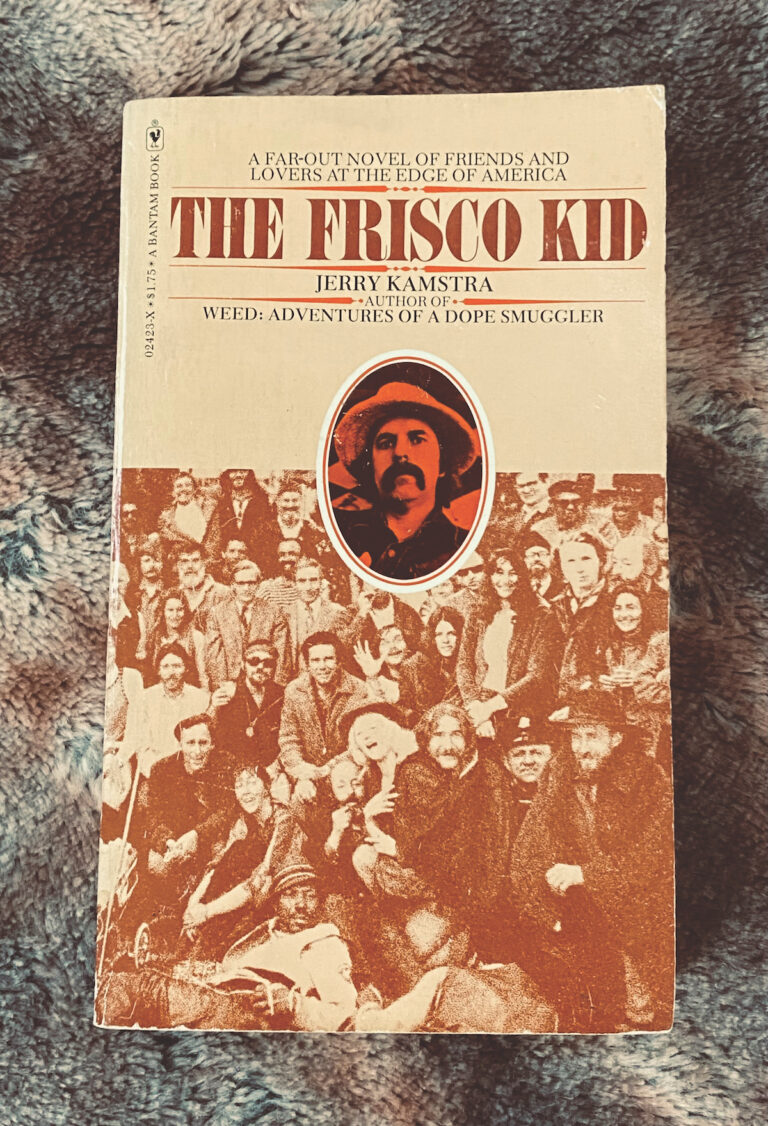
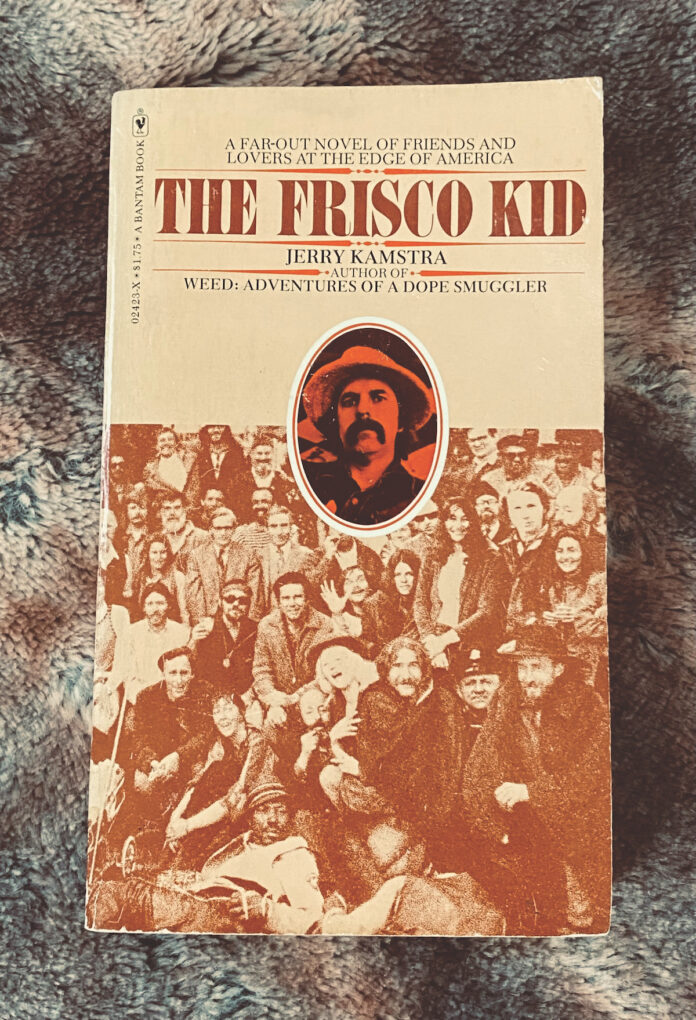
Twenty five years ago, while living in San Francisco and attending a class taught by poet Diane di Prima, I happened upon a Beat anthology which contained a bittersweet morsel from a book called The Frisco Kid, by Jerry Kamstra. My curiosity peaked, I did some research and tracked down a copy, and the book—a raw, poetic reminiscence of Kamstra’s time spent among the Beatniks of San Francisco’s 1950s-era North Beach—proved to be the most beautiful and heart-rending book I’ve ever read. Four copies now sit on my bookshelf, along with a copy of Kamstra’s Weed: Adventures of a Dope Smuggler.
So taken with The Frisco Kid was I, that a few years later I left a message in a Beat-related chat room inquiring as to whether anyone knew what had become of Kamstra. I received a response from a man who told me that Kamstra lived in Santa Cruz. He also related a story that was as haunting as Kamstra’s own memoir: His mother, an up-and-coming singer in San Francisco’s underground countercultural cafe scene, had overdosed in a hotel room in La Paz, Baja California, in the mid-1960s, leaving him, a toddler, alone with her body until they were discovered. His father, a renowned San Francisco Beat painter named Michael McCracken, had died tragically and in obscurity in a London hospital not long after, leaving him orphaned. Both his parents had known Kamstra.
Kamstra himself outlived his North Beach colleagues by over 50 years; he died in 2019. Through his obituary I was finally able to learn his entire life story, which, unsurprisingly, was far more interesting than I could have imagined. Knowledge was never so bittersweet.
The Beatniks are all but gone now. Only their literature remains, and much of that is lost in the dustbin of history. I was fortunate to know one Beat writer in person—Diane di Prima. During the year and a half I spent under her tutelage, I learned to fine-tune my own writing to an uncanny degree and to embark upon magical journeys through my imagination. It was during one such inner journey that I met an iteration of another of my Beat literary icons: the ghost of William S. Burroughs. But that is a story for another time.
Mark Fernquest lives and works in Northern California. He imagines he is a writer.
The winter of 2022 may prove to be a winter none of us ever forget. It’s the Omicron winter. Stress levels are at an all-time high as we enter it. Too many people living quarantined in too-small houses sets a bad foundation for any season. It’s cold and it’s wet and shutdowns are in effect in many places as...
I’m of the generation that saw Star Wars in the theater in 1977 as a young child, and since then I’ve watched the original trilogy more times than I can count. A few years ago—after embarking on the spiritual journey to defeat the “dragon,” awaken the “sleeping princess” and find the “Grail Castle”—hint: it’s just a left and a...
This past year—2021—was supposed to be the year that live theater came roaring back, and it did … for a while. By the end of the year, that roar had been replaced by a hacking cough symptomatic of exposure to the Omicron variant of the coronavirus.
Theaters once again began to cancel or postpone performances as casts and crews—and audiences—found...
In the streaming era it’s easy to believe that books are falling by the wayside. Even I, an avid reader and literature major, find I need small nudges and reminders to crack the next book rather than open an article on my phone, pop on a podcast or couch it up for the next Ozark episode.
Change is inevitable, and...
Online
Climate Action
With diverse agriculture and robust university-level science programs, California is uniquely positioned to develop and enact community-based solutions to widespread challenges posed by climate change. The book Climate Stewardship: Taking Collective Action to Protect California, written by California Naturalist Program founder and author Adina Merenlender with Brendan Buhler, gives readers the tools to get involved in climate action...
In reference to your Dec. 29th issue, the letter from Mr. Neil Hammaris (“Historical Veracity”) whitewashed the treatment of the now mostly extinct indigenous tribes of what we now call the San Francisco Bay Area, and shows his profound ignorance of history. The indigenous people did not want or need anything from the Europeans—not their presence, religion nor inventions.
The...
When he’s not writing, Jonah Raskin is writing; which is to say he is always writing.
The prolific author and frequent contributor to the Bohemian and Pacific Sun seems to publish something every year. And nothing changed during the pandemic.
Out now, Raskin’s latest literary wonder is the novel, Beat Blues: San Francisco 1955, which features fictional cameos by several of...
Love comes first: We need unity, forgiveness and peace to find a loving solution.
We understand we all need understanding, and we should agree to try our best to create it. Only experience and facts are the way to guide us. We know that we are different. But just because our parts are not compatible with your engine, does not...
I spend my days and years haunted by the past; whether my own or someone else’s makes little difference. My father’s intense love for Old San Francisco imprinted itself upon me at a young age, and to this day I wistfully recall a Depression-era city of drunken Swedes and striking longshoremen that I never actually experienced.
Twenty five years ago,...