Science Festival, Art Collab 2026 and Dream Hou$e on Stage

Santa Rosa

Local Lab

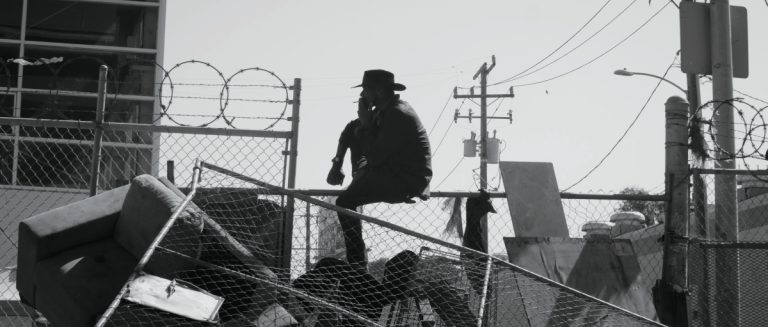
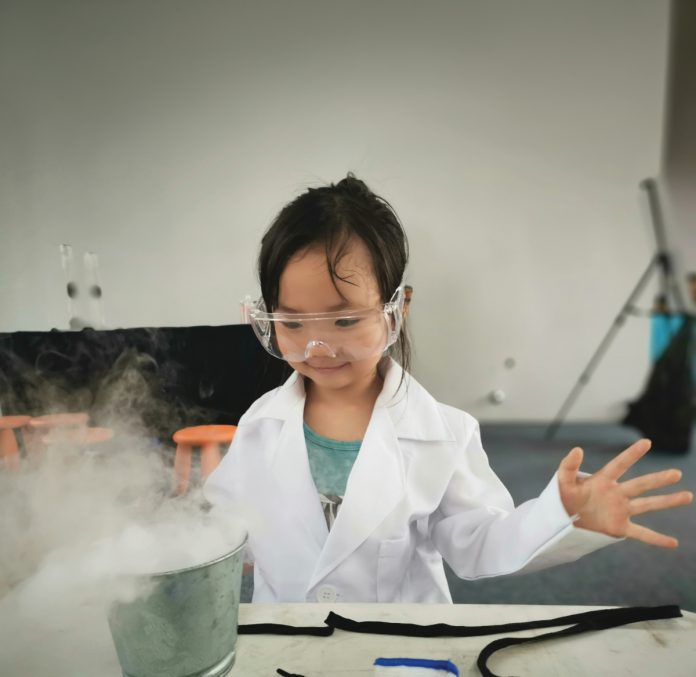
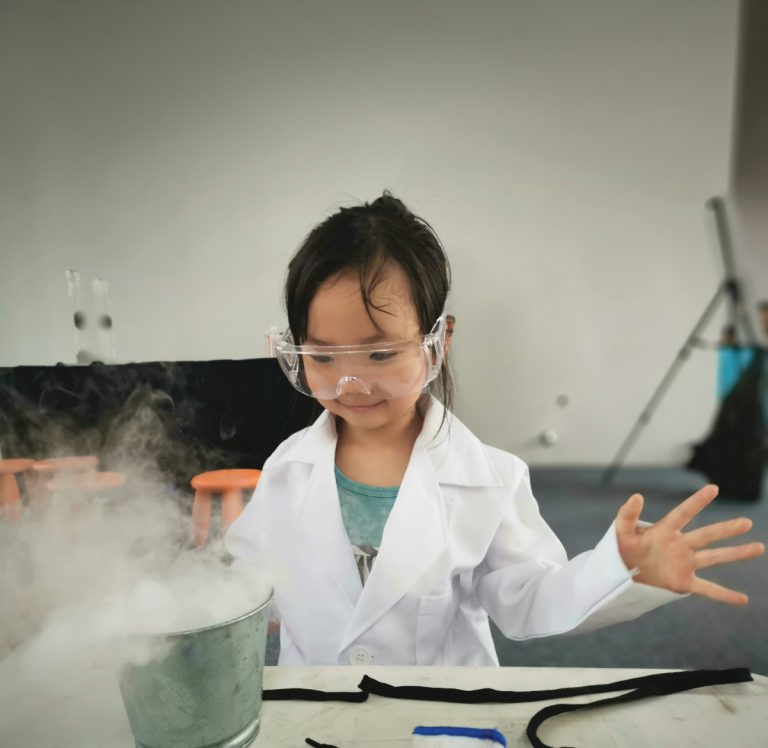
Science takes over the Sonoma County Fairgrounds when North Bay Science Discovery Day returns with more than 100 exhibitors and an expected crowd of 10,000-plus curious minds. The one-day, free festival is a kinetic celebration of STEM, where kids can explore everything from rockets and robots to beehives, sharks and animation—rain or shine. Among the exhibitors this year is AspireED, whose mission centers on expanding access to STEM education. At their booth, children ages 4–12 can dive into hands-on investigations exploring invisible ink, ultraviolet-reactive beads and the microscopic world—complete with self-made slides and live brine shrimp under the lens. High school volunteers will also distribute 500 free STEM activity kits, with instructions in both English and Spanish. From big-name organizations like Tesla, Kaiser, Medtronic and Lucasfilm to local nonprofits equally devoted to sparking curiosity, the day is built around conversation, experimentation and discovery. Admission and parking are free; no tickets required. 10am–4pm, Saturday, March 7, Sonoma County Fairgrounds, Santa Rosa. northbayscience.com.

Petaluma

Art Collab

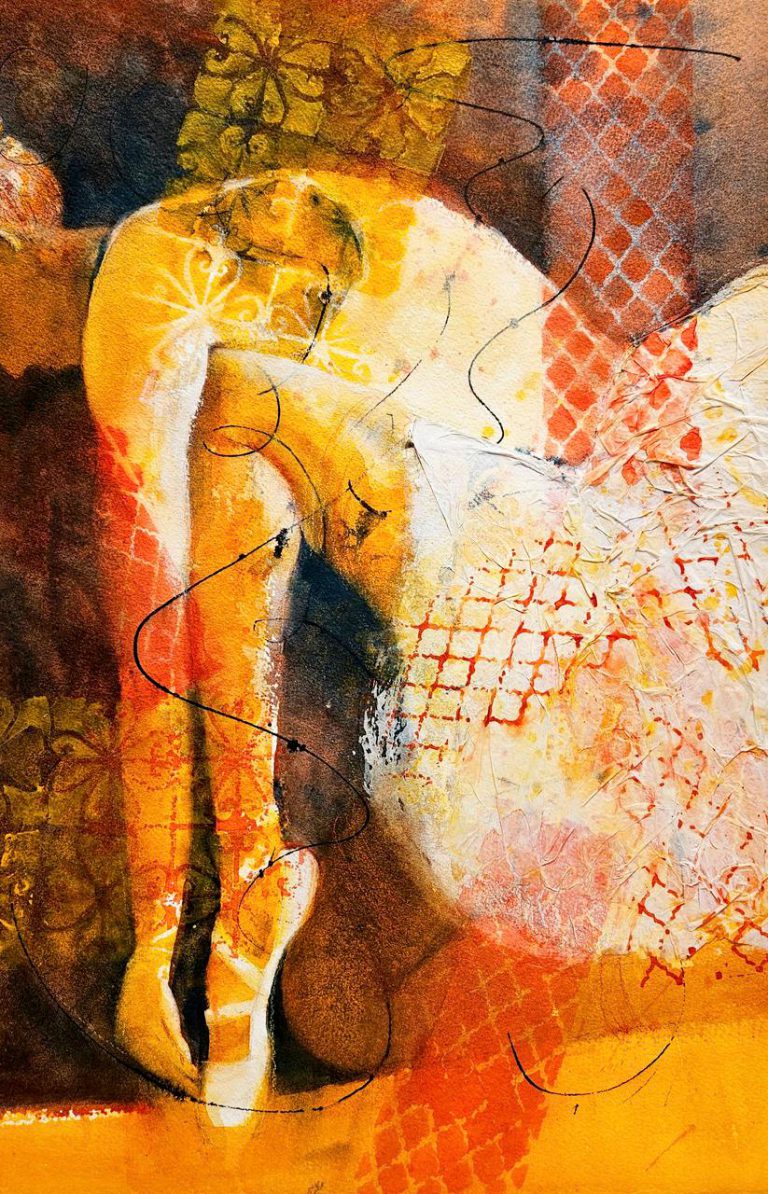
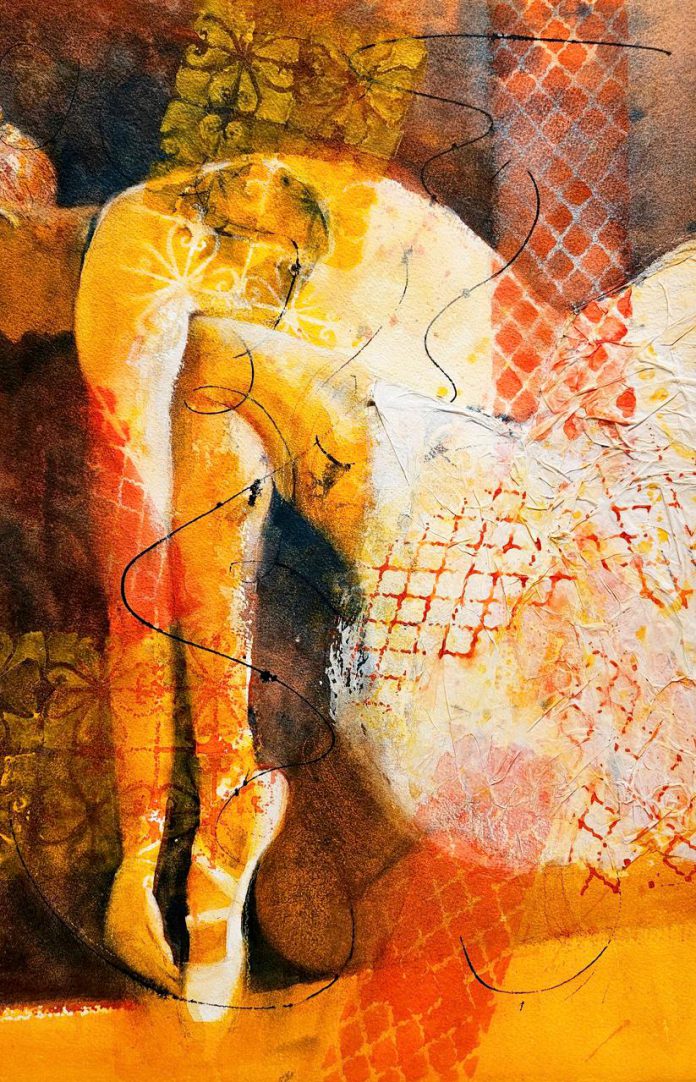
Collaborative Works 2026 brings together paintings and textiles by Anna Rochester and Barbara Libby Steinmann, whose practice hinges on direct, simultaneous collaboration. Drawing inspiration from the natural landscapes of Marin and Sonoma counties, the pair apply their respective skills to each piece at the same time, creating layered works that are both organic and intentionally intertwined. The result ranges from large-scale statements to more intimate pieces, each reflecting a shared visual language shaped in real time. An opening reception at Usher Gallery offers a chance to meet the artists, hear live music by Rojo, and enjoy light refreshments and wine while exploring the exhibition. Rochester and Libby Steinmann also serve as co-directors of Connect the Dots Art Studio, a Marin-based nonprofit devoted to community-centered art experiences. Reception 5–8pm, Saturday, Feb. 28; exhibit runs now through March 22, Usher Gallery, 1 Petaluma Blvd. N., Petaluma.

San Rafael

Arts & Crafts

Spring gets a handmade welcome at the Marin Spring Arts & Crafts Show, where more than 200 artisans fill the Marin Center Exhibit Hall with woodwork, textiles, ceramics, jewelry, furniture, artisan foods and more. Inspired by the legacy of the Arts & Crafts movement, the weekend-long marketplace celebrates craft in its purest form—objects made by the hands of the people selling them. Beyond the booths, the show offers live music, hands-on workshops, wine tasting and door prizes, making it less a shopping trip than a full-day immersion in creativity. It’s an easy excuse to wander, discover something one-of-a-kind and support working makers across disciplines. 10am–5pm, Friday–Sunday, Feb. 27–March 1, Marin Center Exhibit Hall, 20 Ave. of the Flags, San Rafael. Free admission and free parking. marinartsandcraftsshow.com.

Kentfield

Dream Hou$e

Reality TV meets family reckoning in Dream Hou$e, a sharp, crowd-pleasing comedy staged at the College of Marin’s James Dunn Theatre. Two Latina sisters appear on an HGTV-style show to sell their childhood home, but as the renovation narrative unfolds, the edges blur and the surreal slips in. What begins as a familiar property makeover becomes a pointed exploration of cultural identity, memory and the true cost of “progress.” Blending humor with heart, the play asks whether cashing in is the same as selling out—and who gets to define value in the first place. 7:30pm, Friday–Saturday, Feb. 27–28; 2pm, Sunday, March 1; additional performances through March 6, James Dunn Theatre, College of Marin Performing Arts, 835 College Ave., Kentfield. Free. Go to bit.ly/com-dreamhouse.

Free Will Astrology, Feb. 25 – Mar. 3

0

ARIES (March 21-April 19): In woodworking, “spalting” occurs when fungi colonize wood, creating dark lines and patterns that make the wood more valuable, not less. The decay creates beauty as long as it isn’t allowed to progress too far. Here’s the metaphorical moral of the story for you, Aries: What feels like a deteriorating situation might actually be spalting. Are you experiencing the breakdown of a routine, a certainty or a plan? It could be creating a pattern that makes your story even more interesting and heroic. So keep in mind that an apparent decomposition may be transforming ordinary into extraordinary beauty. My advice is to play along with the spalting. 

TAURUS (April 20-May 20): I suspect you will soon be invited to explore novel feelings and unfamiliar states of awareness. As you wander in the psychological frontiers, you might experience mysterious phenomena like the following. 1. An overflow of reverence and awe. 2. Blissful surprise in the face of the sublime. 3. Sudden glimmers of eternity in fleeting moments. 4. A soft, golden resonance that arises when you hear arousing truths. 5. Amazingly useful questions that could tantalize and feed your imagination for months and even years to come.

GEMINI (May 21-June 20): If I were your mentor, I’d lead you up an ascending trail to a high peak where your vision is clear and vast. If I were your leader, I’d give you a medal for all the ways you’ve been brave when no one was looking, then send you on an all-expenses-paid sabbatical to a beautiful sanctuary to rest and remember yourself. If I were your therapist, I’d guide you through a 90-minute meditation on your entire life story up until now. But since I’m just your companion for this brief oracle, I will instead advise you to slip out of any silken snares of comfort that dull your spirit, cast off perks and privileges that keep you small, and commune with influences that remind you of how deeply you treasure being alive.

CANCER (June 21-July 22): Biologist Barbara McClintock won the Nobel Prize by developing what she called “a feeling for the organism.” She cultivated an intimate, almost empathic relationship with the corn plants she studied. She didn’t impose theories on her subjects. She listened to them until she could sense their hidden patterns from the inside. When you’re not lost in self-protection, you Cancerians excel at this quality of attention. Here’s what I see as your task in the coming weeks: Transfer your empathic genius away from people who drain you and toward projects, places or problems that deserve your devotion and give you blessings in return.

LEO (July 23-Aug. 22): Sufi writers describe heartbreak, grief and longing as portals through which divine love enters. They say that a highly defended ego and a hardened heart can’t engage with such profound and potent love. In this view, suffering that makes the heart ache strips away illusions and fixations, allowing greater receptivity, humility and tenderness toward all beings.​ I’m not expecting you to get blasted by an influx of poignancy in the near future, Leo, but I’m very sure you have experienced such blasts in the past. And now is an excellent time to process those old breakthroughs disguised as breakdowns. You are likely to finally be able to harvest the full power they offered you.

VIRGO (Aug. 23-Sept. 22): In traditional Balinese culture, Tri Hita Karana is a concept that means there are three causes of well-being: harmony with God, harmony with people and harmony with nature. When one is out of balance, all suffer. I’m wondering if you would benefit from meditating on this theme now, Virgo. Have you been focused on one dimension at the expense of the others? Are you, perhaps, spiritually nourished but socially isolated? Or maybe you’re maintaining relationships but ignoring your body’s connection to the earth? Here’s your assignment: Do a Tri Hita Karana audit. Which harmony is most neglected? Add to your altar, call a friend or go walk in the great outdoors—whichever one you’ve been shortchanging.

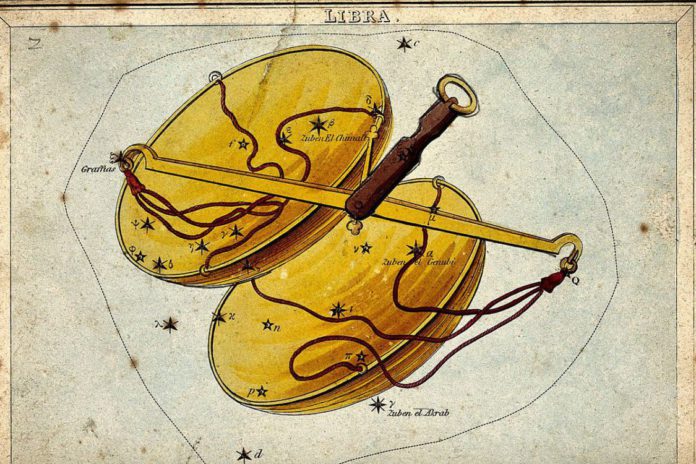
LIBRA (Sept. 23-Oct. 22): You are a diplomat in the struggle between beauty and inelegance. Your aptitude for creating harmony is a great asset that others might underestimate or miss completely. I hope you will always trust your hunger for classiness, even if others dismiss it as superficial. One of your key reasons for being here on Earth is to keep insisting on loveliness in a world too quick to settle for ugliness. These qualities of yours are especially needed right now. Please be gracefully insistent on expressing them wherever you go.

SCORPIO (Oct. 23-Nov. 21): The bad news: You underestimate how much joy and pleasure you deserve—and how much you’re capable of experiencing. This artificially low expectation has sometimes cheated you out of your rightful share of bliss and fulfillment. The good news: Life is now ready to conspire with you to raise your happiness levels. I hope you will cooperate eagerly. The more intensely you insist on feeling good, the more cosmic assistance you will garner. Here’s a smart way to launch this holy campaign: Renounce a certain lackluster thrill that diverts you from more lavish excitements.

SAGITTARIUS (Nov. 22-Dec. 21): In classical music, a “rest” isn’t the absence of music. It’s a specific notation that creates space, tension and meaning. The silence is as much a part of the composition as the sound. I suggest you think of your current pause this way, Sagittarius. You’re not waiting for your real life to resume. You’re in a rest, and the rest is an essential part of the process you’re following. It’s creating the conditions for what comes next. So instead of anxiously filling every moment with productivity or distraction, try honoring the pause. Be deliberately quiet. Let the silence accumulate. When the next movement begins, you’ll understand exactly why the rest was necessary.

CAPRICORN (Dec. 22-Jan. 19): Interesting temptations are wandering into your orbit. You may be surprised to find yourself drawn toward entertaining gambles and tricky adventures. How should you respond? Should you say, “Yes. Now. I’m ready.”? Or is open-minded caution a wiser approach? Conditions are too slippery for me to arrive at definitive conclusions. What I can tell you is this: Merely considering and ruminating on these invitations will awaken uplifting and inspiring lessons. P.S.: To get the fullness of the blessings you want from other people, you must first give them to yourself.

AQUARIUS (Jan. 20-Feb. 18): The engineer Nikola Tesla (1856-1943) said he envisioned his inventions in intricate detail before building them. He didn’t need literal prototypes because his mental pictures were so vivid. I suspect you Aquarians now have extra access to this power. What scenarios are you dreaming of? What are you incubating in your imagination? I urge you to boldly trust your thought experiments. Your mental prototypes may be unusually accurate. The visions you’re testing internally are reconnaissance missions to futures that you have the power to build. Regard your imagination as a laboratory.

PISCES (Feb. 19-March 20): Sufi mystics tell us that the heart has “seven levels of depth,” each one bearing progressively more profound wisdom. You access these depths by feeling deeper, not thinking harder. Let’s apply this perspective to you, Pisces. Right now, you’re being called to descend past surface emotions (irritation, worry, mild contentment) into the layers beneath: primal wonder, the wild joy you’re sometimes too cautious to express and the sacred longing that can lead you to glory. This dive might feel risky. That’s good. It means you’re going deep enough. What you discover down there will reorganize everything above it for the better.

Homework: What’s the most taboo thing you want? Can you make it any less taboo? Newsletter. FreeWillAstrology.com.

Manifesto

I am an ant

insignificant in size

one of too many

working through life

in service to power

I am powerless

joining in the belief

that I matter

I am needed

I have something to offer

In wonder I crawl

infinitely simple

destroyed by the smash

of a large hand

Not the hand of God

which does not seem to exist

Only the steel of a sword

or the grimy smell of money

host our time of living

What is my purpose?

How can I rise?

Must I lie to you?

Must I lie to myself?

I strive to be Queen of the mount

the mistress of God

the Goddess

To shape lives into righteousness

to give birth to innocence

the innocence of trust

to be trusted in return

I want to hold power in my heart

like the solar energy of hope

a light to hold the expansion

of each and every heart

I wish to believe

in the circle of our animal existence

where we depend on one another

and lift each other up

For our brains to perceive

For our eyes to have sight

and cry together

I am an angel

with wings to envelop

all human experience

To care like a mother

for the smallest corporeal existence

for the weakest emotional expression

for the frightened

who strike out to survive

only to fall

forgotten

I will remember

our breath is the wind

Know we all can fly

Rebecca O. Jones lives in San Rafael and is a member of the O’Hanlan Art Center Poetry Collective in Mill Valley, The Redwoods Writers in Sonoma County and Marin Poetry Center.

Creations in Clay: Sausalito’s Heath Ceramics Celebrates 78 Years of Timeless Design

Ceramicist Edith Heath and her husband, Brian Heath, made many weekend trips to different California locales in search of the perfect clay for her pottery. 

But it was the artisan community of Sausalito that captured the couple’s imagination, and in 1946 they put down roots in the waterfront city. Prior to that, the Heaths lived in San Francisco, where Edith Heath made dinnerware for Gump’s after a buyer discovered her ceramics at a 1944 Legion of Honor Museum exhibit. It wasn’t long before other retailers came calling for her work.

The Heaths opened a studio in downtown Sausalito. Subsequently, the couple purchased a barge, the Dorothea, docking her at a Sausalito shipyard where they converted her into a unique home. They then lived and worked in the quaint city on Richardson Bay.

A game changer for the couple soon happened—they replaced the potter’s wheel with jigger machines that used molds to create Edith Heath’s simple yet elegant tableware, substantially increasing production. She did not hesitate to make her art with machines.

In 1948, the husband-and-wife team founded Heath Ceramics to keep up with retail demand. Edith Heath served as the driving creative force behind the company, constantly testing materials, using chemistry to perfect her clay and glazes, and coming up with new designs. Brian Heath managed the business side. Although the following year the Heaths floated the Dorothea to Tiburon, they kept their growing business in Sausalito.

Heath Ceramics eventually needed to expand beyond the capacity of the downtown studio space. The duo purchased property on Gate 5 Road, in the heart of Marinship on the north end of Sausalito, to build a factory. Edith Heath worked with two influential architects of the time, Marquis and Stoller, on the design of the mid-century modern facility. Centered around a courtyard, in true Heath style, the building combines minimalist form with function. It was constructed in 1959, with a store added in the late 1960s.

Also in the 1960s, the company added architectural ceramic tiles to their line of products. The tiles were found on the inside and outside of buildings across the country, including Neiman Marcus in Dallas, Pasadena’s Norman Simon Museum and the Ford Foundation building in New York, according to a 1971 article in the Sausalito Marin Scope.

The tile installations brought new attention to Edith Heath. In 1971, she was awarded the prestigious Industrial Arts Medal from the American Institute of Architects, the first non-architect to receive the honor.

For more than five decades, through economic peaks and valleys, the Heaths owned and operated the renowned ceramics company. Brian Heath died in 2001, and Edith Heath in 2005. However, two years before her death, Edith Heath sold Heath Ceramics to Catherine Bailey and Robin Petravic. It seemed like an opportune passing of the mantle, with Bailey and Petravic also a husband-and-wife team making their home in Sausalito.

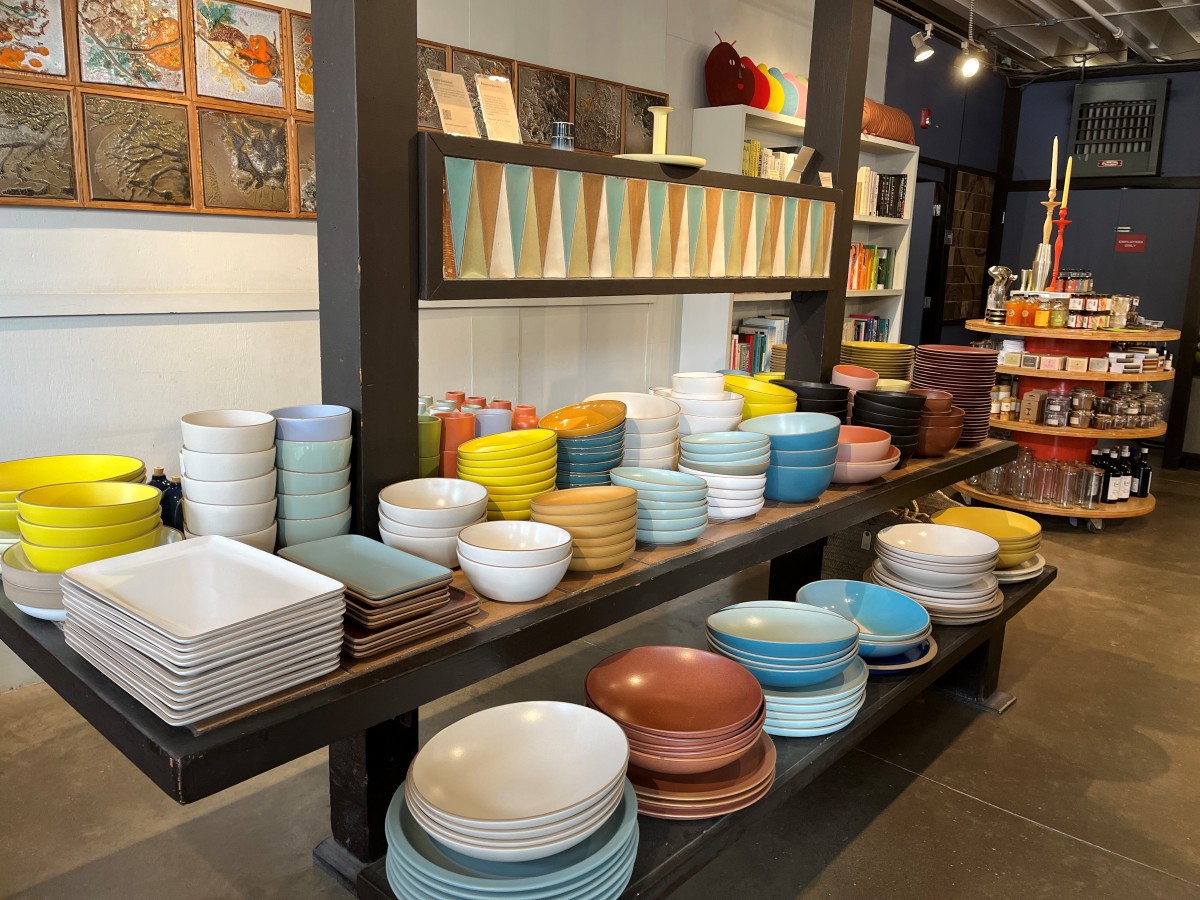
REFINED Dinnerware on display in Heath Ceramics’ Sausalito showroom. Photo by Nikki Silverstein

After 78 years, the business is thriving, still producing the acclaimed dinnerware in the Sausalito factory using the same methods as the Heaths. Bailey attributes the company’s longevity to Edith and Brian Heath’s complementary strengths.

“Edith’s aesthetic sensibility, material curiosity and perceptive design instincts produced original, functional products rooted in place,” Bailey said. “Brian brought business acumen and mechanical know-how to actually make those products at scale. Owning their factory reduced financial pressure as culture and markets shifted, allowing them to persevere for decades.”

The foundation of Edith Heath’s work guides the company today, Bailey added. Some examples include the simplicity of her designs, employing glaze as a surface and structure, and using ceramics for both architectural tile and tableware.

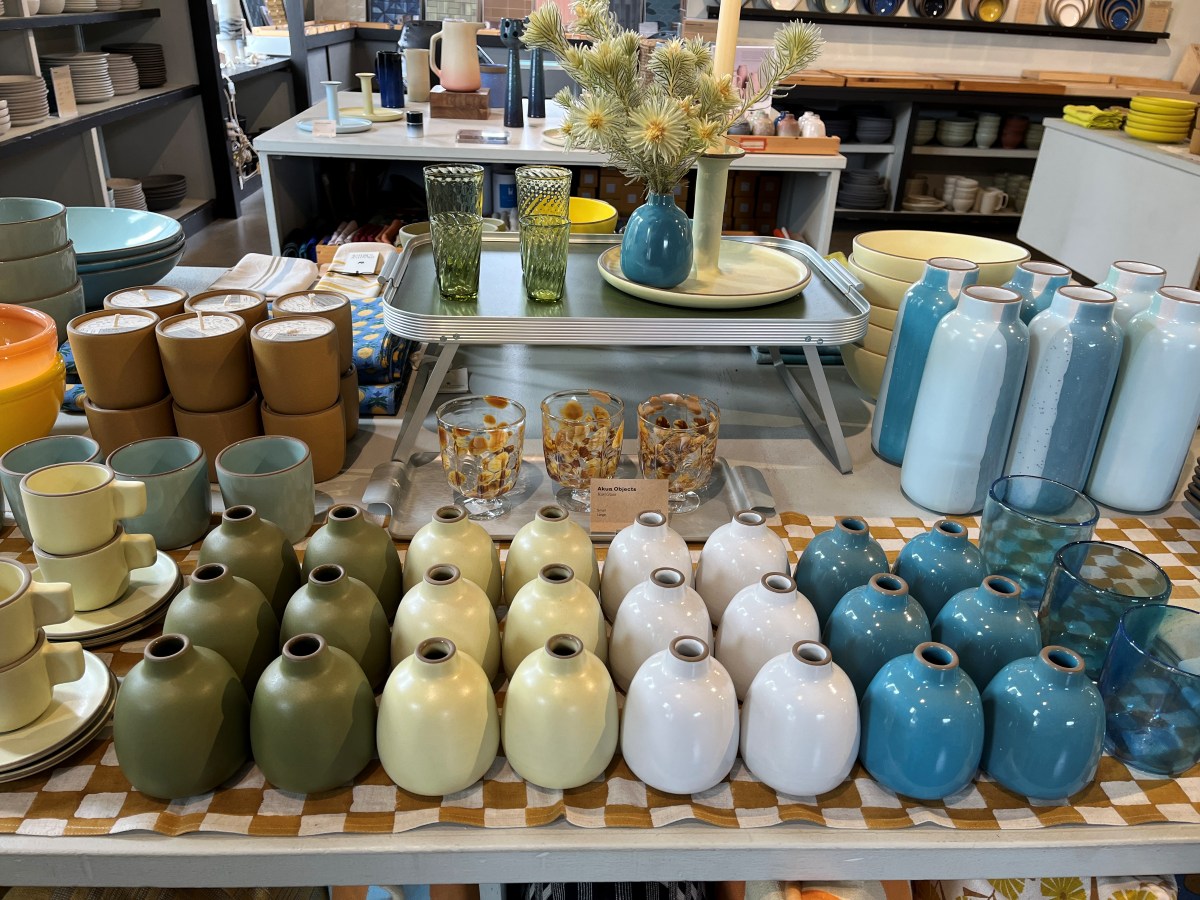
FORM AND FUNCTION Heath Ceramics produces two seasonal collections each year, offering a variety of tableware in different colors.

Yet Bailey and Petravic have made changes to revitalize the enterprise. In 2012, Heath Ceramics opened a 60,000 square foot facility in San Francisco’s Mission District that houses the design studios and tile factory. The company also has showrooms in the San Francisco Ferry building, Los Angeles and Austin.

The Sausalito factory and showroom remain an integral part of the operation, with all the dinnerware produced there. Unfortunately, king tides and storm surges cause flooding at the bayside property. January brought significant floodwater to the parking lot, and it reached up the sides of the building. Despite the recurring issue, Heath Ceramics remains in Marinship.

“The Gate 5 facility is our roots and is a living part of our identity,” Bailey said. “That said, rising sea levels and the building’s siting create real long‐term risks. Expanding to San Francisco is part of our strategy to reduce the vulnerability of having everything concentrated in a flood‐prone site.”

A guided tour of the Sausalito factory provides an up-close look at the materials and production process, from the 600-pound bags of dry clay sourced from a Lincoln, California quarry to glaze experiments and kilns firing at 2000 degrees. I took a tour along with a small group of excited Floridians, each person a Heath enthusiast.

“As you walk through the factory, you’ll notice everything is built on a human scale, not machine scale,” tour guide Marissa Schow said. “Edith really wanted the machine to be an extension of the artist’s arm.”

In the clay-making room, the dry material from the quarry is mixed with water and processed to form giant logs of dough-like clay. From there, the clay for each piece is placed in a mold, giving the product its shape. While the stoneware is not hand-thrown, interestingly, all mug handles are attached by hand.

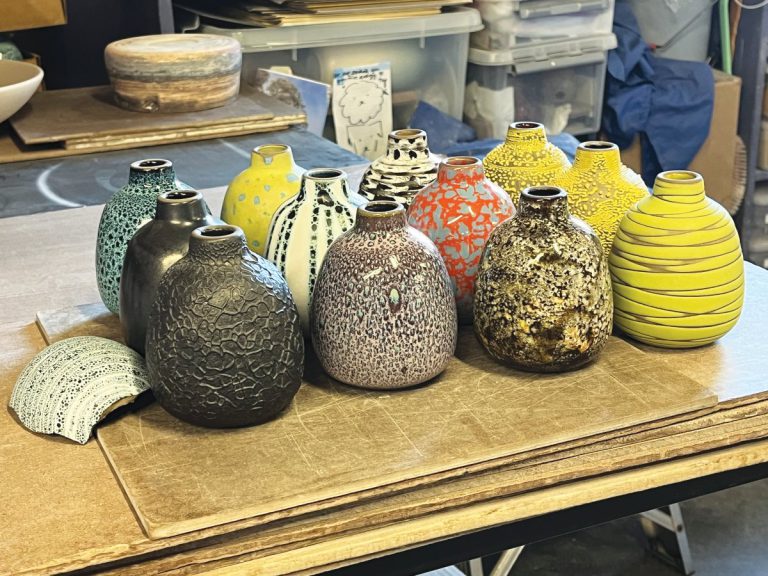
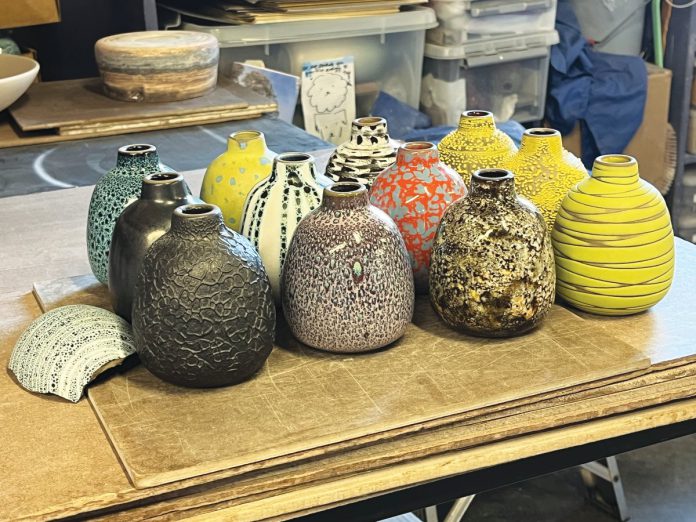
Next up is trimming, followed by the glazing process. Seasoned craftspeople spray the glaze on each piece. Master glazer Winnie Crittenden, who has worked at Heath Ceramics for 51 years, formulates the signature glazes, often experimenting on small bud vases.

Pieces are then fired in one of the factory’s six gas-powered kilns. Finally, products go to quality control to ensure that they meet Heath Ceramics’ precise standards. Seconds are sold at a discount in the store.

The factory’s 40 employees produce 800-900 pieces of dinnerware a day, Schow said. No longer sold through retail stores, Heath Ceramics’ products can only be bought in the company’s four showrooms or through its website.

Schow, a ceramicist, says that Heath Ceramics’ products stand the test of time and have become family heirlooms. While giving tours, she has met people who have had their dinnerware for decades, with one person owning a collection for 70 years.

While much has stayed the same at Heath Ceramics, like the classic Coupe plate which has been in production since the 1940s, Bailey and Petravic continue to propel the company forward. In 2023, Heath Ceramics became a Certified B Corporation, a for-profit business that meets verified social, environmental and governance standards.  

“When Robin and I took over, the key was adapting the positive and unique things about the products, but with an openness to expanding and curating them,” Bailey said. “We kept design and production under one roof, a rare ambition that reinforced Heath’s uniqueness, and paired that with a new business model and evolved communications and retail strategies. We have remained committed to making our products in the Bay Area, and investing in our factories, our highly skilled team and our community.” 

Visit Heath Ceramics’ Sausalito factory and showroom at 400 Gate 5 Rd. For more information, go to heathceramics.com.

Life Saver: Bard-Inspired Solo Show in Berkeley

So much is said by us theater artists about theater being our sanctuary, and how theater “saved us” by giving us a place to belong. However, as Jacob Ming-Trent makes clear in his new one-man show, How Shakespeare Saved My Life (directed by Tony Taccone and now playing at Berkley Rep through March 1), it’s not the building but the people inside who matter.

This 95-minute show is a semi-autobiographical version of Ming-Trent’s lifelong devotion to Shakespeare. The sometimes-rapped, sometimes-acted, sometimes-narrated story spins through an urban landscape usually thought of as worlds apart from the River Avon. Exploring themes of toxic families, emotional abuse, homelessness, drug abuse, homicide, loneliness, suicide, generational curses, despair and rage, it also resonates with laughter, joy, love and redemption. In short, Shakespeare would have loved this.

The deceptively bare bones set (Takeshi Kata) is highly effective in its versatility and attention to detail, especially when paired with excellent projections (Alexander V. Nichols) and the thoroughly theatrical light (Alan C. Edwards) and sound (Jake Rodriguez) designs. Rarely do designers get to be over-the-top theatrical in these days of realism and shrinking budgets. But the tempest that occurs three-quarters of the way through is a potent example of the magic that can happen when all the artists are allowed to work together to create their best art.

Fair warning: If one prefers their theater experience more traditional, sitting silently in a dark room voyeuristically watching characters unaware of their presence, this may not be the play for them. House lights are up for much of the time, and Ming-Trent interacts with the audience as both a fourth-wall-breaking narrator and a spiritual leader, guiding us down the path to forgiveness and salvation… No, really, there’s even an altar call of sorts. (Don’t worry, one doesn’t have to leave their seats, and no one will lay hands on them to pray. Unless they want them to, I suppose.)

It is inevitable, as we navigate the current anti-free-speech society, that for budgetary (and other) reasons, there will be smaller shows including more one-person productions (though it is not a new phenomenon by any means). In a culture where funds are limited and people are scared to be too loud, it’s refreshing that Berkley Rep has continued to honor the very voices that certain leaders wish to silence. 

More importantly, it’s an honor to watch an artist of Ming-Trent’s caliber work. One might even call it sacred.‘How Shakespeare Saved My Life’ runs through March 1 at Berkeley Repertory Theatre, 2025 Addison St. Tue–Sun, various times. $25–$147. 510.647.2949; berkeleyrep.org.

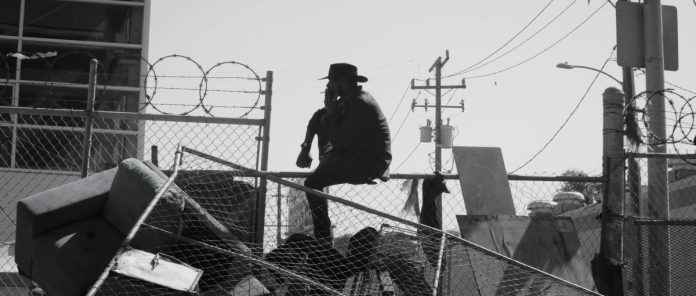
Tents in Tech Land, a Tiburon Author Examines Bay Area Housing Disparities

According to a recent study conducted by the UCSF Benioff Homelessness and Housing Initiative, California holds the distinction of hosting a third of the homeless population in the country. Santa Clara County—the central hub of tech-centric Silicon Valley—has the highest number of homeless people in the Bay Area, at approximately 10,700, as revealed in last year’s point-in-time count.

Author Brian Barth spent more than two years frequenting three homeless encampments in Silicon Valley, putting names and faces to the numbers and statistics. “In the beginning, I just wanted to understand the lives of the poorest people in the wealthiest region of America,” Barth writes in his new book, Front Street: Resistance and Rebirth in the Tent Cities of Techlandia, which he will present at Book Passage in Corte Madera, Saturday, Feb. 28.

“We kind of only talk about homelessness as an individual experience,” says Barth, who lives in Tiburon and has written for The New Yorker, Washington Post, The New Republic, National Geographic and Mother Jones. “I was so enamored with the people and intrigued by their stories. I wanted to understand the scale of the problem, and what these sort of village-like camps were about. They had created an incredible amount of infrastructure, and a network and community around them.”

Barth began visiting the homeless encampments in 2020, namely Wood Street in Oakland, Crash Zone in San Jose and Wolfe Camp in Cupertino, which is located near Apple’s headquarters. Along the way, he befriended more than a dozen homeless people from various backgrounds. Some have college degrees, had careers and served in the military. Others had been incarcerated and institutionalized. One man was the father of nine children, and another was living with AIDS. 

They had a myriad of reasons for why they wound up unhoused (addiction, mental health struggles, generational poverty, bad choices) and just as many reasons for why they preferred to stay that way (sense of community, distrust of authority, rebelliousness).

“It’s not entirely economics,” says Barth. “They don’t have that ability to deal with the world as it is. When things complicate their housing stability, they don’t bounce out of it. They don’t pull themselves up by their bootstraps. They fall through the cracks.”

As the book’s subjects explain, “Front Street” or “doing Front Street” is to live openly and unashamedly in public.

“It basically just means being out on the sidewalk,” says Barth. “When people recently become homeless, they’re so ashamed by that. They’re gonna hide wherever they can. There’s so much psychology around hiding. But after they adjust to life on the streets, they embrace it. They become rebellious. In a way, it can force a reckoning and a conversation to happen.”

Barth is currently working on finishing a documentary called The Spark, about Wood Street, once the largest homeless encampment in Northern California. He writes that the process of going from journalist to friend of the unhoused not only helped him “connect across the poverty veil” but learn more about himself.

“Accompanying people on their healing journey was a rare and sacred thing. I wanted to share all that. It motivated me to support them. I saw this was valuable. I’m learning something about being human,” Barth notes. “It’s  not just about charity, writing a check or bringing a loaf of bread. There’s a reciprocal exchange. And it’s a priceless, human exchange that I think so many people would appreciate having.”

Tiburon’s Brian Barth presents his book, ‘Front Street: Resistance and Rebirth in the Tent Cities of Techlandia,’ at 4pm, Saturday, Feb. 28, at Book Passage, 51 Tamal Vista Blvd., Corte Madera. bit.ly/barth-front-st.

Your Letters, Feb. 18

No Map Flap

The Supreme Court ruled that California this fall may use its new election map, which is expected to send five more Democrats to Congress. Oops. The main difference is that Californians voted for this, whereas other states mandated theirs. The Chump Administration and the GOP now wanted to ‘nationalize’ the voting process.

Let’s not forget that Chump called Georgia to find votes. Isn’t (Wasn’t) that an attempt at election fraud?

On that note, what was (is) wrong with the current process?  

Gary Sciford
Santa Rosa

Erstwhile Influence

Much has been made in the news recently about the extent of the late Jeffrey Epstein’s chokehold, even well past his unfortunate passing, on human endeavors across the globe. He has his dead fingers in presidential politics, the U.S. legal system, the situation in the Middle East, scientific research, alternative child-raising methods, the royal family and higher education, to name a few.

In my lifetime of roughly 75 years, I can think of only one other person who has had this sort of overwhelming impact upon all aspects of our society. 

Of course, I’m referring to Chuck Norris.

Craig J. Corsini
San Rafael

An Art Showcase ‘Celebrating Women’ and ‘Imagined Worlds’ at A Cedars Gallery

0

Healdsburg

Celebrating Women

Upstairs Art Gallery marks Women’s History Month with “Celebrating Women,” a vibrant showcase of watercolor paintings by Sonoma County artist Tosya Shore. Her works honor women in all their facets—capturing fleeting, intimate moments with bold shapes and interlacing patterns that elevate the everyday. Also featured in the Stairway Smallworks Showcase is Donna Schaffer’s “Ooh La La, Plein Air,” a collection of oil paintings created on a recent trip to France. Schaffer roamed the streets of Paris with palette in hand, rendering café culture and iconic landmarks—including an evocative take on the Eiffel Tower—in brisk, atmospheric strokes. Reception 4–6pm, Saturday, March 7; exhibit runs Feb. 23–March 29, Upstairs Art Gallery, 306 Center St., Healdsburg. Open daily 11am–6pm. upstairsartgallery.net.

Petaluma

Art & Poetry

The Petaluma Library hosts an exhibition of art and poetry by Duane BigEagle, an Osage Native American from Oklahoma who has lived in California since 1964 and taught Native American studies at San Francisco State University, Sonoma State University and College of Marin. The show pairs visual work with poetry rooted in history, identity and lived experience, offering a reflective lens on culture and continuity. An opening reception, poetry reading and artist talk invite the public to engage directly with BigEagle’s work and voice, bringing the written word into shared space. Opening reception, reading and talk 5:30–7:45pm, Wednesday, Feb. 18; exhibit runs now through March 19, Petaluma Library.

San Anselmo

Imagined Worlds

Dragons, enchanted trees and intergalactic visitors take over Artist Within – A Cedars Gallery this month as “Imagined Worlds” opens with a celebratory reception. The effervescent group exhibition spotlights the boundless creativity of Cedars artists, whose work conjures fantastical landscapes and story-rich scenes that blur the line between dream and daylight. Beyond the painted and sculpted realms, the show also features storytelling in motion, with animated films and written tales expanding these invented universes. It’s a reminder that imagination isn’t an escape—it’s a practice. 5–7pm, Friday, Feb. 20; exhibition runs Feb. 20–June 12, Artist Within – A Cedars Gallery, 603 San Anselmo Ave., San Anselmo. Free. cedarslife.org/events.

Tiburon

Angel Island

Angel Island isn’t just a scenic silhouette in the bay—it’s a layered archive of immigration, military history and windswept trails with some of the best views around. Ranger Casey Dexter-Lee brings it all into focus at the Belvedere Tiburon Library with an in-depth look at Angel Island State Park, weaving together stories of the island’s past, its natural landscapes and the recreational riches waiting just offshore. A state park interpreter with more than 20 years dedicated to the island, Dexter-Lee connects visitors to Angel Island’s preservation efforts and hidden corners alike. Expect history, insight and perhaps a renewed urge to catch the next ferry. 6–7:30pm, Thursday, Feb. 26, Belvedere Tiburon Library, 1501 Tiburon Blvd., Tiburon. Free.

Empathy Machines. Can Films Increase Compassion?

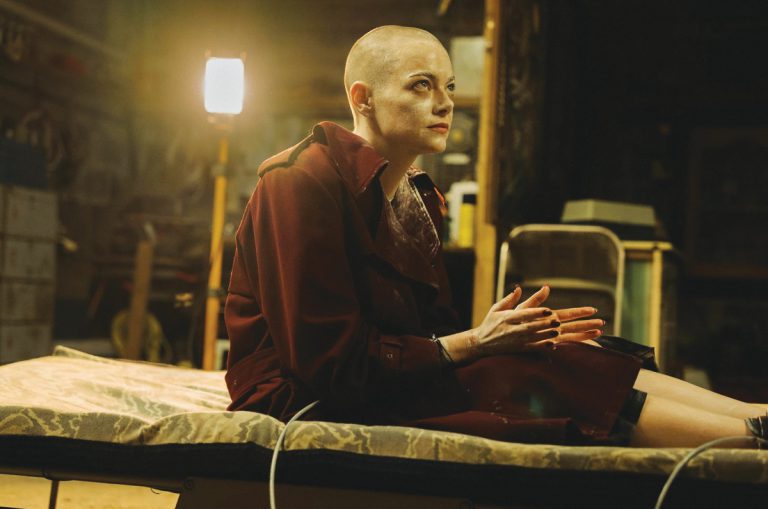
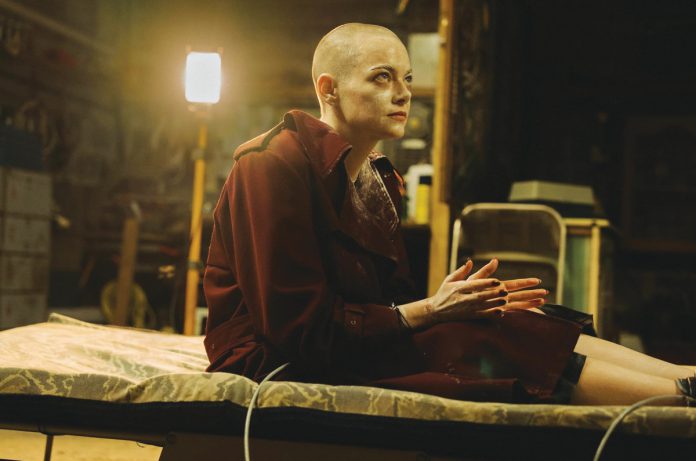
Screenwriter Will Tracy is nominated for an Oscar for his script for the film Bugonia, released in theaters last fall. Bugonia follows a disaffected paranoiac named Teddy (Jesse Plemons), who kidnaps Michelle (Emma Stone, also Oscar-nominated). Teddy, gripped with a fanatical mistrust of society at large, has convinced himself that Michelle, the wealthy CEO of an unethical pharmaceutical company, is actually an alien in disguise who plots to destroy all of humanity. 

Through this narrative lens, Tracy’s screenplay indelibly, if uncomfortably, examines several contemporary social maladies like polarization, echo chambers and a lack of empathy for our perceived enemies. 

Oscar nominee Tracy visited the local Mill Valley Film Festival when Bugonia screened there last October, and I was lucky enough to attend the film and the following Q&A. The moderator’s first query: How on Earth did Tracy write a character as unhinged as Teddy? 

Tracy gently came to his character’s defense: “Honestly, there are days where I feel like Teddy.” This was a bit of an alarming admission to make to a room full of people who had just watched Teddy’s increasingly deranged actions on the big screen for the preceding two hours. But Tracy was merely revealing that he, like any good writer, couldn’t help but feel empathy for the characters he gives life to, no matter how questionable their actions may be.

The matter of empathy is at the heart of Bugonia—key to its narrative, and its effectiveness as a work of art. Wealthy elites like Michelle ruthlessly pursue their objectives with no empathy for those who suffer the collateral damage; in turn, Teddy’s capacity to empathize with her erodes to the point where he no longer affords her basic humanity. As the mind games between Teddy and Michelle escalate, and the stakes become increasingly high, the question of empathy for those who have done terrible things becomes central to the film’s conclusion.

Empathizing with those who have done something wrong, or who hold objectionable beliefs, can be hard to do—and socially risky. Tracy even took a risk by confessing compassion for his screenplay’s demented lead character. But, of course, empathy is essential to a healthy society; we wouldn’t want to live in a world dominated by Michelles and Teddys. 

Roger Ebert once said that “films are like machines that create empathy.” I would suggest that if he was right, films are the perfect tonic for many of our current social ills. 

‘Bugonia’ is nominated for four Oscars, including Best Picture.

Beasts of the Pacific: Northern Elephant Seals at Home in Drakes Beach

I was at Drakes Beach in Point Reyes National Seashore on a day in late December. The day was notably warm for the coast, with a soft breeze and not a cloud in the sky. The water moved calmly, softly, as small waves crashed on the shore. 

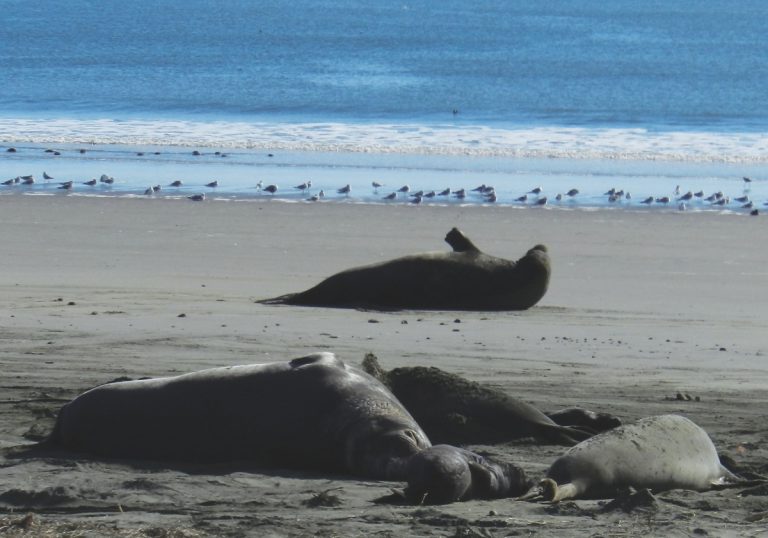
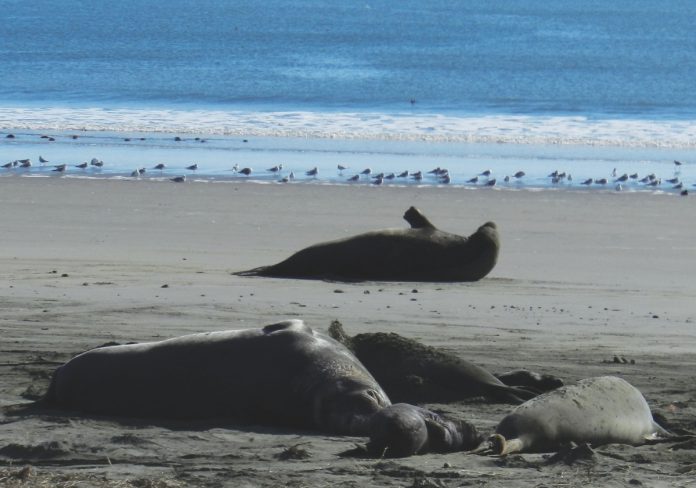
I looked onto the sand, trying to make out the movement of the mounds I saw resting there, camouflaged. The mounds themselves were northern elephant seals. These lumbering animals, ranging from 10 to 13 feet and weighing from half a ton to more than two tons, will call Drakes Beach home until the winter fades into March.

Before their arrival to Drakes Beach, they would only stop by for a day or two but not, as now, stay around to breed, as they are likely to do this very month. However, a combination of the pandemic, and calmer waters along the shore, brought with them these beasts of the Pacific.

“In 2019, that’s when they decided to move right in front of the visitor center,” Sarah Codde, marine ecologist for Point Reyes National Seashore, said. “And there was a media blitz, because that was during the government shutdown at the time.”

This shutdown, and therefore the park employees’ inability to intervene, meant they couldn’t do the work of deterring the seals, usually by waving a giant tarp at them, from moving in front of the main visitor center.

Then, the pandemic hit, also thwarting more work to prevent the seals from getting too close to the more populated areas of Drakes Beach. This essentially, in the seals’ eyes, solidified this stretch of sand as their new home.

Since this occurred, the park has now raised a small fence to deter the seals from lumbering onto the parking lot and destroying the pavement with their weight. This, along with a robust docent program of around 140 volunteers, has kept Drakes Beach accessible to visitors, still as there are hundreds of seals on its shores. It has become, according Codde, one of the best places to see elephant seals up close in the wild. 

“If we didn’t have those docents, we would have to close the entire parking lot and not have people go down there at all for the whole winter,” said Codde.

It’s important to remember that, while this population of seals is increasing, some other beaches, like the smaller one near Chimney Rock at the head of Point Reyes, have a population that is at times decreasing. This means that overall it is hard to determine just what the growth of the population at Drakes Beach means for the growth of elephant seal populations broadly. Although, scientists we spoke with did indicate that the population is, currently, fairly healthy.

But why are they here? To answer this question, we need to understand how we almost lost this species well before the Point Reyes National Seashore was considered a park.

After decades of thoughtless hunting for their blubber to be used as an oil, in the 1880s elephant seals had been so thoroughly killed off that most believed the animal to be extinct. 

“Their population was decimated,” Milagros Rivera, elephant seal researcher at UC Santa Cruz, said. “The species had completely died out, but there was this very small subset hiding off the coast of Mexico.” 

It wasn’t until 1892 when a team of scientists with the Smithsonian discovered a grouping of elephant seals living on Isle de Guadalupe off the coast of Mexico. Promptly, the team from the Smithsonian decided to kill seven of the eight seals they discovered. The government of Mexico, later in 1922, decided to protect the elephant seals, under law, initially stationing troops on the island to protect the last living 264 beasts of the Pacific. 

As time passed, this population grew, eventually expanding their numbers to other islands off the coast of Mexico and beyond. And while the population did well, eventually ballooning to the tens of thousands in the 1950s, it wasn’t until decades later, in 1972, when the United States passed the Marine Mammal Protection Act, that elephant seals began to really bounce back, expanding their populations across the entirety of their historical regions. 

As a reminder, it is only due to humans ceasing to hunt the elephant seals that these remarkable creatures have bounced back in numbers. There has been, unlike with other endangered creatures, no robust breeding program—just a touch of restraint from humanity was all it really took.

What makes the story of this rebound quite odd to scientists is that elephant seals have not historically ever lived on the coastline of Point Reyes. 

“We do know that they were seen in Point Reyes, but that was likely the Point Reyes Headlands,” Codde said, noting that we don’t know if they spent long periods of time there.

This is why, if one visits Drakes Beach, they may hear some docents say that there has never been evidence of elephant seals on the coastline. 

Not only have they historically been absent from the coastline, but they were seldom if ever seen on any mainland continent at all, preferring, it seems, living and breeding on offshore islands. And while this is incredibly difficult to prove with fossil evidence—as elephant seals more often die in the open ocean, where they feed and are preyed on by great white sharks—it’s generally accepted as probable.

One potential reason why elephant seals may not have lived on Point Reyes, and instead lived on islands—such as Ano Nuevo, where they have one of the largest breeding populations in California, with more than 10,000 individuals—is that perhaps they were prey to a once large predator that is now nearly wiped out across North America: the grizzly bear. 

And though this is only a hypothesis, and is not at all close to scientific consensus, it does seem to add up to seeing these animals, who are not particularly agile on land and are full of fat, and therefore would have been easy pickings on land. But, once again, this is only a best guess at this point, with no proof historically to call it true.

While these hulking creatures are not the most agile on land, this does not mean they are to be treated as unthreatening if one happens upon an elephant seal at Drakes Beach, or anywhere on the coast, for that matter. 

Because of the potential danger that elephant seals pose to people, and tragically the danger that humans still pose to elephant seals by our own prodding of them, Point Reyes National Seashore enlists a large group of volunteers to monitor the parking lot during the winter to ensure everyone’s safety when going to Drakes Beach.

“With this docent program we have, we might just have one of the best views of elephant seals in the country,” Codde said. “It’s just so easy to see them. You just drive to that parking lot, and they’re right there.”

Growing up in Marin County, all this open wilderness was what made childhood full of wonder and curiosity for me. This included my early years wandering around the small trails near my childhood home in San Anselmo, to heading into Point Reyes via the bus to hike at Bear Valley, to high school spending long nights out at Limantour and, yes, Drakes Beach.

At Drakes, sometimes kids would try to have bonfire parties, which were always quickly broken up by the rangers. Today, and likely for the best, those late night long drives out in the darkness to the quiet coast have ended. Instead, the Drakes Beach of my high school days has already vanished, but not to be lamented. 

Instead, at night, with fog or clear skies, northern elephant seals take their rest from the turbid waters of the Pacific, safe on the shore from human hunters and the jaws of white sharks, where we residents of the North Bay may, in the morning, stare at these beasts and admire them, in awe.

Science Festival, Art Collab 2026 and Dream Hou$e on Stage

Science takes over the Sonoma County Fairgrounds when North Bay Science Discovery Day returns with more than 100 exhibitors and an expected crowd of 10,000-plus curious minds.
Santa Rosa Local Lab Science takes over the Sonoma County Fairgrounds when North Bay Science Discovery Day returns with more than 100 exhibitors and an expected crowd of 10,000-plus curious minds. The one-day, free festival is a kinetic celebration of STEM, where kids can explore everything from rockets and robots to beehives, sharks and animation—rain or shine. Among the exhibitors this...

Free Will Astrology, Feb. 25 – Mar. 3

Free Will Astrology
ARIES (March 21-April 19): In woodworking, “spalting” occurs when fungi colonize wood, creating dark lines and patterns that make the wood more valuable, not less. The decay creates beauty as long as it isn’t allowed to progress too far. Here’s the metaphorical moral of the story for you, Aries: What feels like a deteriorating situation might actually be spalting....

Manifesto

Open Mic writers express their perspectives on a variety of topics.
I am an ant insignificant in size one of too many working through life in service to power I am powerless joining in the belief that I matter I am needed I have something to offer In wonder I crawl infinitely simple destroyed by the smash of a large hand Not the hand of God which does not seem to exist Only the steel of a sword or the grimy smell of money host our time of...

Creations in Clay: Sausalito’s Heath Ceramics Celebrates 78 Years of Timeless Design

Heath Ceramics’ dinnerware stands the test of time and has become family heirlooms.
Ceramicist Edith Heath and her husband, Brian Heath, made many weekend trips to different California locales in search of the perfect clay for her pottery.  But it was the artisan community of Sausalito that captured the couple’s imagination, and in 1946 they put down roots in the waterfront city. Prior to that, the Heaths lived in San Francisco, where Edith...

Life Saver: Bard-Inspired Solo Show in Berkeley

'How Shakespeare Saved My Life,' a 95-minute show, is a semi-autobiographical version of Ming-Trent’s lifelong devotion to Shakespeare.
So much is said by us theater artists about theater being our sanctuary, and how theater “saved us” by giving us a place to belong. However, as Jacob Ming-Trent makes clear in his new one-man show, How Shakespeare Saved My Life (directed by Tony Taccone and now playing at Berkley Rep through March 1), it’s not the building but...

Tents in Tech Land, a Tiburon Author Examines Bay Area Housing Disparities

“We kind of only talk about homelessness as an individual experience,” says Tiburon author Brian Barth, who lives in Tiburon and has written for The New Yorker, Washington Post, The New Republic, National Geographic and Mother Jones
According to a recent study conducted by the UCSF Benioff Homelessness and Housing Initiative, California holds the distinction of hosting a third of the homeless population in the country. Santa Clara County—the central hub of tech-centric Silicon Valley—has the highest number of homeless people in the Bay Area, at approximately 10,700, as revealed in last year’s point-in-time count. Author Brian...

Your Letters, Feb. 18

No Map Flap The Supreme Court ruled that California this fall may use its new election map, which is expected to send five more Democrats to Congress. Oops. The main difference is that Californians voted for this, whereas other states mandated theirs. The Chump Administration and the GOP now wanted to ‘nationalize’ the voting process. Let’s not forget that Chump called...

An Art Showcase ‘Celebrating Women’ and ‘Imagined Worlds’ at A Cedars Gallery

Crush features North Bay art and cultural events, including a park ranger's in-depth presentation about Angel Island at the Belvedere Tiburon Library.
Healdsburg Celebrating Women Upstairs Art Gallery marks Women’s History Month with “Celebrating Women,” a vibrant showcase of watercolor paintings by Sonoma County artist Tosya Shore. Her works honor women in all their facets—capturing fleeting, intimate moments with bold shapes and interlacing patterns that elevate the everyday. Also featured in the Stairway Smallworks Showcase is Donna Schaffer’s “Ooh La La, Plein Air,”...

Empathy Machines. Can Films Increase Compassion?

The matter of empathy is at the heart of the film Bugonia—key to its narrative, and its effectiveness as a work of art.
Screenwriter Will Tracy is nominated for an Oscar for his script for the film Bugonia, released in theaters last fall. Bugonia follows a disaffected paranoiac named Teddy (Jesse Plemons), who kidnaps Michelle (Emma Stone, also Oscar-nominated). Teddy, gripped with a fanatical mistrust of society at large, has convinced himself that Michelle, the wealthy CEO of an unethical pharmaceutical company,...

Beasts of the Pacific: Northern Elephant Seals at Home in Drakes Beach

Drakes Beach has become one of the best places to see elephant seals up close in the wild.
I was at Drakes Beach in Point Reyes National Seashore on a day in late December. The day was notably warm for the coast, with a soft breeze and not a cloud in the sky. The water moved calmly, softly, as small waves crashed on the shore.  I looked onto the sand, trying to make out the movement of the...
3,002FansLike
3,850FollowersFollow