Culture Crush, 1/29

0

Petaluma

Get That Con On

Petaluma’s comic convention, LumaCon!, is back this Saturday to celebrate creativity, art and the joy of fandom. This free, family-friendly event transforms the Petaluma Community Center into a hub of cosplay competitions for ages 8–18 (registration required onsite by 2pm), live-action role-playing adventures featuring short sword workshops and supervised battles, and the bustling Artists’ Alley, where professional and emerging creators showcase their work. Additional attractions include chess, D&D, crafts, comic-making activities and the Sonoma County Library BiblioBus. Cameras, costumes and imagination are highly encouraged. Presented by Casa Grande High, Petaluma High and the Petaluma Regional Libraries, the event runs from 10am–4pm, Saturday, Feb. 1, at 320 N. McDowell Blvd., Petaluma. Visit LumaCon.net for more information.

Napa

From A.R. Gurney With Love

Lucky Penny Productions opens its 2025 season with A.R. Gurney’s Pulitzer-nominated play, Love Letters, an exploration of a 50-year relationship told through a lifetime of letters. The show runs from Jan. 31 through Feb. 16 at the Lucky Penny Community Arts Center in Napa. Featuring three different pairings of performers, the play offers a fresh experience each weekend. LC Arisman and John Browning kick off the run Jan. 31–Feb. 2, followed by Daniela Innocenti-Beem and Dennis O’Brien Feb. 6–9, and concluding with Lucky Penny founders Taylor Bartolucci and Barry Martin Feb. 13–16. Performances begin Friday, Jan. 31, at the Lucky Penny Community Arts Center, 1758 Industrial Way, Napa. For tickets and details, visit luckypennynapa.com.

Yountville 

Short Films Go Big

The 7th Annual Yountville International Short Film Festival (YISFF) lights up the screen Feb. 1–4, with 20 screening blocks, filmmaker Q&A sessions and exclusive VIP wine-tasting events. More than 100 short films will be showcased at two venues: the Yountville Community Center’s Heritage Room, featuring cabaret-style seating and complimentary popcorn, and The Estate Yountville’s newly remodeled Barrel Room. Festival highlights include Opening Night, Cuvée Cinema, Cabernet Cinema, The Art of Cinema featuring winemaker Rob Lloyd’s wines and Sunday’s Champagne Cinema. Genres span animation, suspense, fantasy, science fiction, drama and foreign films, offering a global cinematic journey. Passes range from $15 for individual screenings to $199 for the All-Access VIP Pass. Everything kicks off at 7pm, Thursday, Feb. 1, at the Heritage Room, 6516 Washington St., in downtown Yountville. Tickets and details are available at YISFF.com.

Mill Valley

Author Talks

Novelist and documentary filmmaker Tara Dorabji takes center stage at the Mill Valley Library’s 2025 Author Talks series with a discussion of her novel, Call Her Freedom, winner of the Simon & Schuster Books Like Us first novel contest. In conversation with College of Marin professor Susan Rahman, Dorabji will explore themes of family, colonialism and resilience in this epic story that delves into the journey of creating a home amidst loss and innocence. This event is part of the library’s Author Talks lineup, which continues through April. Dorabji’s talk is on Wednesday, Feb. 5, from 6:30 to 8pm at the Mill Valley Library. Free registration and event details are available at millvalleylibrary.org.

Habitat Forming: Amber Huntington of Cal Flora

I can be certain that this reader has noticed the stirring of currents and movement behind the concept of “habitat gardening.” For the uninitiated, habitat gardening is the planting—or rather the restoration—of native plant landscapes in suburban areas that invites local critters back into the lowlands.

While not at all replacing the sharp need for new parks and protected lands, the planting of native gardens can supplement and stitch the fragmentary wilds surrounding human development. For all their green and floral charm, many biologists and naturalists regard gardens planted with old world species as ecological dead zones for our native fauna. That is a heavy judgement. But when one has seen a well-established native garden alive with migratory birds, butterflies and bees, they can’t help but notice the deathly stillness and silence of our “colonial” gardens.

Such were sentiments shared with tea, in a brief encounter with Amber Huntington, the botanist-in-residence at Pepperwood Preserve and manager at Cal Flora Nursery. Established in 1981, Cal Flora is Northern California’s oldest native plant nursery, stocking a wide selection of California natives that thrive in the North Bay. It is currently owned by Josh Williams.

CH: Per your website, California natives are “low water” and “fire-resistant.” Can you explain?

AH: Yes, with a minimal amount of water—maybe a once-a-month soak—you can keep a native garden looking relatively lush.

CH: And still, they are fire resistant?

AH: They can resist catching and spreading fire when it comes, bounce back and even thrive if they are burnt.

CH: Where do you get your plants?

AH: It’s what we find in the wild—what seed is available if we timed it right. Seeds, cuttings, division—we never dig out plants in the wild.

CH: Is there a book that can help instruct us how-to plant native?

AH: California Native Plants for the Garden by Bart O’Brien is the go-to book. 

CH: From where you sit, is the movement growing?

AH: Since the fires, and with this younger generation, demand is up big time. We actually need to find a property two to three times larger than what we have. We’re currently doing the Tetris dance in our greenhouses (laughs).

Learn more. The Cal Flora website, calfloranursery.com, has a searchable inventory of their current stock. Easy search features allow one to pair the selection down by light exposure, bloom season and even flower color. This region can be more like itself when planting natives.

The War on Art, Sonoma State University Cuts Strike Blow

Anyone in the tri-county area within earshot of an academic has probably heard about the dramatic cuts occurring at the North Bay’s only state college—Sonoma State University.

Due to a colossal budget deficit precipitated by declining enrollment, years-long administrative woes (including a sexual harassment scandal in 2022) and inflation, the beleaguered school is eliminating several academic and athletic programs.

As reported in the campus newspaper, the Sonoma State Star, several “departments identified for closure” include the departments of art history, philosophy, theater and dance, and women and gender studies.

These bloodbath cuts are consistent with the general cant of the Trump agenda and underscore the broader culture’s consistent devaluation of the arts and overvaluation of everything from meme coins to TikTok dances.

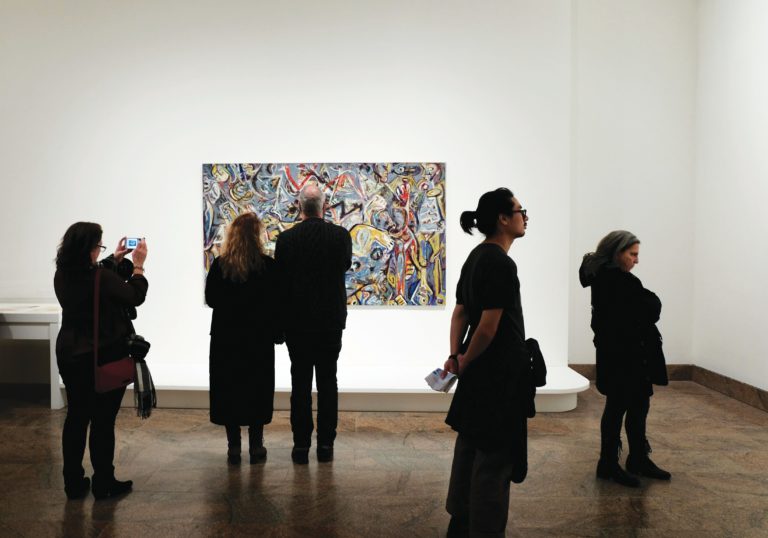
Colleges are traditionally the intellectual nerve centers from which the rest of an area’s culture radiates. But Sonoma State? It’s had an uneven track record at best. Sure, there were the brief, shining moments in its history—like the time the fledgling experimental psych department dabbled in “butt paintings” and earned the school the moniker “Granola U.” But as a whole, the school never fully gripped the local imagination.

The surrounding environs—the burbs—could never authentically claim the coveted status of a “college town.” And without most of SSU’s liberal arts programs, it never will. Sure, it still has its wine program (for now). But if global wine sales continue their decline, that department may eventually dry up like the rest of us during Dry January.

Cutting liberal arts—or, frankly, anything preceded by the word “liberal”—is par for the course in this Brave New World. Squint hard enough, and one can make an economic case for these cuts. CollegeNPV, an online service that helps users browse the potential ROI (return on investment) of different schools, recently circulated an infographic (via social media, where people really get their news) showing that an engineering degree yields a $571,000-lifetime return, while a visual or performing arts degree results in a negative $104,000. 

The math is stark, but this spreadsheet logic ignores a key fact: Many working artists also teach. Except now, at SSU, they won’t have that option—particularly since the school also axed its education leadership master’s program.

If BFAs and MFAs are going extinct, then another acronym, AI, may be the future. That’s the line we’re all being sold. The World Economic Forum’s annual Jobs Report recently suggested that “content development roles,” including quaint relics like writing, are “highly exposed to automation.” Generative AI, they claim, can “augment” these roles, turning human creatives into “hyper-productive” machines because nothing captures the human condition like a chatbot.

When the arts have to justify their existence to the bean counters, they become collateral damage in a broader culture war. The axing of liberal arts programs at SSU isn’t just about dollars and cents; it’s about a more profound cultural shift prioritizing utility over beauty, metrics over meaning, and productivity over soul.

So where does that leave us? A college stripped of its creative core becomes little more than a diploma mill with better branding. A community without artists becomes a cultural wasteland. And a society without the arts? It’s not just poorer in spirit—it’s doomed to repeat its mistakes without the mirror of art to reflect what we are otherwise unable to see.

The arts will survive, of course—they always do. But in this climate, they’ll increasingly move underground into spaces where they can thrive, where their real ROI isn’t measured in dollars.

If the academies don’t carry the torch, the artists will take it—igniting hearts and minds faster than anyone can say, “You’re fired.”

Weekly ravings of media-making madman Daedalus Howell are available at dhowell.com.

Atonement for Oligarchs Coming Sooner or Later

A recent study by the NYU Brennan Center for Justice, a watchdog group that studies election law and finance, revealed that around 44% of all the money, $481 million, raised to support then president-elect Donald Trump came from 10 individual donors.

When the Citizens United decision was announced in 2010, we all ran around with our hands in the air, crying about how corporations would buy elections. Not so. Instead, we have a system dominated by mega-wealthy individuals, the oligarchs, to an unexpected degree.

As far as disclosure goes, more money than ever is “dark” money, in which the donor’s identity is not disclosed, or is hidden behind committees, trap doors, black hoods and trick mirrors.

And, it isn’t as if money buys results. Candidate Kamala Harris raised $1.5 billion in one summer, though we don’t know if our receiving those hourly fund-raising texts through Election Day hurt her at the polls. 

We are entering a new era in which money and political power are fused. Big donors like Elon Musk essentially ran Trump’s campaign.

It’s not as though Trump cares about what to do now that he’s back in office. Don’t bother him. He’s on vacation. All he does is watch TV all day.

But the oligarchs care, and The White House side door of corruption is wide open for greedy bastards to come in and earn fat dollar amounts from government contracts designed to eliminate the government and the rest of us with their tariffs, tax cuts and endless forms of graft. Our country is for sale.

At the turn of the 20th century, Americans grappled with similar wealth and power issues. When J. Pierpont Morgan faced an antitrust lawsuit, he told President Theodore Roosevelt, “If we have done anything wrong, send your man to my man, and they can fix it up,” which is oligarch speak for “Up yours, buddy.”

Roosevelt had a different way of looking at the cycle of corruption and reform. “Sooner or later,“ he told a member of the working press, “unless there is a readjustment, there will come a riotous, wicked, murderous day of atonement.”

Craig Corsini lives and writes in Marin County.

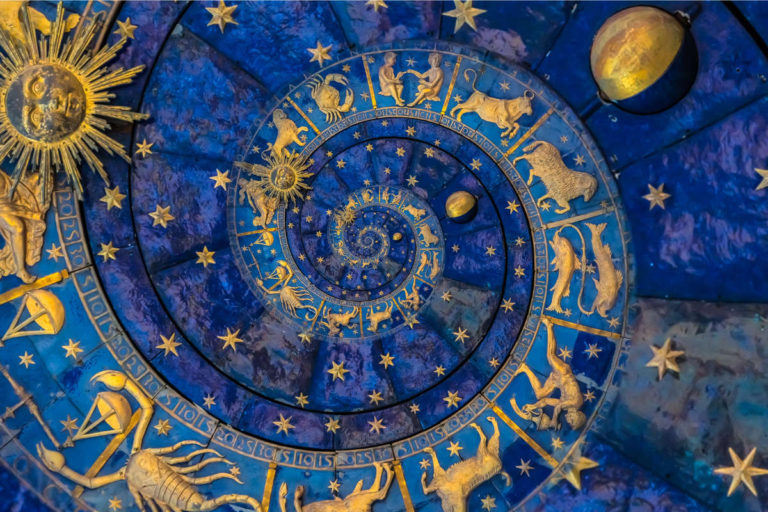
Free Will Astrology for Week of Jan. 29-Feb. 4

0

ARIES (March 21-April 19): In medieval Europe, beekeepers made formal reports to their hives of significant events in the human world, like births, deaths, marriages and departures. They believed the bees needed to be continually informed so as to ensure robust honey production. The practice was called “telling the bees.” Let’s make this an inspiring story for you in the coming weeks, Aries. I invite you to keep your community fully apprised of what’s happening in your life. Proceed on the assumption that sharing your plans and changes with others will generate harmony and support. Like the beekeepers, you may discover that keeping your community in the loop will strengthen your bonds and sweeten your endeavors.

TAURUS (April 20-May 20): A regular guy named Jesse Ronnebaum bought an old painting at a yard sale for 50 cents. For the next 10 years, it hung on the wall in his living room. Then he noticed a dim inscription on the painting that suggested maybe it was more valuable than he realized. Consulting an art dealer, he discovered it was an unusual composition that featured the work of seven prominent artists—and was worth a lot of money. Ronnebaum said, “Years of struggling, barely making bills and the whole time there’s $50,000 hanging over my head, literally.” I am predicting metaphorically comparable events unfolding in your life during the coming months, Taurus. Hidden value will no longer be hidden. You will potentize neglected sources of wealth and finally recognize subtle treasures.

GEMINI (May 21-June 20): In Namibia’s arid grasslands, fairy circles periodically emerge. They are highly regular rings of bare land encompassed by vegetation. What causes them? Supernatural entities, as believed by the local people? Sand termites or hydrogen-loving microbes, according to a few scientists? As yet, no definitive explanation has emerged. I love that. I cherish mysteries that thwart attempts at rational explanation. In accordance with astrological omens, Gemini, I invite you to specialize in tantalizing and unsolvable enigmas in the coming weeks. Your soul needs rich doses of provocative riddles, mysterious truths and fun puzzles. Exult in the liberating declaration, “I don’t know!”

CANCER (June 21-July 22): Wherever you wander, be alert for signals that remind you of who you used to be. This will stimulate your creative speculation about who you want to evolve into during the next few years. As you ruminate about your history, you will get inspirations about who you want to become. The past will speak vividly, in ways that hint at your best possible future. So welcome clues from people who are no longer alive. Be receptive to old allies and influences that are no longer a central part of your world.

LEO (July 23-Aug. 22): “Crown shyness” is a phenomenon seen among some trees like lodgepole pines. In forests, they grow big and strong and tall, yet avoid touching each other at their tops. This creates canopies full of pronounced gaps. What causes this curious phenomenon? First, if branches don’t brush up against each other, harmful insects find it harder to spread from tree to tree. Second, when winds blow, branches are less likely to collide with each other and cause damage. There’s a third benefit: More sunlight penetrates to the forest floor, nourishing animals and other plants. I propose that you adopt crown shyness as a metaphor for your use, Leo. Express your beauty to the max—be bold and vivid and radiant—but also provide plenty of space for your allies to shine. Be your authentically amazing self, but create boundaries that allow others to be their amazing selves.

VIRGO (Aug. 23-Sept. 22): Some astrologers assert that you Virgos suffer from an ambition deficit. They authoritatively assert that a fiery aspiration to achieve greatness never burns hot within you. But in the coming months, I will work to show you a different perspective. Let’s start now: Many of you Virgos are highly skilled at being self-sufficient. But sometimes this natural strength warps into a hesitancy to ask for help and support. And that can diminish your ability to fulfill your ambitions. My goal will be to celebrate and nurture your self-sufficiency even as I coach you to be dynamic about gathering all the assistance you can.

LIBRA (Sept. 23-Oct. 22): Life is not fair. In the coming days, you will be odd proof of this fact. That’s because you are likely to be the beneficiary of uncommon luck. The only kind of karma that will be operating in your vicinity will be good karma. X-factors and wild cards will be more available to you than usual. Your timing will be impeccable, and your intuition will be extra incisive. You may even be tempted to theorize that life is conspiring to bring you an extra supply of meaningful experiences. Here’s the clincher: If anyone in your sphere is prone to feeling envy because you’re flourishing, your charm will defuse it.

SCORPIO (Oct. 23-Nov. 21): Here are three questions to ruminate on: 1. What resources are you afraid you will run out of or squander? 2. What if your fear of running out or squandering these resources obstructs your ability to understand what you need to know and do so that you won’t run out or squander them? 3. How can you dissolve the fear and feel confident that the necessary resources will keep steadily flowing in, and you will use them well?

SAGITTARIUS (Nov. 22-Dec. 21): Most stars have at least one companion star, sometimes two. Our sun, which is all alone, is in the minority. Astronomers have found evidence that our home star once had a companion but lost it. Is there any chance of this situation changing in the future? Might our sun eventually link up with a new compatriot? It’s not likely. But in contrast to our sun’s fate, I suspect that 2025 will offer you a significant diminishment in your personal loneliness quotient. If you crave more camaraderie and togetherness, the coming months will be a favorable time to seek them out. Your meditation question: What’s the opposite of loneliness?

CAPRICORN (Dec. 22-Jan. 19): In the coming weeks, your authenticity will be your greatest strength. The more genuine and honest you are, the more life will reward you. Be alert for situations that may seem to demand camouflage when in fact they will ultimately reward your complete transparency. You will be most powerful and attractive as you allow yourself to be fully seen. You can even use your vulnerability to your advantage. Be openly, clearly, unabashedly yourself.

AQUARIUS (Jan. 20-Feb. 18): As I envision your life in the coming weeks, I am moved to compare you to certain birds. First, there will be similarities between you and the many species that can literally perceive Earth’s magnetic fields, seeing them as patterns of shadow and light overlaid on their regular vision. You, too, will have an uncanny multi-dimensional awareness that helps guide your travels. Secondly, Aquarius, you will be like the migrating songbirds that recalibrate their internal compass every day when the sun sets. In other words, you will make steady efforts to ensure that your magical ways of knowing are grounded in earthy rhythms.

PISCES (Feb. 19-March 20): In some Polynesian cultures, there is a belief that one’s mistakes, including excessive anger, can cause physical sickness. Hawaiians traditionally have employed a ritual remedy for such ills called ho’oponopono. It includes acts of atonement, forgiveness and correction. It may even involve a prayer conference where all the people involved talk about their mutual problems with respect and compassion, seeking solutions and restitution. The coming weeks will be a fantastically favorable time for you to carry out your own version of ho’oponopono, Pisces.

Friendship Bridge and Rotary Club of Novato Help Guatemalan Newborns

The work of one North Bay local has created a ripple of tangible, positive change in the world.

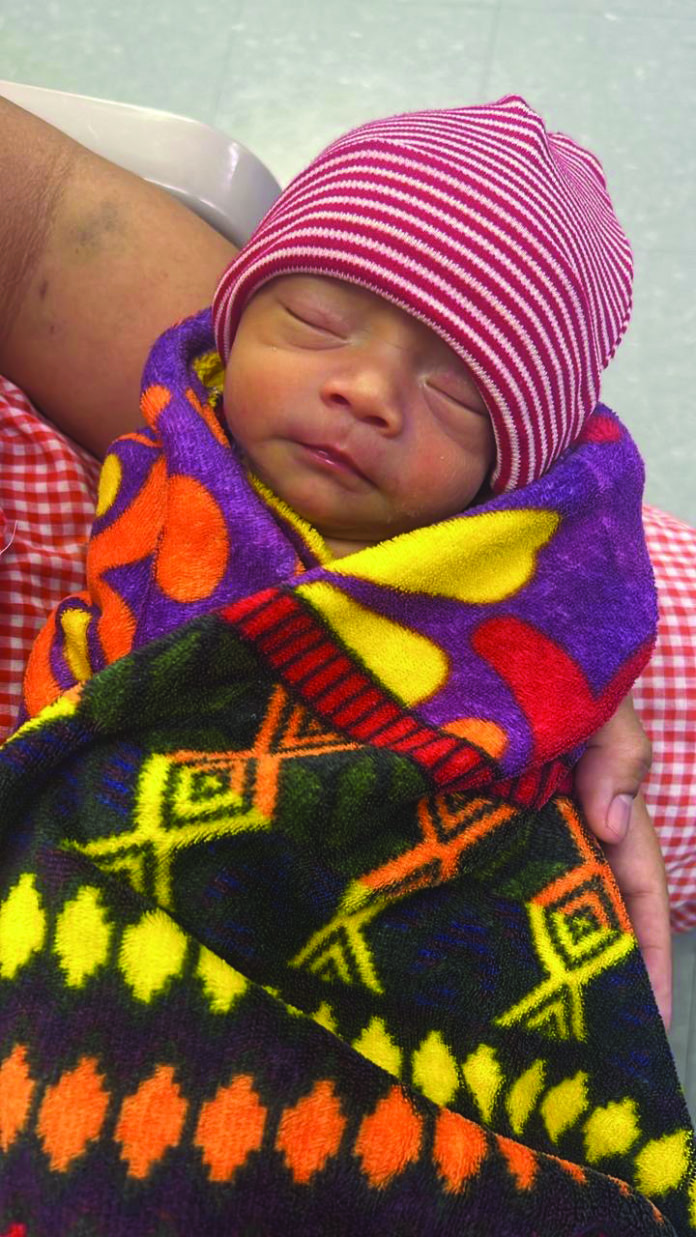
A Marin County citizen recently promoted women’s empowerment, supported the continued culture of traditional artisans, and, perhaps most impressively, put warm beanies on the heads of newborn babies who would have otherwise gone without.

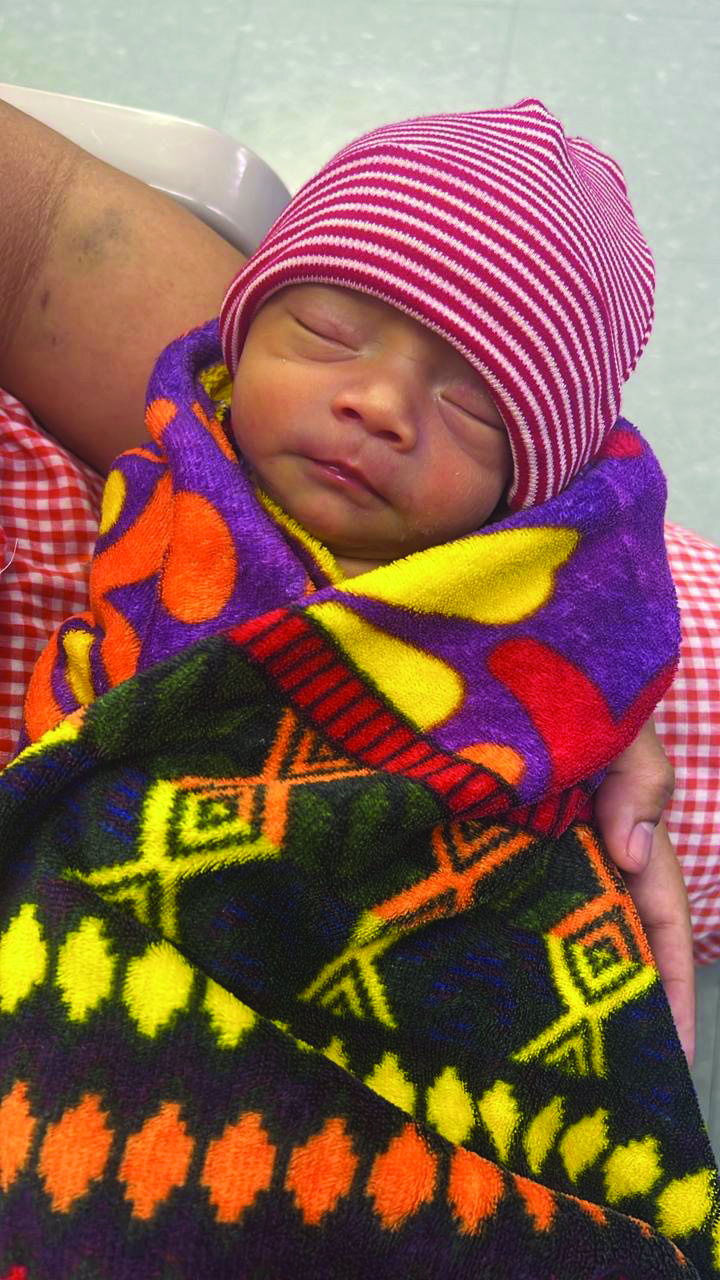
Through the work of the Rotary Club of Novato and its president, Robert Marshall, newborn babies in Guatemala now receive beanies upon delivery. This may not seem like a luxury to many Americans, but it makes all the difference to the children being born born there

Marshall began the newborn baby beanie movement after visiting Guatemala for work on a humanitarian project in 2023. While there, he witnessed a NICU with newborn babies wearing diapers on their heads for warmth instead of hats due to the hospital’s limited resources.

“I was shocked and couldn’t believe that’s what they had to do,” said Marshall.

After seeing these newborn babies wearing diapers instead of beanies, Marshall knew he had to take action and find a way to help supply the hospitals in Guatemala with the baby hats they needed. He reached out to his connections back home and, through his network, found exactly what he needed to address the problem. More specifically, he found Friendship Bridge.

Friendship Bridge is a 501(c)(3) nonprofit organization that strives to empower women in Guatemala by providing their clients access to resources in education, employment and healthcare (to name only a few). Through this, Friendship Bridge aims to create a space that provides opportunities for more personal agency to the women of Guatemala and help those who wish to build a better life for themselves and their families.

“When Robert saw newborn babies in Guatemala wearing diapers on their heads to keep warm, he put a lot of feelers out to his connections in California,” said content and press associate for Friendship Bridge, Lydia Shoaf. “Betty Chambers Toguchi lives in Foster City, and she’s a longtime supporter of Handmade by Friendship Bridge. Betty connected him to Friendship Bridge, and she said our artisans could make the hats and give beanies to babies in need.”

Handmade by Friendship Bridge, a subset of the nonprofit, focuses on supporting female artisans in Guatemala by facilitating the creation and sale of their handmade goods both locally and globally. 

“One of the big things about the female artisans in our program is that we know when their businesses are doing well in Guatemala, it directly relates to keeping their children in school longer since even children as young as elementary may have to quit school to help their parents,” explained Shoaf. 

“The more money they can make, through the beanies or through individual sales, the more education we’re providing to young Guatemalan children. Our clients, they want their children to be educated and to make change for the next generation, but they need help from organizations like ours to support that next generation of children,” Shoaf continued.

By supporting Guatemala’s local female artisans, Handmade by Friendship Bridge hopes to empower women through employment, provide continued education for their children and help preserve Guatemala’s traditional culture of skilled artisans and their crafts.

“I hadn’t been to Guatemala prior to taking the job [at Friendship Bridge], but through working here, I’ve gotten to meet a lot of our clients firsthand,” explained Shoaf. “I’ve learned a lot about the country and the conditions they face—for instance, it’s the most gender-unequal country in Latin America, so the women we serve face a lot of inequality, which affects their ability to work and make a living in their country.”

“So many things are different [for women in Guatemala]…the number one way it’s different is it’s so much harder to earn a living as a woman,” continued Shoaf. “Our goal as a nonprofit is to serve women in Guatemala, and our hope and our goal is to help women thrive in Guatemala.”

According to Shoaf, women in Guatemala face many obstacles that obstruct the path to finding opportunities to make a living for themselves. The high poverty rates of the country play a significant part in the problematic employment landscape. Still, it is the unequal gender roles that affect the agency of female artisans even further.

“If [women in Guatemala] suffer a divorce or if the male partner leaves them, he also takes the business or property they own together,” Shoaf explained. “Even women who have been able to build a business on their own can have their personal resources taken away from them.”

Friendship Bridge, the Rotary Club of Novato and others are working together to create change for these women and their families through movements such as the beanies for newborn babies program. This humanitarian endeavor impacts not only the babies but also allows for gradual social change that empowers female artisans, preserves culture and paves the way toward a better future.

The Rotary Club of Novato needs to raise $6,000 annually to continue the newborn baby hat initiative and make the program sustainable in future years. 

“This [beanie initiative] did all happen because of the Rotary Club of Novato and Robert for fundraising and raising awareness within his community in California,” said Shoaf.

“I would like this to be an endless program,” Marshall said. “No babies should have to wear diapers on their heads to stay warm.”

To volunteer or donate to the newborn hat initiative in Guatemala, contact Robert Marshall at **@**********rs.com or visit novatorotary.org and friendshipbridge.org.

Given, Then Taken: Point Reyes Plan Ends Most Ranching at National Seashore

Driving out across the Point Reyes National Seashore on Highway 1, one is often surrounded by cattle, long rolling hills and telephone lines. 

Perched atop are red-tailed hawks, looking into the short-grazed grasses beside the open Pacific Ocean for their next meal. 

These vistas, across much of the 71,000-acre park, from Kehoe Beach to Palomarin north of Bolinas, are defined by cattle. For more than 150 years, cattle have grazed these lands in the area we call Point Reyes National Seashore, which has become a defining feature of the park and region for many residents and some 2.5 million visitors.

However, on Jan. 8, the Point Reyes National Seashore announced an amended management plan, which included the voluntary ending of six dairy and six beef ranches in the National Seashore in 15 months. This will reduce the ranching land from 18,000 acres (around a quarter of the park) to about 1,000 acres. Two beef ranches will still operate. Seven ranches in the Golden Gate National Recreation Area will also continue to operate. The Point Reyes National Seashore staff manages these sites.

This decision, coming after a legal settlement agreement from a 2022 lawsuit, is the final compromise in a legal battle that has pitted conservationists determined to return Point Reyes to its wild state against ranchers who have lived and worked on these lands for generations that have now lasted just over a decade.

To be clear, this was a voluntary agreement. But some rancher lease owners did not agree to this voluntary settlement and so will continue operations through their current lease agreement with the Point Reyes National Seashore.

Ranchers, working with the Nature Conservancy, will now begin to work toward phasing out current operations. This includes partnering to ensure that families living on the land, many of whom are employees of the ranchers who made this agreement, are given a fair payout. Ranchers will also help find housing to ensure they do not leave their West Marin community.

“It’s going to present challenges for the local community that are economic, that maybe involve the viability of our local schools, a whole bunch of things that we’re going to need to acknowledge and find ways to come together and work on as a community,” said member of Congress Jared Huffman at a town hall Jan. 11 at the Dance Palace in Point Reyes Station. “So I do support the deal…but I do it in a clear-eyed and sober way.”

Once this process is complete, key changes will begin in the park. The Nature Conservancy, which voluntarily helped in the mediation process and has been appreciated by both sides of this conflict, along with the Federated Indians of Graton Rancheria, will start a conservation and land management process to help preserve and care for this newly de-agriculturalized land. 

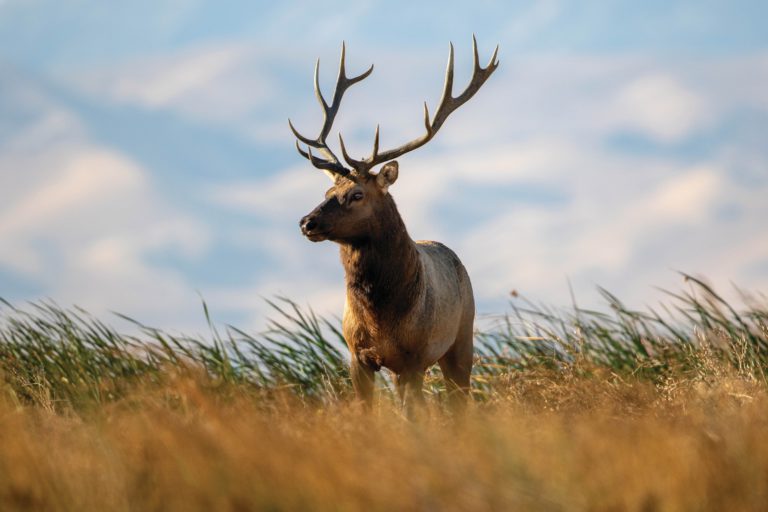
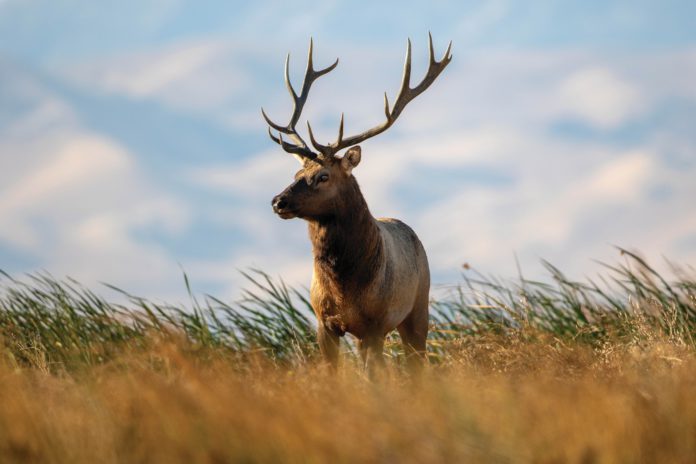
What’s more, the herds of tule elk, a native species that was introduced to the area now called Tomales Point in 1978 and to Limantour in 1998, will be managed as a free-ranging herd. This likely means that the elk fence, which has also been a particularly divisive public conflict in the West Marin community, will be augmented. Hence, the elk will be free to roam as far as the seashore, which is more than at any time since their reintroduction. 

Elk Issues

Since their return, the tule elk have been the centerpiece of many disputes in Point Reyes National Seashore, with ranchers claiming they are encroaching and damaging their land while having the potential to be harbingers of disease and taking up food resources from their cattle. Conservationists contend that the elk’s impact on the land, compared with cattle, is far lighter and shouldn’t be a concern for ranchers or the land. This will no longer be an issue, as the elk have essentially won.

“It’s the only National Park where [tule elk] occur,” said Jeff Miller, senior conservation advocate for the Center for Biological Diversity and one of the plaintiffs in the settlement, speaking in a phone interview. “They’re an emblem of the grassland ecosystem out there. They’re a surrogate for the health of the native grasslands.”

According to the amended management plan, the area that will no longer have cattle will be managed as a Scenic Landscape Zone. This would mean that the tule elk could inhabit this new area, and Federated Indians of Graton Rancheria, along with the Nature Conservancy, would help manage the rewilded lands. 

The Future

This will pose some initial and prolonged challenges for the future. While it is true that cattle and other domesticated farm animals consume and graze down much of the native vegetation in an area where they live, harming natural ecosystems and hurting native species, they also help contribute to reducing the chances of large wildfires breaking out in the park itself by eating what might otherwise remain on the land during dry seasons, ready to burn.

The Federated Indians of the Graton Rancheria Nation, working with the Point Reyes National Seashore and the Nature Conservancy, will likely use localized grazing by rented cattle, complemented by additional prescribed burns in the park. 

The grazing, in particular, used in smaller areas and not for commercial use, will help reduce the fuel loads and, therefore, wildfire risk while preserving the current natural beauty of the area. Similar grazing is done at the ecological center in Sonoma County, Pepperwood Preserve.

“So there will be grazing in these new conservation leases,” said Miller. “And the difference is it’s not going to be commercial grazing…They’re basically grazing to achieve these ecological effects.”

Miller pointed out that the grazing will not be year-round but seasonal.

“This is a pretty epic chapter in the history of Point Reyes,” he noted. “This agreement, I think, allows a different management approach. And the thing I’m most excited about is the opportunity to expand the tule elk herds.” 

Miller also mentioned their brush with extinction in the 1800s and how larger herds could help protect tule elk populations across the state.

This settlement was a voluntary mediation agreement between local ranching families and the plaintiffs of the Resource Renewal Institute, Center for Biological Diversity and Western Watersheds Project. Due to the process requiring all involved to sign non-disclosure agreements (a customary practice in mediation) and the lack of public input because of this, many in the community have been angered and saddened by the news and their inability to contribute to the discussion. They have shared their frustration online, in the comments of Instagram posts and Facebook groups, as well as at the local town hall on Jan. 11. 

“I see this as the problem: Eleven families get enough money to go out and buy a house or try to make a life somewhere else, and everybody else has to weather the damage that results from that,” said Kevin Lunny, rancher and part of the mediation and settlement agreement, at the town hall.

Make no mistake that while the overarching goal of the National Park Service is to protect lands and heritage sites, and while this agreement was voluntary, meaning the ranch owners signed and consented to this mediation ending in this agreement, what the ranchers were giving up were multi-generational ranches—their homes and culture. 

Many of us who watch from the sidelines and hear of these legal disputes might marvel at community members’ drama and emotional outpouring. However, what they are losing, regardless of whether one agrees with their decision to do so or not, is a place they have called home for generations. In other words, no part of this decision was easy for them.

“I couldn’t even tell my dad about this decision when it was time. He’s 94 years old. He lives next door on the ranch, still helps with the cows,” Lunny said. 

Later, voicing his frustrations with the process, he openly wondered, “We give up our home, our identity, in exchange for a dollar amount. I’m not saying that we aren’t getting anything. But there was a give on the rancher side, and I want to hear about the give on the plaintiff’s side.”

Speaking on the recent settlement, Michael Bell, protection strategy director for the Nature Conservancy, said, “There was just this underlying conflict that was getting stronger and stronger over the years. And really, this current litigation in question is just a symptom. It’s just one manifestation of this longer conflict.”

This, in many respects, is true. In the creation of the park itself in 1962, the ranchers were given 25-30 year-long leases to engender compromise with the ranchers and the Sierra Club, who, at the time, both wanted to protect the land from development. 

At the end of those leases, ranching could end on the seashore. As known, this did not happen. Over the years, conservationists’ desire for more wildlands placed them more and more against the ranchers and farmers in the seashore—in conflicts arising from oyster farms to tule elk fences and the ranches themselves. The settlement is just a piece of the years of conflict between these two groups, which have starkly different ideas of what should be done with this land. 

However, as climate change has dramatically worsened over time, with severe drought contributing to the closure of McClure’s Ranch in 2021, there is a very real question of how long many of these places would have lasted into the future. As droughts last longer, and as winter storms get all the more ferocious, muddying and damaging the grazing land, many ranchers in the greater Marin and Sonoma region will have to wonder about how well they can still successfully tend to the land in this way.

Change on Horizon

Whatever led to this agreement behind the closed doors of mediation, one thing is sure: The landscape of Point Reyes National Seashore will look very different in the coming years. We don’t know precisely what these ranching areas will one day look like, possibly teaming with elk, new woodlands or coyote brush chaparral, bringing their particular beauty, excitement and challenges to the land and communities that live beside it. 

For some, this marks a day of hope for remedying the ecological damage Europeans caused centuries ago to these lands. For others, it is a complete gutting of a beloved history, livelihood and culture that might never be seen again.


Follow Me: Social Media Butterfly

Rejection is par for the course for working writers, more so for non-working writers. 

This is a direct lift from my latest rejection:

“Although I like your writing and appreciate your sense of humor, I’m afraid I cannot offer my representation at this time. In the current competitive market, publishers will not even consider nonfiction projects by writers with a platform of less than 100,000 followers.”

For scale, that’s like the combined population of every sentient being in Novato and Petaluma. But convincing them, or anyone, to do anything en masse short of watching Netflix in athleisure wear is a fool’s errand.

The agent’s rejection letter continued: “I suggest that you start building your platform and feel free to reach out to me again when you have a big enough following.” 

Dude, if I could muster that kind of influence, I wouldn’t be looking for a new agent; I’d be running a TikTok crypto cult fueled by feel-good bromides and saucy dance routines. My 15 minutes of fame would turn into 15 minutes of blame for breaking the Internet.

Social media gurus talk about “engagement” but never disengagement, which has been the key metric of my social media marketing strategy. My followers may be finite, but my non-followers are infinite—they’re legion, and they’re loyal (to the fact that they will never know who I am).

The social professionals have polite terms for punters like me—“micro-influencer,” “niche-influencer” and “irrelevant non-entity,” but I’ve never claimed to be an influencer. I’m more like an under-the-influencer, but only on payday, which is twice a month if the planets align. Then I raise a glass to the invisible masses and say, “Without you, I’m nobody, and with you, I’m still nobody—here’s to consistency and always never being there.”

Thus far, adding up all of my followers, across all of my social media platforms, I can just scrape the bottom of 10,000. And most of those are Russian bots. I can tell because every so often, I get an email from Kollektiv Robotov that reads, “пожалуйста, прекрати,” which translates to “please stop.”

So, follow me, comrades. I’ll be here, shouting into the void and pretending the echo is applause. Who needs 100,000 followers when I can have the undivided attention of a dozen mildly interested strangers?

I may never go viral, but obscurity? That’s a niche I can dominate.

Follow me at instagram.com/daedalushowell.

San Rafael’s Secrets Keep Public in the Dark

Part two of a two-part article.

For the last two weeks, I’ve reported about police officer Brandon Nail’s controversial reinstatement to the San Rafael Police Department. But there’s a story behind that story, equally important, that hasn’t been told.

In a nutshell, the City of San Rafael and the San Rafael Police Department continually refuse to share information that might place them in a bad light. Never mind that the public’s right to know trumps the local government’s desire to avoid embarrassment.

The California Public Records Act (CPRA), legislation enacted in 1968 and recodified in 2023, says it a bit more eloquently: “In enacting this division, the Legislature, mindful of the right of individuals to privacy, finds and declares that access to information concerning the conduct of the people’s business is a fundamental and necessary right of every person in this state.”

Granted, there are valid exceptions. A local government shouldn’t jeopardize public safety by revealing certain information. Nor should it share an employee’s personal medical info. 

It’s essential, however, for the public to monitor the government. 

The Incident
On July 27, 2022, then-police officer Daisy Mazariegos stopped three men for drinking in public on Windward Way in the Canal area of San Rafael. Nail served as backup. 

According to videos from police body-worn cameras, Nail yelled at one of the men, Julio Jimenez Lopez, to “Sit the fuck down.” Nail then used a leg sweep maneuver to trip Jimenez Lopez and take him to the ground. As he fell, Nail punched him in the face. Jimenez Lopez suffered a broken nose, concussion and a shoulder injury requiring surgery, according to medical records reviewed by the Pacific Sun and court testimony.

Secrets Abound
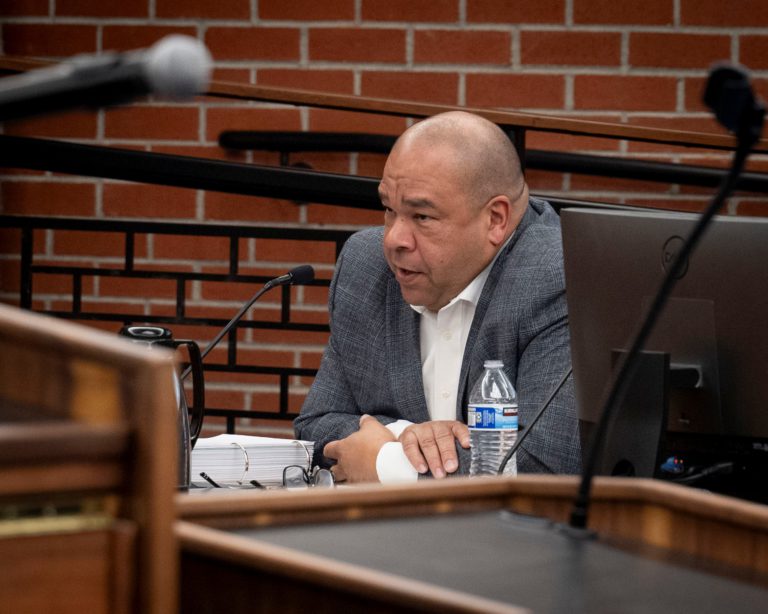
When then-supervisor Corporal Oscar O’Con arrived at the bloody scene, he asked to speak with Nail and Mazariegos and then turned off his body-worn camera during the conversation. What did they discuss that O’Con didn’t want captured on video?

The evening ended with Jimenez Lopez’s arrest. Reports from Nail and Mazariegos indicated that Jimenez Lopez struck Nail in the head, which is not seen in the videos. Jimenez Lopez is 5 feet tall and 130 pounds, while Nail stands at 6 feet two inches and 250 pounds, according to an arrest report.

On Aug. 2, the Marin County District Attorney filed felony and misdemeanor charges against Jimenez Lopez before reviewing the police videos. Three weeks later, an assistant DA looked at the videos and dropped the charges. 

Surprisingly, San Rafael never informed the public about a use of force incident involving two of its police officers. This is from a city that preaches transparency and a police department that routinely sends out press releases highlighting its arrests.

Revelation
Outraged by the incident, Charles Dresow, a criminal defense attorney representing Jimenez Lopez, gave the police body-worn camera videos to KGO-TV reporter Dan Noyes and later to other media. Noyes ran the first story on Sept. 1, 2022, weeks after the use of force, arrest and subsequent dismissal of charges against Jimenez Lopez.

If not for Dresow, it’s unlikely the public would have seen the videos. San Rafael officials were undoubtedly unprepared for the strong reaction to the violent incident. 

During protests, marches and lengthy city council meetings, angry residents demanded the termination and criminal prosecution of Nail and Mazariegos. The public also wanted to know why the city didn’t come forward with information about the incident—commenting only after the videos came out in the media.

More Secrets
San Rafael soon hired an independent investigator to investigate the incident. City attorney Rob Epstein had committed in public meetings that San Rafael would release the report to the public after he received it. But he broke his promise and refused to divulge the information. Public outcry was swift and loud.

Three entities filed legal actions against San Rafael, citing violating the California Public Records Act. In September 2023, a Marin Superior Court judge ordered the city to disclose the documents.

In the meantime, San Rafael police chief David Spiller had terminated both Nail and Mazariegos from the department, again without any announcements to the public.

Mazariegos, still on probation, was let go in May 2023, followed by Nail’s firing in June 2023. I received tips about both terminations—and each time I called the San Rafael PD for confirmation, they asked how I knew. The point is not how I knew. Why didn’t they reveal relevant information that is clearly of public interest before the media calls?

The city and police department also kept it under wraps when Nail requested binding arbitration to overturn his termination. I found out in March 2024, just before the start of the process. When I talked to Chief Spiller about it, he said, “You’re not supposed to know about this.”

Most Recent Secret
Apparently, I also wasn’t supposed to know that Nail had been reinstated to his position of police officer with the San Rafael PD on Dec. 21. Given the public’s keen interest in the entire incident, it certainly begs the question of why San Rafael kept his reinstatement a secret for weeks.

In fact, the city only revealed the information after the Pacific Sun learned about Nail’s return and contacted the police department on Jan. 7 for comment. 

“Your call expedited the city’s statement,” police Lt. Scott Eberle said. “But we’d been working on a press release for weeks.”

Chief Spiller addressed the delay at a meeting of San Rafael’s Police Advisory and Accountability Committee on Jan. 11. The arbitrator issued his ruling on Dec. 16; however, Spiller said he received it on Dec. 21 while on vacation.

With all due respect to Spiller and Eberle, it doesn’t take almost three weeks to write and distribute a press release. The San Rafael Police Department routinely emails press releases to the media on the same day an incident occurs—mostly to boast about arresting a criminal suspect.

When I asked Eberle why the chief didn’t delegate the task of informing the public, he responded that it was Christmas week. Even if that is an appropriate reason—and I’m not sure it is—what prevented the department from telling the public during the two weeks after Christmas? 

Absolutely nothing, in my opinion, except that the City of San Rafael and the police department have a pattern of secrecy. I wonder about all the important information that we will never know.

San Rafael, it appears, failed the transparency test again. 

Yet to Come
The city has not disseminated much information about the federal civil lawsuit filed by Jimenez Lopez against San Rafael, the police department, Nail and Mazariegos. Based on Judge Vince Chhabria’s comments during last month’s hearing, the city might want to consider a crisis management plan.

“Because I think anybody who watches that video who knows anything about excessive force would say this was so outrageous. There was no justification for the officer attacking this person. It was clear from the get-go that the officer was looking for a fight, and he got a fight—he started a fight, and he—he attacked the guy,” Judge Chhabria said in the hearing.

There’s also Nail’s criminal prosecution in Marin County for the incident, with felony charges of assault and lying in a police report. The next court date is scheduled for Jan. 22.

Canine Copy, the Cloned ‘Winery Dog’ Controversy

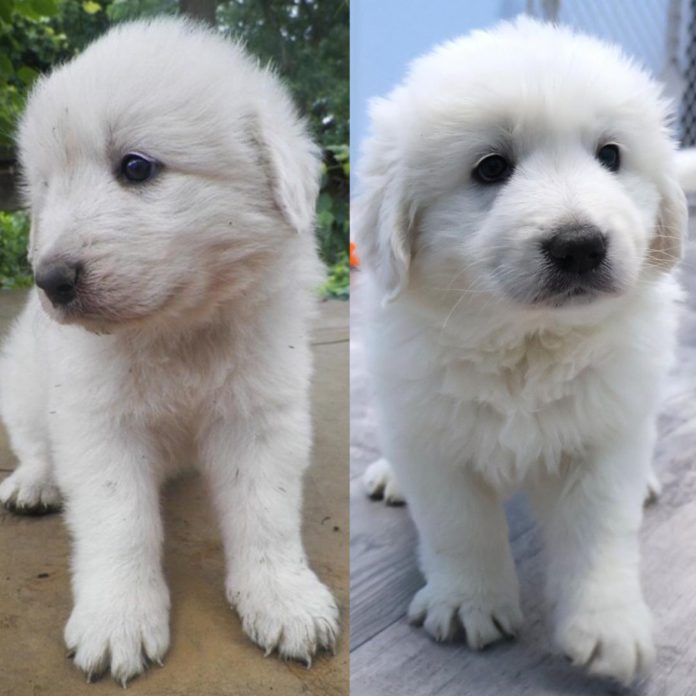
The press release’s headline bellowed, “World’s First Cloned Winery Dog, Puppy Arrives in Sonoma County This Week.”

I don’t doubt that “Stella,” the family dog and ambassador for Flambeaux Winery in Healdsburg, is well-loved—most Americans love their dogs.

However, unlike most Americans, the winery’s owners, the Murray family, decided to clone Stella, an Italian Maremma, after learning the dog’s breeder shut down operations, “making her lineage unavailable.” 

To that, I say, so what?

In 2023, animal shelters across the United States euthanized 359,000 homeless dogs—from mutts to purebreds and pups to seniors—according to data from the nonprofit Shelter Animals Count. 

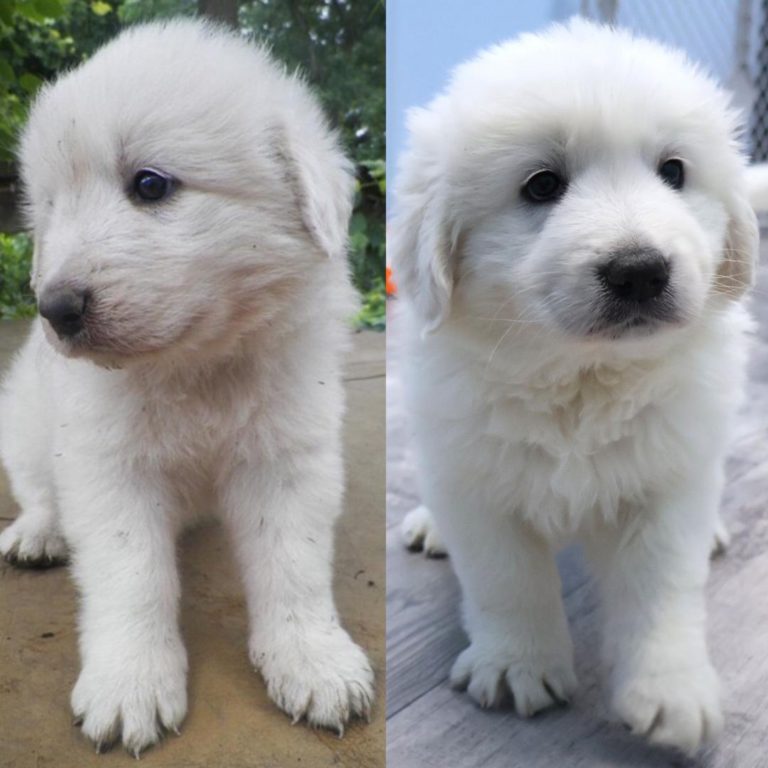
Still, the Murrays plunked down a mere $50,000 to clone Stella. Then, like magic, seven-week-old Mella arrived at the winery last week from Texas’s Via Gen, the only dog cloning company in the country. 

Cute pup. Looks just like Stella. But the process used to clone her presents serious ethical and moral issues.

“There are literally thousands of dogs in California shelters needing homes, so the concept of paying $50,000 to clone one seems especially egregious,” Marin Humane communications director Lisa Bloch explains. “In addition, cloning a dog in no way guarantees that the dog will be like the one he/she is cloned from. Dogs are individuals, and the notion you can simply produce a copy of one reduces them to mere objects produced in a factory.”

Did the Murrays consider that besides Stella, two other dogs were involved in providing her clone? It’s difficult to fathom how one could love their own dog yet condone invasive surgery to procure eggs from an involuntary “donor” dog for an unnecessary procedure. 

Furthermore, to produce the Mella clone, Via Gen also operated on a surrogate mother dog, forcing her to carry the donor dog’s eggs, inserted with Stella’s genetic material, through the gestation period. 

But let’s forget about that ethical nonsense. Mella, an adorable pup less than two months old, has arrived at the winery and is being trotted out at publicity events. That makes it all worthwhile, right?

Wrong. Don’t clone. Adopt. And if you want that $50,000 burning a hole in your pocket put to good use, contact your local animal shelter.

Nikki Silverstein is the writer-at-large for the Pacific Sun.

Culture Crush, 1/29

Petaluma Get That Con On Petaluma’s comic convention, LumaCon!, is back this Saturday to celebrate creativity, art and the joy of fandom. This free, family-friendly event transforms the Petaluma Community Center into a hub of cosplay competitions for ages 8–18 (registration required onsite by 2pm), live-action role-playing adventures featuring short sword workshops and supervised battles, and the bustling Artists’ Alley, where...

Habitat Forming: Amber Huntington of Cal Flora

I can be certain that this reader has noticed the stirring of currents and movement behind the concept of “habitat gardening.” For the uninitiated, habitat gardening is the planting—or rather the restoration—of native plant landscapes in suburban areas that invites local critters back into the lowlands. While not at all replacing the sharp need for new parks and protected lands,...

The War on Art, Sonoma State University Cuts Strike Blow

Anyone in the tri-county area within earshot of an academic has probably heard about the dramatic cuts occurring at the North Bay’s only state college—Sonoma State University. Due to a colossal budget deficit precipitated by declining enrollment, years-long administrative woes (including a sexual harassment scandal in 2022) and inflation, the beleaguered school is eliminating several academic and athletic programs. As reported...

Atonement for Oligarchs Coming Sooner or Later

A recent study by the NYU Brennan Center for Justice, a watchdog group that studies election law and finance, revealed that around 44% of all the money, $481 million, raised to support then president-elect Donald Trump came from 10 individual donors. When the Citizens United decision was announced in 2010, we all ran around with our hands in the air,...

Free Will Astrology for Week of Jan. 29-Feb. 4

ARIES (March 21-April 19): In medieval Europe, beekeepers made formal reports to their hives of significant events in the human world, like births, deaths, marriages and departures. They believed the bees needed to be continually informed so as to ensure robust honey production. The practice was called “telling the bees.” Let’s make this an inspiring story for you in...

Friendship Bridge and Rotary Club of Novato Help Guatemalan Newborns

The work of one North Bay local has created a ripple of tangible, positive change in the world. A Marin County citizen recently promoted women’s empowerment, supported the continued culture of traditional artisans, and, perhaps most impressively, put warm beanies on the heads of newborn babies who would have otherwise gone without. Through the work of the Rotary Club of Novato...

Given, Then Taken: Point Reyes Plan Ends Most Ranching at National Seashore

Driving out across the Point Reyes National Seashore on Highway 1, one is often surrounded by cattle, long rolling hills and telephone lines.  Perched atop are red-tailed hawks, looking into the short-grazed grasses beside the open Pacific Ocean for their next meal.  These vistas, across much of the 71,000-acre park, from Kehoe Beach to Palomarin north of Bolinas, are defined by...

Follow Me: Social Media Butterfly

Rejection is par for the course for working writers, more so for non-working writers.  This is a direct lift from my latest rejection: “Although I like your writing and appreciate your sense of humor, I'm afraid I cannot offer my representation at this time. In the current competitive market, publishers will not even consider nonfiction projects by writers with a platform...

San Rafael’s Secrets Keep Public in the Dark

Part two of a two-part article. For the last two weeks, I’ve reported about police officer Brandon Nail’s controversial reinstatement to the San Rafael Police Department. But there’s a story behind that story, equally important, that hasn’t been told. In a nutshell, the City of San Rafael and the San Rafael Police Department continually refuse to share information that might place...

Canine Copy, the Cloned ‘Winery Dog’ Controversy

The press release’s headline bellowed, “World’s First Cloned Winery Dog, Puppy Arrives in Sonoma County This Week.” I don’t doubt that “Stella,” the family dog and ambassador for Flambeaux Winery in Healdsburg, is well-loved—most Americans love their dogs. However, unlike most Americans, the winery’s owners, the Murray family, decided to clone Stella, an Italian Maremma, after learning the dog’s breeder shut down...
3,002FansLike
3,850FollowersFollow