Letter: ‘It was impossible to miss the irony … ‘

Isn’t it ironic?

It was impossible to miss the irony in the juxtaposition of Tanya Henry’s totally lame defense of Marin [“There are many Marins,” Food & Drink, page 7, April 10] with the photo of what appears to be a monochromatic Pacific Sun staff [page 3, April 10] and Bob Heinen’s whites-only photo layout [Publisher’s Note, pages 8-9, April 10] celebrating The Best of Marin. Say again, Ms. Henry?

Karl J. Hittelman, Corte Madera

Letter: ‘Plainly we have been deceived … ‘

‘Cyclists will still have to suffer’

The latest Road and Trail Management Plan (RTMP) meeting was an eagerly anticipated meeting for Marin County cyclists, who, after years of work and cooperation on the RTMP, looked forward to safer, more connected and more enjoyable networks of roads and narrow trails on their Open Space lands. Because of draconian trail restrictions, off-road cyclists are confined to hazardous fire roads and city streets. Region 1, the subject of the first meeting, is lacking in all attributes for those [who] choose to ride a bike: It is comprised of primarily steep, loose, dangerous, fire roads separated by busy thoroughfares such as Camino Alto. It was hoped by many in the off-road cycling community that most of these issues would be addressed as part of a process set up by Marin County Open Space District (MCOSD). By the time the meeting was over it was clear that this was not the case. Less than one mile of narrow trail was opened to cyclists, bringing the total mileage of non-contiguous trail available for cyclists to barely one mile. Cyclists will still have to suffer up and down the same dangerous, difficult fire roads and busy streets of Mill Valley, Corte Madera and Larkspur in order to link the region’s preserves together. If this is what we can expect as MCOSD works through the remaining regions, then plainly we have been deceived and are sorely disappointed. We were told that measure A would result in increased recreation opportunity for all in Marin County and this is clearly not the case.

David Simon

Food and Drink: Cider and wine–oh so fine

by Tanya Henry

In case you haven’t noticed, hard ciders are seriously trending at the moment. Given the ongoing interest in craft cocktails, shrubs, beer and even mead, it’s not surprising that this bubbly beverage is getting some time in the spotlight. Jan and Louis Lee of AppleGarden Farm in Tomales are producing limited quantities of their estate cider made from European and heritage apple varieties that they planted (carefully selected for an English-style cider). The innkeepers-turned-cider-makers say that their product is made from the ground up: harvested by hand, small-batch-fermented and hand-bottled. For more information, and to find out where it is sold in Marin County, visit applegardenfarm.com.

CIDER CRAVINGS If you can’t get enough of this effervescent favorite—you’re in luck! The second annual Cider Summit S.F. is happening on Saturday, April 25 from 12-6pm at the Civil War Parade Ground in the Presidio. The full lineup includes more than 150 ciders from 46 cideries in California—unsurprisingly, at least five of them come from Sebastopol, which is known for its historic apple-growing roots—especially Gravensteins. Tickets are $35 in advance and $40 at the door (cash only). For more information or to purchase tickets, visit cidersummitnw.com.

GRAPE FANS UNITE If you prefer grapes to apples, here is a special dinner that you won’t want to miss. One of Napa’s top viticulturists (who was named the San Francisco Chronicle’s Winemaker of the Year in 2014), Steve Matthiasson and his wife Jill, will be at the Farmshop in Larkspur (in the private dining room) for a special event that will include dinner, homemade vermouth and specialty jams—all paired with the couple’s favorite wines, at $95 per person. Wednesday, May 13, 6:30pm, Farmshop, 2233 Larkspur Landing Cir., Larkspur. Reserve a space by calling 415/755-6710 or emailing ev****@***********in.com.

COOKING TOGETHER Now that the wine and cider opportunities are covered, how about some healthy cooking? Join certified natural chef Suzanne Griffin from April 22 to May 13, 6:30-8pm (consecutive Wednesdays) at the Osher Marin JCC, for a series of hands-on cooking classes, designed to teach you the foundation of cooking healthy, delicious meals. Each class centers around a theme using local, organic and seasonal ingredients. At the end of each class, everyone enjoys the prepared meal together. The classes are limited to 12 people (a couple working together can count as one). The cost is $250 for non-members and $200 for members. To register for a class, call 415/444-8004.

GOLD MEDAL TASTINGS If you haven’t been to The Barlow in Sebastopol, here is a good reason to go—the North Coast Wine Challenge Tasting on May 17 from 1pm to 4pm. The tasting will feature wines that achieved both a gold medal status and 90+ points in the competition. There will also be food tastings prepared by some of the best local chefs, including Douglas Keane, Duskie Estes and Brandon Sharp. Tickets to the tasting cost $95 and are available at northcoastwineevent.com.

ROAD TRIP WITH MOM Still looking for a special treat for Mom on her day? Take a drive out to Marshall for a Mother’s Day Brunch at Nick’s Cove. Executive chef Austin Perkins has a tasty, locally sourced menu planned, including items like lobster and truffle coddled eggs (from their own chickens!) with Pt. Reyes Toma and arugula. A sweet potato duck confit and shrimp enchiladas are also on the menu—along with plenty of fresh oysters, of course! The special Mother’s Day menu is only offered for brunch on Sunday, May 10 from 10am to 3pm. Reservations are strongly recommended. To reserve a table, call 415/663-1033 or visit www.nickscove.com.

Share your hunger pains with Tanya at th****@********un.com.

That TV Guy

by Rick Polito

Friday, April 24 Night at the Museum: Battle of the Smithsonian For most visitors, the Battle of the Smithsonian is dragging the kids past the gift shop without spending any money. (2009) Fox. 8pm

Bruce Jenner: The Interview Researchers say that the best way for a middle-aged Olympic medalist with a neurotic need for attention to explore feelings about sexual identity is in a two-hour, nationally televised interview. ABC. 9pm.

Hangar 1: The UFO Files Apparently, there are people who think Men in Black was a documentary. History Channel. 10pm.

Saturday, April 25 The Incredible Hulk This is the newer one with more action and less angst than the 2003 Ang Lee version. He just gets mad and turns into the Hulk. He doesn’t schedule a session with his therapist first. (2008) FX. 4pm.

When Calls the Heart We know many viewers find period dramas very romantic, but when you put the romantic interest in a Dudley Do-Right mountie suit you risk what cinema historians call “unintentional comedy.” Hallmark Channel. 8pm.

Lake Placid vs. Anaconda The giant alligator from the terrible giant alligator movie and the giant snake from the terrible giant snake movie come together for a terrible giant alligator and giant snake movie. SyFy. 9pm.

Sunday, April 26 AD: The Bible Continues We forgot that The Bible was an action flick. These look like passages from the Gospel of Jerry Bruckheimer. NBC. 8pm.

The Avengers With the sequel opening on Friday, now might be a good time to brush up on the background and subplots. Don’t worry. There won’t be a test. Unless you’re a 12-year-old boy—then there will totally be a test. (2012) FX. 8pm.

Stalked by My Neighbor Well, at least it’s convenient for both of you! (2015) Lifetime Channel. 8pm.

Monday, April 27 The Little Mermaid A mermaid princess decides to abandon her royal heritage and aquatic life when she falls in love with a land-dweller prince. Something similar happens to a lot of young women. But they usually dump him in their sophomore year. (1989) ABC Family. 7pm.

Castle When a sky marshal is murdered on their flight, Castle and Alexis must solve the mystery before the plane lands. On the plus side, they get all of his frequent flier miles. ABC. 10pm.

The Tonight Show In the closing days of The Avengers hype circus, Robert Downey Jr. reveals that Ultron is dating Siri. NBC. 11:35pm.

Tuesday April 28 Dancing with the Stars This is the10-year anniversary highlights show, including such treasured moments as the time we unplugged the TV so that we wouldn’t even know that it was on. ABC. 8pm.

Black Swan Natalie Portman plays a ballerina who descends into an obsessive spiral of self-hate and ambition as she games to be the lead dancer. Gee, we always thought that the ballet world was filled with confident young women with strong self-esteem and healthy body images. (2011) Logo. 8:30pm.

Last Days of the Nazis It turns out that there was no foosball table in Hitler’s bunker. History Channel. 9pm.

Wednesday, April 29 Flashdance Don’t let anybody tell you that exotic dancing and professional welding are mutually exclusive career choices. (1983)  Sundance Channel. 7pm.

Godzilla In his most recent outing, Godzilla attacks San Francisco, but gets blocked by a fleet of Google buses and hordes of people protesting the Google buses. (2014) HBO. 7pm.

Thursday, April 30 The Breakfast Club At the 30th year anniversary, a theory has emerged that the only person in the school that day was the vice principal and all of the characters were just manifestations of different parts of his schizophrenic personality as he descended into the mental chaos of “self-detention.” (1985) ABC Family. 6:30pm.

Goodfellas Martin Scorsese’s sentimental ode to hard-working Italian Americans in pursuit of the American dream. (1990) Independent Film Channel. 8:15pm.

Walking Tall A Special Forces veteran becomes sheriff of a small southern town and takes on the local thuggery, carrying a big stick and a heavily edited copy of the Constitution. (2004) Showtime. 9pm.

Critique That TV Guy at le*****@********un.com.

Advice Goddess

by Amy Alkon

Q: I’m new to online dating. I’m a nice, good-looking guy with a good job, but I have a muscular condition that causes me to shake a lot. I’m not looking to fool anyone, but I don’t want to advertise my condition on my profile because it’s so personal. My last date was several months ago, and it ended with her saying I was “creepy” because of my disability—a condition I was born with.—Bummed

A: Apparently, this last woman you dated is so used to wearing her heart on her sleeve that she failed to notice that most of it broke off (and is maybe still lying there with her driver’s-side mirror at the Burger King drive-thru).

The thing is, even women who might be open to dating a guy with a bit of a wiggle are likely to be miffed at having it withheld from them until the first date. They’d probably feel similarly if they were surprised by your actual height, weight, or species. In other words, the underlying issue is the lack of disclosure, not the lack of sit-still-ness—which doesn’t justify for a second what this woman said to you. (Clearly, her disability—being a compassionless bitch—is just less visible than yours.)

However, I’m not going to kumbaya you. Advertising yourself as “tall, dark and shaky” wouldn’t be ideal. Even revealing it on the phone could lead to some painful date cancellations. But, as for your notion that your condition is “so personal,” a spastic colon is personal; a woman won’t know about yours unless it’s in such an advanced state that it cuts into conversation to correct her grammar. Your tremors, however, become public the moment you walk into a place to meet a woman—which is actually the perfect time to make a crack like, “Is it freezing in here, or do I have a muscular disorder?” Maybe while wearing a T-shirt with, “That’s my groove thing I’m shaking.”

How dare I joke about a disability?! Truth be told, I can’t really take credit for this approach. I call it “The Callahan,” after my late quadriplegic cartoonist friend, John Callahan, who buzzed around Portland in a motorized wheelchair, cracking jokes like, “See my new shoes? I hear they’re very comfortable.”

Callahan understood that a person’s disability often becomes a big wall between them and the rest of us because we’re afraid of doing or saying the wrong thing. But through his refusal to, uh, pussychair around the subject, Callahan told people how the disabled want to be treated, which is “just like everyone else.” And because the rest of us get poked fun of, Callahan did cartoons featuring disabled people. One of these has a posse on horseback in the desert looking down at an empty wheelchair. The posse leader reassures the others, “Don’t worry, he won’t get far on foot”—which became the title of Callahan’s autobiography.

Adopting a more Callahan-esque attitude—using humor—would allow you to set the tone for your condition to be just a fact about you instead of a fact people pity you for. And by offering to answer questions they might have, you can shrink any big, scary mysteries down to a more manageable size. For example: How permanent is your condition? Will it get worse? If we make babies together, what are the chances they’ll be vibrating in their crib?

And, no, I’m not going to tell you what 35 readers will write to tell me after this column comes out—that you should go on a dating site for people with disabilities. What I will tell you is that online dating isn’t an ideal venue for everyone. Plenty of non-disabled people find it brutal.

But there’s good news for you from some research by evolutionary psychologists Kevin Kniffin and David Sloan Wilson. On day one of a six-week archeological dig, they had students give their first impressions of the smarts, likability and physical attractiveness of their new classmates. On the last day, the students re-rated one another. Well, it seems that physical attractiveness can be heavily influenced by personality and character. For example, a woman whose looks initially rated a measly 3.25 (out of 9) became a hardworking, popular member of the group. By the end of the course, her hotitude in other students’ eyes shot up to a 7.

In other words, if, beyond that shaky exterior, you’re a pretty great guy, you’re probably better off looking for dates in Meetup.com groups and other arenas where you’ll have continuing contact with women. Remember, you only need to charm that one girl—one who is so excited to find a sweet guy who reminds her of a movie star that she doesn’t mind that it happens to be Katharine Hepburn at 70.

This week in the Pacific Sun

In this week’s issue of the Pacific Sun, Steve Heilig interviews Peter Coyote about his past, his new book, his spiritual practice, his upcoming move and more. David Templeton taps into the craze over the trailer for the new Star Wars movie, and Charles Brousse reviews plays at the A.C.T. and the Berkeley Rep. Wondering what the latest is on affordable housing in Marin? Peter Seidman has you covered with his story on junior second units. And don’t forget about your horoscope, advice from the Advice Goddess and Best Bets for arts and entertainment. All that and more online and on stands today.


Horoscope: What’s Your Sign?

by Leona Moon

ARIES (March 21 – April 19) All work and no play made Aries a rich fire sign! Get ready to cash in big on April 23. Prep and prime yourself for an unexpected meet-and-greet with that elusive CFO who also frequents Trader Joe’s in the morning. There’s no time like the present, so you better present your best self forward.

TAURUS (April 20 – May 20) Take a risk, Taurus! Did you ever want to join the circus? Now’s the time! You’re in for a career change on April 25 and it never felt so good to listen to your inner bull. Don’t wait around for changes to happen in the workplace—take charge like you were born to do! A clown nose never looked so good!

GEMINI (May 21 – June 20) Feel like you’re going backwards, Gemini? You’re just figuring out the past. Pluto is going retrograde in your house of relationships, and all of those nerve-racking and emotionally exhausting pit stops just seem to be hitting home a little harder. Try using “I” statements, and keep those fighting words to a minimum with a significant other.

CANCER (June 21 – July 22) Isn’t romance sweet, Cancer? Someone ordered an airplane and spelled your name in the sky! It’s fair to say that you’ve certainly won over whomever you’ve been courting. No need to pull out the big stops to impress anymore. A day old T-shirt and your charming personality will do the trick!

LEO (July 23 – Aug. 22) Lady luck is on your side, Leo! You seem to have friends in all the right places. Trying to hit the town on a weekend night? You’ve got an in with all of the bouncers. Trying to make romantic reservations for your beloved? You know all of the hostesses in town. Keep up the small talk—it pays to be a Chatty Cathy.

VIRGO (Aug. 23 – Sept. 22) You’re about to meet your match, Virgo! Did someone upgrade you to VIP? Don’t hesitate to mingle with the elite on April 26—each and every conversation you have might help you upgrade from that cubicle in the basement to an office next to the CEO!

LIBRA (Sept. 23 – Oct. 22) Settle down, Libra! No, really, settle down and pick a partner. Your house of committed partnerships is ready to settle down and let go of its partying ways. Who needs jello shots and to dance on bar tops when you have a partner who will fold your socks and change the oil in your car for you?

SCORPIO (Oct. 23 – Nov. 21) Just put a ring on it already, Scorpio! Finding the yin to your yang is no easy feat, but when your partner is as picture-perfect as what you’re working with, it’s time to just admit defeat. Drop down to one knee and call it a day. There’s no hope for you: Next year you’ll be filing joint taxes.

SAGITTARIUS (Nov. 22 – Dec. 21) Can you believe that your co-worker said that about you, Sagittarius? Pipe down before you test out your own set of pipes. There’s no need for a screaming match on April 30—miscommunication is afoot in the stars and will tackle your patience. Do your best to check your sources before you throw accusatory flames.

CAPRICORN (Dec. 22 – Jan. 19) Did you pay a recent visit to the Container Store, Capricorn? According to your pencil holder’s pencil holder, you’ve been getting down, dirty and organized. A little hard work cleaning does the soul good—there’s nothing like knowing exactly where your Spice Girls pencil from third grade is located at any given time. Get swept up in organizing on April 26.

AQUARIUS (Jan. 20 – Feb. 18) Think long-term, Aquarius! The quickly approaching full moon in Scorpio on May 3 has you thinking love, career and, yes, heaven forbid—the long-term! Buckle down on April 30 and draft up a list of adjustments you’d hope to manifest with the coming full moon.

PISCES (Feb. 19 – March 20) Spring fling is here, Pisces! Hit the town full-throttle on April 24—we’re talking a new outfit and a new beau! Love is in the air, and it’s time to ask yourself the deeper questions. Is your latest match on Tinder going to bring you eternal happiness?

Feature: Looking back and moving on

8

By Steve Heilig

Peter Coyote was once voted “Marin’s favorite celebrity” by Pacific Sun readers, although he probably wasn’t too excited about that. But there’s no denying his fame. He has appeared in more than 140 films and television shows, and narrated more than 100 projects, including documentaries by the likes of Ken Burns, PBS, National Geographic and more, as well as the Olympic opening ceremonies and many commercials and audiobooks. He’s co-hosted the Academy Awards telecast and much more. But he has always seemed to be something of a reluctant star, even as he undeniably enjoyed some of the trappings of celebrity.

Born as Robert Peter Cohon in 1941 in New York City to an investment banker father, he grew up in affluence where, “I don’t remember anybody being happy.” After elite private schooling, then Iowa’s Grinnell College and a taste of student anti-war activism that resulted in Coyote and his fellow protesters being invited to the White House, he heeded the musical, literary, chemical, political, spiritual and other callings of the early 1960s and came west. After a pot bust and a name change via peyote and a shaman, he became a central figure in the San Francisco hippie or “freak” counterculture, centered in the Haight-Ashbury, both as a budding actor with the radical San Francisco Mime Troupe and as a co-founder of the anarchic collective called the Diggers.

That loose collective, beyond giving out free food and staging all manner of events, “had taken as its collective task the rethinking and recreation of our national culture,” as he wrote in his widely-praised first autobiographical book, 1998’s Sleeping Where I Fall: A Chronicle. Such intentions were not unique to the Diggers, he wrote, as “my generation was struggling openly with problems of racism, grossly inequitable distribution of goods and services, dishonorable foreign policies, and the war in Vietnam.” But by the end of the ’60s, when the Diggers’ lofty goals seemed out of reach and they morphed into the broader Free Family, Coyote migrated into rural West Marin for an experiment with communal living in Olema—an experience that, as recounted in his first book, was, if anything, more anarchic than the Haight.

In the 1970s, after serving as Chair of the California Arts Council during Jerry Brown’s first term as governor, struggles with various addictions and the problem of how to best forge a life after the collapse of so much ’60s idealism and activism, Coyote found a path in acting that eventually brought him fame and relative fortune. After the Olema commune melted away, he returned to San Francisco for a time, primarily to study Zen Buddhism at the San Francisco Zen Center, but has been a Mill Valley resident and family man for more than three decades. His devotion to Buddhism has continued, and he has recently been ordained a priest and teacher—again, seemingly with some ambivalence about those formal roles.

His new, second book has the enigmatic title, The Rainman’s Third Cure: An Irregular Education. While his first memoir delved mostly into the fabled ’60s, this one goes back further, to Coyote’s childhood and upbringing and its lasting impact on his trajectory and struggles. His writing, which has earned him a Pushcart Prize (a prestigious award that honors small presses and authors) in the past, is vivid and compelling, and what is most striking about the book is how revealing Coyote has become about his troubled family and lifelong efforts to come to grips with who he is and who he really wants to be. In some ways, as with so many men, his new book’s story is far from being just a celebrity tell-all, but more a way of making peace with his own “lifetime of unremitting struggle,” especially with his powerful, sometimes scary, distant-yet-ultimately-loving parents, and his “simple luck not to have died.”

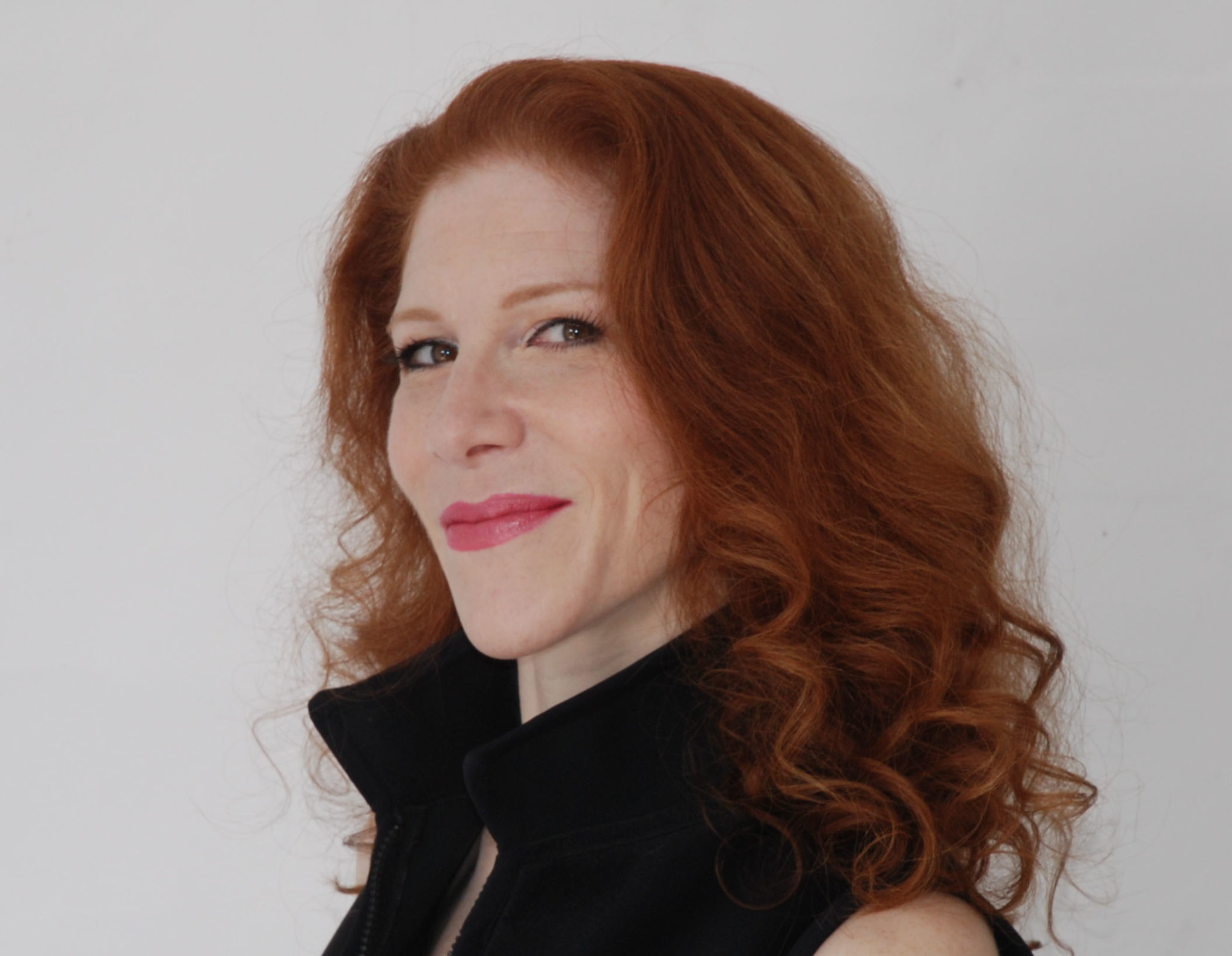
We had a long lunch in Sausalito, after Coyote had finished his daily hours of guitar practice and probably, meditation. He admired my dog and noted that after many years, he finally feels ready to get one of his own. He retains his renowned charisma, focused intelligence and yes, movie-star looks, all leavened now by age, spiritual study and discipline. But as revealed here, even that equanimity is not enough to keep him in a rapidly changing Marin, and he is finally fleeing northward, albeit not too far. As for the “Rainman” and his “Third Cure,” well, those interested will just have to read his book—after all, he relates here that producing it was “like crapping a porcupine.”

*   *   *   *   *

So, why another book from you? You covered a lot of ground in your previous one

Yeah, and especially why another memoir in particular, right? Well, when I looked back at my early life more recently, I realized I had been operating under a world view that was not exactly accurate—I thought there were just two options—a world of love or a world of power—and the trick was to somehow get the mix right. Love without power is flaccid; power without love is brutal. I had all these mentors who have taught me about the world, taught me about navigating the realms of love and power, and from a conventional point of view I’d say I did alright—it’s not an exaggeration to say that for a time I was an international movie star, maybe not of the first magnitude, but my film A Man in Love did open the 40th anniversary of the Cannes Film Festival. But it was wanting.

Luckily, I had grown up in the household of a very rich man, in which I don’t remember anybody being happy. So that liberated me from being attached to the idea that true wealth was going to be material in nature. At about age 29, I met Gary Snyder, and he was such an exemplar of an integrated life that I was floored. I couldn’t figure out at first what the trick was, how he linked his family life, his political life, his artistic life, his fame, his family life—all of it, until I realized that Buddhism and Buddhist practice was at the core.

Did you start involvement with Buddhism soon after meeting Snyder?

Not immediately, but maybe five years after I met Gary I began courting a woman who was living at Zen Center, whom I subsequently married, and I began formal Buddhist practice. And I didn’t really stick to it diligently for a long time, you know. I was building a career—I didn’t get my Screen Actors Guild union card until I was 39—and I had a daughter to get through school, and we had to save for college, then we had a son. Also, I had chosen a wife who did not want to live in the back of a truck, so I put a lot of energy into earning a living even though it didn’t engage me all that much.

Do you mean that you really weren’t that into acting?

It was never my greatest gift. I’m a much better writer than I am an actor. I might have been a better actor had I had time to really study, but I started late and couldn’t take a year off to go to England, which I would have liked to do. So in some ways, when I was performing, I always felt a little naked and exposed. I came to understand that because of my childhood I had been really traumatized when I was little and that the way I learned to survive was by cutting off my feelings, and learning to see things in a clear observational, unemotional way. It helped me then, but it’s an impediment to being an actor because it often took me a long time to figure out exactly what I was feeling—and knowing what you are feeling is a prerequisite for a great actor. You don’t actually have to be smart, but you can’t act unless you have ready access to your feelings. And I don’t. It’s not easy for me. Even today when I see a script where somebody breaks down in tears, more than half the time I’ll just turn it down. It’s too much work.

But you must have enjoyed some of it, even though you stayed in Marin instead of moving south.

I love the camaraderie of acting, the rehearsing, the problem-solving, but the business of making films is so noxious and fraught with horseshit and ignorance. In fairness, either through lack of talent or age, I could never get to the level I wanted to get—I was 40 when I began, and it’s a kid’s game. I could never quite get access to the great scripts and roles, so by the time I was about 50 my opportunity to be a star with access to them had run out. I was getting the leavings, and I think because I wouldn’t live in Hollywood and didn’t have a publicist and didn’t go to film openings and all that, I was just not in the central corridor of the industry. It did bother me sometimes, as I couldn’t get access to the best stuff, but it didn’t bother me enough to move to Los Angeles, and live a ‘film’ life. I figured that I really lived much more time offstage than on and that that was the life I ought to take the best care of.

Your new book is very much a frank reckoning with your difficult childhood and youth. Not to be too therapist-like here, but do you think you were afraid of really accessing and showing your feelings in acting because that was just too frightening for you?

I don’t know if it was threatening, but I didn’t have any technique to do it. If I couldn’t intuitively grasp what was being asked of me in a role, I was in trouble. So I didn’t seek the challenges as an actor, and every role made me feel as if I’d just gotten away with it. I was very lucky they came to me a lot. I’ve done over 140 films for the screen and TV, but I just never felt fully engaged as an actor.

But you did achieve fame. What was that like for you?

You know, I’m vain enough to want to be famous for something. I wouldn’t mind being famous for being a good writer. When I won a Pushcart Prize, for Carla’s Story, I thought, ‘Holy shit, Raymond Carver, John Updike and Saul Bellow won Pushcarts! Wow!’ That’s good company, so yes I’m proud of that. But just because somebody’s seen you on television, and they elevate you to the pantheon of the cheeseball celebrities on the cover of tabloids in the supermarkets? Gag me. Once I was in Spago with my first wife and we were having a really tough time and she was openly weeping, and here comes a woman with a pad and pencil and a big grin, hanging expectantly over my shoulder indicating she wants an autograph, and I said to her, ‘Are you f—g crazy? Can’t you see my wife is in tears? That this is not a good time?’ Well, that’s no recipe for good manners or stardom, but people will approach you at any time and you’re expected to be charming. I had kids at home and some guy published my home address in a fan magazine without a thought about the risk it might cause. So I don’t care about the fame other than being able to meet who I want to and getting into a restaurant I want to try, and occasionally shining a light on an important issue. Other than that, you can have it.

I recall when you and I were having lunch in Tiburon years ago, a kid followed us out to our cars, and asked if he could take your photo, and then asked, “So, who are you again? I know you are famous but I don’t know just who you are.” It seemed a perfect illustration of the emptiness of fame.

There you have it!

You have also had a good career using your voice for many things, too—that seems a great way to not be visibly recognized.

Yes, that worked for a long time, but Ken Burns sorta took that anonymity away and now everybody recognizes my voice—I joke that he killed my career as a bank robber. But once Christopher Reeves, rest his soul, asked me, ‘Peter, how do I break into this voiceover market?’ And I had to say, ‘Well I’ll tell ya, Chris, as soon as you tell me how to break into the multi-million dollar salary racket!’ I mean, how much does anybody need? Why not leave something for all the guys like me who are not making big money as an actor and have tuition, mortgages and bills to pay?

“How much do you need?” seems a crucial question nowadays.

Indeed. For me, I am actively lowering my lifestyle right now. I make about 20 percent of what I used to make. I got rid of my fancy car and drive a Chevy Volt; I’m buying a house with half the proceeds of what I sold my Mill Valley house for. The new place will need some work on it and I will have to work myself for that, but I don’t mind working for something specific. I just don’t want to work when I don’t have to anymore. My kids graduated debt free and are doing well. I’m 73 years old. It goes by very fast, let me tell you.

I already agree. Back to your book—your father was a powerful but distant guy, your mom seems to have been fragile, and it reads like you were looking for other parents, other family for a long time—and that your childhood had a big impact on your marriages and relationships with women.

When I was a little kid, my mom had a nervous breakdown and she was a ghost for a couple of years, and I think it triggered this little ‘make the mommy feel better’ gland. And it’s so convenient, to always be helping others. It makes you feel needed, powerful even, and you don’t have to worry about your own problems. I’ve given that up. It only took 50 years. There was nothing truly wrong with the women in my life; it was more my feeling that I was somehow responsible for their suffering or helping them.

You also wrote that your need for lots of solitude also made relationships hard for you.

I think my wives could never really grasp what a hermetic person I am. When I was working on this book, one day my wife said, ‘You’re just hiding out from life.’ True, I’d go to my office all day every day, and swim around in my thoughts and memories to write. But getting this book out was like crapping a porcupine.

You wrote that reading—a solitary pursuit— has always been crucial to you.

Yes, when I was in 4th grade, I went to a lovely little school called the Elizabeth Morrow School in Englewood, New Jersey, and my desk was back in the far left corner next to a bookshelf of little orange books that must have run 15 feet—biographies of famous people mostly—and I resolved to read them all. Then there was a series called the Landmark Books, and I read them all. Then the Oz books and I read all those, too. Then Lad of Sunnybrook Farm, and the Black Beauty series, and I never stopped. I think what I found in books was a freedom in my imagination that I could not find in my physical life. My parents were hyper-vigilant, always worried about me. My mom worshiped Sigmund Freud and got everybody in the family but herself into analysis. She was always scanning me for potential problems or telling me what I was really thinking and feeling and it made me very angry. She sent me to therapy when I was 11 and one day the therapist asked me, ‘Why are you here?’ and I said, ‘Well, I do this, and this, and this,’ and ran down a litany of complaints that my parents complained about. And he said, ‘Yeah? And who is that a problem for?’ and I said, ‘Well, it’s a problem for my parents,’ and he said, ‘OK, you go home and send your parents in to see me!’

Sometimes it takes many years to get some perspective on those childhood family influences

Just last fall, I was visiting a wonderful therapist I check in with once in awhile just to touch base and he said to me, ‘You do know your parents were crazy, don’t you?’ And I said, ‘Oh sure, yeah …’ And he said, ‘No—your parents were crazy, certifiable. It was as if God asked himself, ‘How can I give this boy the toughest adolescence possible?’—because that’s what you had.’ And I felt this strange sense of relief, as if my life had been seen.

Rainman's Third Cure_FINALYou really do lay yourself bare in this book.

Why write otherwise? I think that as long as you don’t take cheap shots, especially against those who can’t answer back, you should tell the truth. And, like in acting, if you are really specific and honest, some elements become universal in a funny way.

You write movingly of your mother’s death, in a hospital, and how a nurse offered in a crudely timed manner to “help” her die sooner. It’s a striking story, as this issue of “assisted dying” is in the news right now, with possible legalization in California coming. Any thoughts on that?

I think you have to begin with the observation that everything has a ‘shadow’—so while I agree with the concept, there will be people who may take advantage of this in certain ways—let’s save the estate by getting mommy gone a little earlier, and so forth. But it comes down to the question of whether or not a person has the right to control their manner and time of their death. If you ask me as a Buddhist teacher, I am categorically against suicide. But the world is not my student and that is just my opinion. So if somebody is wracked by pain and there is no way out, they are not going to get better, and they choose to start over or—as the Dalai Lama once said, ‘Change their clothes,’ I don’t think it’s my business. It’s like abortion—I don’t have a womb, and so I stay out of the debate, except to support the right of women to make their own choices. Some women would think nothing of sacrificing a son to the military in a fruitless war, but would never consider an abortion for any reason. That’s curious to me. Of course there would need to be safeguards in place and all that, but nothing will ever be foolproof and we have to accept the errors along with the choice. Which is why I’m against the death penalty.

You were close to Robin Williams. Any thoughts on his dying?

I wrote a piece online that went viral, about Robin’s great gift. Likening it to a thoroughbred horse of near magical ability. The problem was that it was never adequately trained. Sometimes he would get on it and it would take him (and us) into magical dimensions, but at other times it took Robin where it wanted to go. That was the great tragedy for me, that his greatest gift actually killed him. Had he had some sort of spiritual training, he might have been able to wait out the bad period he was going through, but he was always in the saddle, and this trip took him over a wall with nothing on the other side.

In your first book you wrote at length about your role in the Diggers, prototypes for the whole Haight-Ashbury ’60s scene. Are you still in touch with any of them?

Certainly. In fact, just last year I called all the surviving Diggers and Free Family folks together—108 of them. I wanted to organize a relief effort to help some of our members who were old and poor—about six of them. I tried first on the Digger website, asking people to why not list their skills—if I need a lawyer or plumber, why not a Digger lawyer or plumber? And people got really indignant and angry with me for dealing with money. Even old and very dear friends I really respect. I tried to point out that if we were candid, the Diggers were like an art project—we were never the model of a viable alternative economy. We were living off welfare payments to mothers with children, selling dope, bartering, doing all sort of things including thievery.

So I decided that I was not going to fight my oldest friends, and I apologized, saying that I understood that this had become sort of a religion and apologized for being insensitive. I started a new site called the Free Family Union, and virtually everyone came over.  So one thing I learned is that everybody has their own reasons for joining a group, and they may not see it the way you do even if you started it. Most everyone in this group now lived in the world, made money, paid taxes, but they had this idealized memory of the Diggers as a place of purity. It’s a common delusion that there’s some other world other than this one with all its warts and angels where we can live. Well, my Buddhist practice has informed me that there is no pure place outside of the world to stand—the world is exactly what it is, and if you can’t find your happiness and joy in this world, with ISIS, with Hitler, with Mother Teresa all mixed up in it, you’ll never find it. What a shame, to pass up the opportunity for joy because it feels trivial or inadequate next to the suffering of others—who are searching for joy, by the way. So once the new group got rolling, I backed out a little—and this goes back to another downside of “fame”—that you become a touchstone for people’s projections and ideas of you. They still come to me either overly deferential, or as if they perceive me thinking that I am a big deal and it is their job to take me down. It smothers you in thoughts and can get tiresome. So I find things work really well without me, and I just participate like anybody else when I feel like it. And we are supporting six people, giving them each about $200 a month. It’s a big bump of grace to people living solely on Social Security, and I wish we could do more.

On a broader level, how about the whole ’60s idealism, what it all might have meant in the longer term? I mean, the “revolution” did not happen, but some lasting impacts seem to have occurred

That’s right. In the ’60s, you could say we lost every political battle. We didn’t end capitalism, racism, war, violence, we didn’t create a world of love and peace, and we just have to accept that. But, it’s also true that we won every cultural battle. There’s no place in the U.S. today where there is not a women’s movement, an environmental movement, civil rights, and so on. Paul Hawken, in his book Blessed Unrest, pointed out that if you aggregate all these little or big individual struggles, it’s the largest mass movement in the history of the planet. There’s also no place you can go where there are not alternative spiritual practices—yoga, Buddhism, organic or slow or local food are spreading—these things exist in the realm of culture and that realm is much deeper than politics. And when people have lives that are meaningful to them they will hold and defend them. Back then, the Diggers couldn’t believe people would throw themselves onto the barricades to become part of Marx’s lumpen proletariat, but today I’m watching farmers in Nebraska fighting for their water, watching people fighting to keep big-box stores out of their towns, to stop fracking, all over the country. So we were cultural warriors, and I take a lot of pride in the changes we started. It’s not the end of the battle by far—this generation and others will have their own struggles, but we played for keeps, gambled everything, and we moved the marker an appreciable amount.

Perhaps the most visible mark of that is a black president, something unimaginable not so long ago.

Yes, and yet there is still a huge population who cannot stand the thought of a ‘N—r in the White House.’ He gets a huge number of threats every day. People with guns stalked around his early speeches. What do you imagine might have happened if the Black Panthers had shown up armed to a Reagan speech? It would have been a bloodbath. Anyway, he might not be the black president I might have wanted, but I admire him, and I’m not in the hot seat with him and so I temper my judgments a bit because I remember my days on the Arts Council and some of the flak you get for anything you do. That’s not a pass by any means, but … that’s a whole other subject.

Drugs were a big part of the ’60s, and of your own life. Any lessons there?

I was addicted to just about everything. We made a lot of mistakes there. But I can remember superficially how and why so many of us got into hard drugs. If you’ve taken on the charge of imagining a new world and acting it all out, one thing you have to demand of yourself is, ‘Suppose my imagination has actually already been tamed, colonized, and all my grand visions and plans are simply permitted within the parameter of a bigger field that just appears to be liberated, but is still inside the fence of the majority culture’s values?’ That was a very scary thought. So one of the ways you could test yourself was to take substances—speed, heroin, cocaine, acid, DMT and STP—substances the establishment was terrified of. And of course when you do that in your 20s you have no idea of the toll it will take on your body and health. Acid was different, though. Everybody I knew who took acid took it as a kind of spiritual pilgrimage. What we never anticipated was that the next generation would take it to trip at the mall and that it would become a spreading, indulgent, sensual party, stripped of spiritual dimensions.

The time may finally be coming when marijuana becomes legal in California. Lieutenant Governor Gavin Newsom—a Marin resident—has a statewide panel report just out that recommends decriminalization. The state medical association favors this, too. These are hardly radical organizations, and I’ve served on both panels and it seems there is a critical mass forming on this.

There has never been a drug law in this country, since the Civil War morphine laws, that has not been based on bullshit. Every one of these ‘expert panels’ convened to study the subject, from LaGuardia through Nixon and Kennedy have said, ‘Forget the drug war,’ decriminalize it, help people kick or give them maintenance doses so they can contribute to society. Even the drug pushers want the ‘risk premium’ that raises the prices of drugs due to their illegality.

Music was another huge part of those times, and you write about being very into playing and listening from a very early age. Years back I heard you do a whole set of what you called “country death rock” at the old Sweetwater. Are you still playing?

Music is a huge part of my life. I’d probably believe in God if I’d only been given the talent to be a professional musician. I was playing guitar for two hours today before I came to meet you! But it’s not my gift. We had a six-bed bunkhouse in the Olema commune and musicians would come out and stay, like Paul Butterfield and Michael Bloomfield, and we’d stay high and play music for days. And in the book I recall hearing sax greats Al Cohn and Zoot Sims playing in my house, and it was the first time I’d seen grown-up people having so much fun.

Your book starts and ends with you in Zen sesshins—extended, intense meditation retreats—some 40 years apart, at Green Gulch. In the latter, the more recent one, you relate a profound experience, a sort of breakthrough as it seems. But you don’t name it.

Yeah, the Japanese call it a ‘kensho’ experience, but right, I didn’t want to name it. When I started out in Zen, that was the thing to strive for, and if I could get that, I thought I’d never be uncomfortable, awkward —I’d be enlightened, the coolest guy in the room. Somewhere along the line that notion falls away, and you realize that if you have an idea of yourself over here and enlightenment over there and they are separate, they are never going to come together. The truth according to the Buddha, is that we are all enlightened, that it is our basic nature, but we don’t or can’t pay attention to it, or even believe in it. So the second thing that happens when you have an experience like that is that you understand that it is not so important after all. Nobody really cares about my personal experience. What they might care about is how I live my life—am I kind, compassionate, helpful, vigorous, wise? And if I’m not, what difference does my personal enlightenment really make? I wondered if I might get some blowback or distort the meaning of the experience by describing it, but I discussed it with my Zen teacher, and he said, ‘Sure, include it.’ But more important is what he first said when I reported it to him, which was, ‘Don’t try to hold onto it!’

What did the actual process of taking vows and becoming a priest entail for you?

First, I would never put myself forth as a teacher of any kind, because I could never think of how to do it without my stepping forward becoming an expression of ego. One of the reasons I became a Zen Buddhist was because of the custom of ‘transmission’—that you don’t teach independently until you are given permission to teach by your teacher and by the students you have been practicing with. And that saves you from being one of the guys who just show up and announce that they are gurus, set out their shingle. A lot of abuses stem from that. So at a certain point my teacher told me it was time to start teaching, and when I demurred that I was not ready, he said, ‘There are people behind you who you can help, and others you can learn from.’ And he and four other teachers had established a three-year priest’s training program, kind of like a divinity school, to try to train priests to be alert to some of the hazards that arise when you are in a position of authority—transference, countertransference, women being attracted to you, financial improprieties and so on. I told him I didn’t want to be a priest but would take the class since he asked me to. And I was so impressed by the caliber of the other 40 or so people in it, I followed through.

Being ordained is kind of like having a Ph.D.—you don’t have to use it, but it is a kind of accreditation. I wanted to step up my game, so I ordained as a priest, and now I’m studying to receive transmission from my teacher. I’m not sure I’ll even use the term ‘teacher.’ My old friend Dan Welch, one of the first students of Suzuki Roshi [founder of the San Francisco Zen Center] uses the term ‘Dharma Friend’ and I probably will too, to sidestep these traps and props of hierarchy and status, all of which are very Asian, and Japanese, and not all of which are helpful. I’m not overly enamored of classical Japanese Buddhism, which is what Suzuki Roshi was seeking to escape by coming to America. My intention is to help make Zen vernacular here, eventually less exotic, something that would make sense to garage mechanics and ranch hands. My teacher and I refer to it as the ‘thousand year project.’ So, I only wear my robes for very formal ceremonies like weddings and funerals, and haven’t shaved my head, as most Buddhists in the world do.

Speaking of time, you’ve lived in Marin for many years. But now you are moving. Why?

Yes, I am moving to Sonoma County. I’ve had it with Mill Valley. It’s become so crowded, so much traffic, and so little responsibility has been devoted to the carrying capacity of the area. We are seriously overpopulated just with respect to water. As far as I’m concerned, every successive group of supervisors and commissioners have been bought off by developers. I saw some of that with my own eyes. I first came here in 1965, and loved it, and then moved to Zen Center in the city. I returned in 1983, as my daughter was getting mugged for her lunch money in the Fillmore.

Twenty-five years ago I participated in a series of meetings called ‘Take Back Our Town.’ Over 700 people showed up, and we wanted to use water as the basis of determining population. Wanted to cut down traffic. We even ran people for office, but the developers outspent us six to one, and have been building ever since.

Now traffic has reached critical mass, IT money is coming in and bidding houses for hundreds of thousands over asking price, all cash. It feels like the town is filling with people who ruined and fled the last place they lived. I walk on the marsh path with a plastic bag picking up organic yogurt cups and Kleenex and all sorts of trash our newly enlightened denizens fling away at will. I’ve seen people in Whole Foods yelling at a young mother for being too slow to move her cart due to trying to corral two children, and so many times people honking and screaming at one another in their cars for no reason—IN MILL VALLEY! Well, they’re all stressed because it takes so much money and so much work to live here. Couple that with the entitlement that dictates that we are entitled to the best of everything and you have a toxic broth in a paradisiacal setting. I have friends here who are not that, but we are like the proverbial frogs in the water that is being heated slowly. Meanwhile I am spending too much time in traffic, and it’s maddening. The water issues will only get worse.

I feel I’ve spent 40 years fighting for this great place, trying to preserve it, and I’m going to spend what is likely my last vigorous decade not fighting anymore, perhaps helping others, and leave before I get cooked.

Ask Steve what Coyote taught him at le*****@********un.com.

HOLD THE DATE: Peter Coyote will be doing a talk and book signing at the Commonweal Retreat Center in Bolinas on Sunday afternoon, July 19. Details to be posted closer to the date at commonweal.org.


Upfront: Affordable housing oasis in West Marin?

by Peter Seidman

The second shot at a bill that would get the federal government to help Marin provide affordable housing in West Marin is sitting in Congress. That’s the good news. The bad news is that the bill has little chance of passing. But affordable housing proponents are firm in their efforts to make a project happen.

Although the odds seem stacked against them, affordable housing advocates, the county Board of Supervisors and Congressman Jared Huffman remain committed to giving it the old college try.

At stake is a surplus United States Coast Guard property in Point Reyes Station. The Coast Guard built housing there for people who worked at a nearby communications center, a complex of 10 two-story townhouses to house 36 men and their families. Another building, a two-story dormitory-type structure was built to house 42 single men on the 37-acre site. The Coast Guard spent $1.1 million to build the complex in 1972. As many as 185 people lived there at one time, which increased the population of Point Reyes by a sizeable percentage.

The Coast Guard eventually changed its housing policies and plans for housing, which affected the Point Reyes complex. Rather than maintain the complex at Point Reyes, the Coast Guard distributed housing vouchers for the employees at the communications center, allowing them to live in nearby towns. That meant that the Point Reyes property was no longer needed. It went on the surplus list and is slated to be sold within the year, most probably.

The Coast Guard intends to sell the property to the highest bidder in its 2016 fiscal year, which starts in October of 2015.

A group of affordable housing proponents, elected officials and members of the Community Land Trust Association of West Marin (CLAM), recognized that the surplus Coast Guard property would be an ideal site for affordable housing, which is badly needed in West Marin. But competing on the open market in an open bidding battle to submit the highest offer was, and is, a daunting proposition.

Congressman Huffman, who represents Marin, Introduced a bill in the House of Representatives in November of 2014 to allow the county and CLAM to buy and manage the property in a fair sale process but without the pressure of an open bidding war. The idea was to compile a fair-value price and then arrange for a sale based on it.

Marin Supervisor Steve Kinsey, who represents West Marin, stepped up and asked his colleagues on the board to support the effort. In a November 25 letter, Kinsey asked them for a resolution of support for Huffman’s bill, the Point Reyes Coast Guard Housing Conveyance Act.

“An extraordinary, unique opportunity to create affordable housing in West Marin is before us,” Kinsey wrote. “The U.S. Coast guard is about to sell its 30-acre property in Point Reyes Station, which includes 36 housing units and other community facilities. Normally this sale would go to the highest bidder, through an auction by the U.S. General Services Administration.

“As we know well, the current market forces and the coastal permit process combine to make constructing new affordable housing in West Marin almost impossible.

“Recognizing that an opportunity like this one may never happen again in West Marin, I have been working closely with County staff and Congressman Huffman to pursue this unique property for the benefit of Marin residents. Congressman Huffman has taken a leadership position in drafting [the legislation], which would require that the Coast Guard convey the property to the county of Marin, based on a value to be determined by a real estate appraiser to be selected by the County, and with the consideration of equity and fairness, reflecting the depth of need for affordable housing in West Marin.

“Senators Barbara Boxer and Dianne Feinstein have expressed strong interest in sponsoring similar legislation during the coming ‘lame duck’ legislative session.

“The Community Land Trust of Marin is an active partner in the pursuit of this property, and, should it go forward, would be a logical partner to the county in supporting the acquisition of the property, its conversion from military use, as well as the future management of affordable housing on the property. An extraordinary level of support has been expressed by the community for the project …

“Please join me in sending a resounding message of support to our congressional representatives for the proposed bill, as well as our great appreciation for their efforts to enable this critically important acquisition via direct negotiation, versus a GSA auction. The success of this project would be a legacy for generations to come.”

The heartfelt nature of the proposal is especially understandable considering the number of affordable units that could become available at the Coast Guard site. And they could become available without traveling the strict and often difficult-to-navigate road through planning and environmental rules and regulations. That’s because housing already is a historical use on the property and making it affordable to civilians would not change that use as it relates to planning and environmental regulations.

The total number of housing units that could be added on the site might not seem huge, but given the total number of residents in Point Reyes, the significance of the property comes into focus. Using the property for affordable housing could create units for the equivalent of about 10 percent of the town’s population of about 870 residents.

Despite the support of Kinsey and his fellow supervisors, who unanimously supported the Kinsey resolution, the bill Huffman introduced in the House to get the government to sell the property without an auction, H.R.5684, died a fairly quick death in the 113th Congress last year.

But Huffman is taking another grab at the brass ring this congressional session. He reintroduced the idea of getting the feds to convey the Coast Guard property to the county without going to an auction. The reintroduction is contained in H.R.1402 and remains alive. It’s currently in committee.

In a statement made when Huffman introduced his first version of the legislation in November, he said, “The dearth of affordable housing in West Marin has pushed more and more working-class families out of the region, negatively impacting families and making it hard for local businesses and agricultural producers to find long-term staff. We have a rare opportunity to provide affordable housing to the Point Reyes community without impacting the existing landscape. I’m glad that this effort has received such strong support from the local community, and my bill would ensure that we are able to capitalize on this opportunity.

“The potential acquisition of the Coast Guard housing facility presents a chance to significantly improve affordable housing in West Marin.”

Kim Thompson, executive director of the Community Land Trust Association of West Marin, said, “This 30-acre site, in walking distance of downtown Point Reyes Station, could provide much needed affordable homes at a time when many local families are being displaced due to land speculation and the conversion of rental homes into vacation rentals.” We strongly support Congressman Huffman’s efforts to put this site into the community’s hands, and hope that Senators Feinstein and Boxer will take up this effort in the Senate.”

CLAM and fellow supporters of affordable housing in West Marin note that the situation along the coast is dire for many lower-income people. They must compete for housing in an area where housing units are eliminated from the market because wealthier people use properties for second homes.

According to CLAM, “Escalation of home and land prices in the Point Reyes National Seashore area have dramatically reduced the rental market, escalated rental prices, and made affordable home ownership for working families impossible. There is widespread recognition that the communities surrounding Tomales Bay are in danger of being hollowed out by market forces that promote displacement of local residents and those who work locally. Community ownership of [the Coast Guard site] would provide affordable homes that are the anchor of community health.”

CLAM also points out that “the creation of affordable homes and community assets at the site will not involve any additional building footprint; rather, it will involve the wise re-use and ongoing stewardship of existing buildings.”

In addition to the housing units that could be offered to lower income residents on the site, the property could add what CLAM calls valuable “community space.” CLAM notes that dozens of community groups, schools and organizations are supporting the effort to turn the property into an affordable housing oasis.

In what looks like a repeat of the legislation’s path last year, the newer version that Huffman introduced in this Congress rests in committee. Govtrak.us gives the legislation a dismal 1 percent chance of becoming law.

But that dismal prognostication isn’t stopping CLAM and other supporters in their efforts to convert the Coast Guard property to affordable housing. The feds are still scheduled to put the property up for auction starting sometime in October. There’s still time to convince and persuade, say supporters of the affordable housing project.

Contact the writer at pe***@******an.com.

Video: Familial dismantlement

0

by Richard Gould

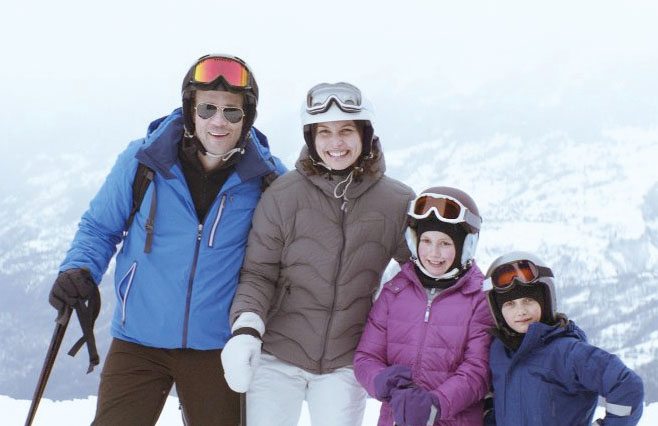
The Swedish FORCE MAJEURE is a reminder that movies about family come in 31 flavors, and I’ve never seen one that strikes quite the nervous mood of Ruben Östlund’s black comedy – a mood that’s heightened to goosebumps by Östlund’s long unblinking takes and his camera’s glacial stillness. A family of four’s ski vacation to the French Alps places them in matchless beauty and splendor. Walls of mile-high slopes and spires are their backdrop, and the gleaming resort itself – a cross between the Overlook and Mann’s sanatorium – seems to elevate the well-scrubbed kin to perfection in the way money will. But that all takes a hit one morning over breakfast, when a controlled avalanche seen from their outdoor café starts to become less so – and, bringing half the mountainside along with it, proceeds to wallop right down onto them all (that scene, taken in a single shot, is a special effect for the ages). Thankfully, the disaster is a near miss, but there’s a problem: Husband Tomas bolted from the table alone for safety, leaving mother and children to fend for themselves. As they settle back to their meal under a light dusting of snow – and for the rest of the film – things are decidedly awkward. Shy to look that frozen moment in the eye, Tomas instead sees a piecemeal dismantling of himself creeping in, while wife Ebba finds her attempts to take it all ironically fraying at the edges. Fortunately, the best skiing on the continent awaits them as a diversion. Pitiless, mordantly funny, heart-rending.

Letter: ‘It was impossible to miss the irony … ‘

Isn't it ironic? It was impossible to miss the irony in the juxtaposition of Tanya Henry’s totally lame defense of Marin with the photo of what appears to be a monochromatic Pacific Sun staff and Bob Heinen’s whites-only photo layout celebrating The Best of Marin. Say again, Ms. Henry? Karl J. Hittelman, Corte Madera

Letter: ‘Plainly we have been deceived … ‘

'Cyclists will still have to suffer' The latest Road and Trail Management Plan (RTMP) meeting was an eagerly anticipated meeting for Marin County cyclists, who, after years of work and cooperation on the RTMP, looked forward to safer, more connected and more enjoyable networks of roads and narrow trails on their Open Space lands. Because of draconian trail restrictions, off-road...

Food and Drink: Cider and wine–oh so fine

by Tanya Henry In case you haven’t noticed, hard ciders are seriously trending at the moment. Given the ongoing interest in craft cocktails, shrubs, beer and even mead, it’s not surprising that this bubbly beverage is getting some time in the spotlight. Jan and Louis Lee of AppleGarden Farm in Tomales are producing limited quantities of their estate cider made...

That TV Guy

by Rick Polito Friday, April 24 Night at the Museum: Battle of the Smithsonian For most visitors, the Battle of the Smithsonian is dragging the kids past the gift shop without spending any money. (2009) Fox. 8pm Bruce Jenner: The Interview Researchers say that the best way for a middle-aged Olympic medalist with a neurotic need for attention to explore feelings...

Advice Goddess

advice goddess
by Amy Alkon Q: I’m new to online dating. I’m a nice, good-looking guy with a good job, but I have a muscular condition that causes me to shake a lot. I’m not looking to fool anyone, but I don’t want to advertise my condition on my profile because it’s so personal. My last date was several months ago, and...

This week in the Pacific Sun

In this week’s issue of the Pacific Sun, Steve Heilig interviews Peter Coyote about his past, his new book, his spiritual practice, his upcoming move and more. David Templeton taps into the craze over the trailer for the new Star Wars movie, and Charles Brousse reviews plays at the A.C.T. and the Berkeley Rep. Wondering what the latest is...

Horoscope: What’s Your Sign?

All signs look to the 'Sun'
by Leona Moon ARIES (March 21 - April 19) All work and no play made Aries a rich fire sign! Get ready to cash in big on April 23. Prep and prime yourself for an unexpected meet-and-greet with that elusive CFO who also frequents Trader Joe’s in the morning. There’s no time like the present, so you better present your...

Feature: Looking back and moving on

By Steve Heilig Peter Coyote was once voted “Marin’s favorite celebrity” by Pacific Sun readers, although he probably wasn’t too excited about that. But there’s no denying his fame. He has appeared in more than 140 films and television shows, and narrated more than 100 projects, including documentaries by the likes of Ken Burns, PBS, National Geographic and more, as...

Upfront: Affordable housing oasis in West Marin?

by Peter Seidman The second shot at a bill that would get the federal government to help Marin provide affordable housing in West Marin is sitting in Congress. That’s the good news. The bad news is that the bill has little chance of passing. But affordable housing proponents are firm in their efforts to make a project happen. Although the odds...

Video: Familial dismantlement

by Richard Gould The Swedish FORCE MAJEURE is a reminder that movies about family come in 31 flavors, and I’ve never seen one that strikes quite the nervous mood of Ruben Östlund’s black comedy - a mood that’s heightened to goosebumps by Östlund’s long unblinking takes and his camera’s glacial stillness. A family of four’s ski vacation to the French...
3,002FansLike
3,850FollowersFollow