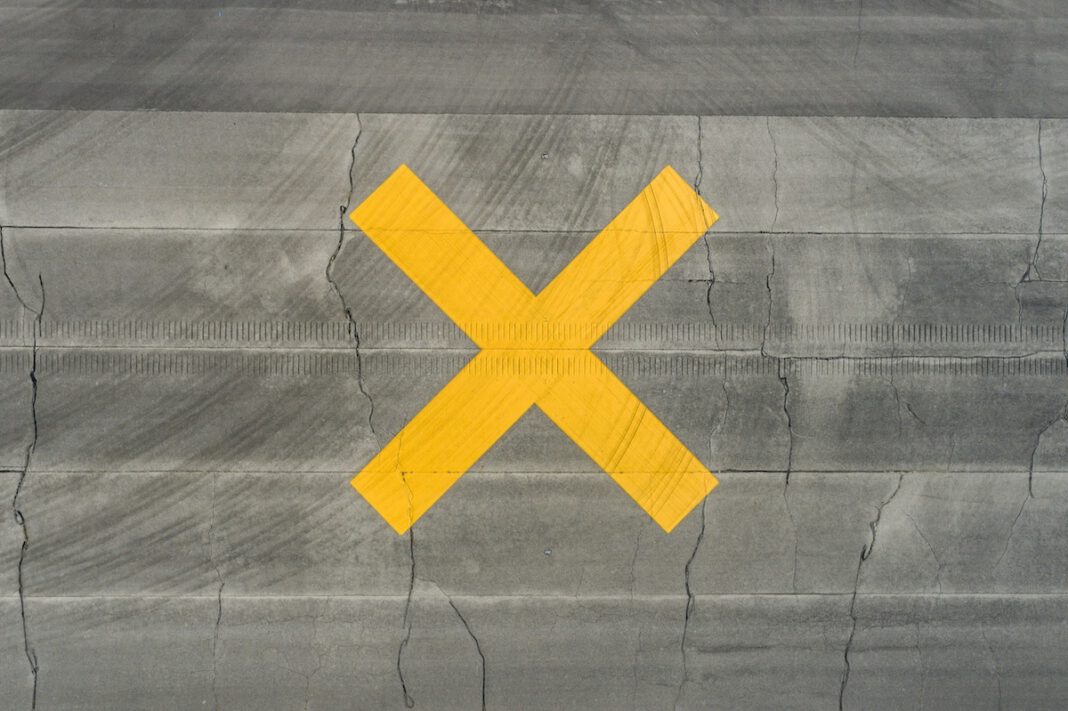
Measure X is being marketed to voters as a common-sense economic measure. Promoters argue that adopting these sweeping changes to current planning laws will attract crucial investment, allow existing local businesses to thrive, and significantly expand the tax base. The core premise is that the new commercial development allowed by Measure X will pay for itself, while also offsetting the cost of what city officials say is $100 million in overdue infrastructure repairs. Moreover, proponents argue that putting future approval over planning decisions in the hands of the city council–not voters–will streamline development and remove burdens from local businesses.
Sounds good, right?
The problem with Measure X is exactly this: it sounds good. But is it? The answer is that we don’t know, because thus far, no one has performed or presented the public with the vital mathematical analysis that backs up Measure X’s claims. To make a fully informed choice at the ballot box, voters need concrete, transparent financial models. At a minimum, we deserve clear projections showing how much development we can expect over 10, 20, and 30 years. Further, we need to know what that growth would cost in increased traffic and infrastructure wear; what revenues the measure would generate through property, sales, and hotel taxes; and a detailed breakdown of the deferred repairs Measure X proponents say new tax revenues will fund.
Measure X asks residents to make two momentous decisions simultaneously without adequate preparation. First, it asks us to approve a wide range of land-use changes–including building limit increases up to 10 times current allowances–with no fiscal model. Second, it asks us to permanently forfeit our right to vote on future planning changes.
My most recent documentary film, “Counted Out,” explores the ways in which a thriving democracy depends on a citizenry with both access to, and an understanding of, the quantitative facts underlying public decisions. When legislation would dramatically alter citizens’ lives, including their right to shape future decisionmaking, proponents owe the public complete transparency. Because they haven’t shown us the math, the logical–and democratic–response to Measure X is No.
Vicki Abeles, a Sausalito resident and former Wall Street attorney, is the director of “Counted Out,” a documentary about math and democracy, and the author of the New York Times best seller “Beyond Measure.”