As Andy Williams crooned about the holidays, “It’s the Most Wonderful Time of the Year.” For many people, that’s true. But the season’s gatherings, noise, food and travel may not bring good tidings to four-legged family members.
We enlisted the expertise of Lisa Bloch, Marin Humane’s communications director, to provide a do and don’t list designed for our animals’ comfort and safety during this busy time. And she updated us on some essential programs at the shelter that help pets and people throughout the year.
“Just as the holidays can be stressful for us, they can also be stressful for our pets,” Bloch said.
Having a quiet place for the dog, cat, bunny or bird to retreat to when needed is essential for relieving any anxiety they may feel while the home is filled with family and friends. And with company coming and going, Bloch points out that pets may inadvertently head outside, making it critical that the animal is microchipped and wearing identification.
Holiday fare and even a popular seasonal plant could also pose problems for pets. Chocolate, some nuts, alcohol and caffeine are just a few of the holiday staples that are toxic to dogs and cats. The colorful poinsettia contains an irritating sap, which is mildly toxic to dogs.
“It’s important to review lists of common poisons to both cats and dogs and keep a close eye on them to ensure they’re not sneaking into the trash or getting into trouble,” Bloch advises.
If one suspects that a pet has ingested a toxin, they should seek veterinary care immediately. Marin has two round-the-clock vet clinics, the Veterinary Emergency Group (VEG) in Larkspur and the Pet Emergency & Specialty Center of Marin in San Rafael. The ASPCA Poison Control runs a 24/7 hotline that can be reached at 888.426.4435.
This year, if one isn’t hosting holiday shindigs at their home, perhaps they’re among the 122.4 million Americans that AAA estimates will be traveling from Dec. 20 through Jan. 1. Travel raises a couple of considerations for people with pets. Should the furry kids go along or stay behind with a sitter? Both options have pros and cons, and proper planning is the key to a worry-free trip.
“First, ask yourself if your pet truly enjoys going to new places or whether they would be happier at home,” Bloch said. “If they do enjoy new places and experiences, ensure you’ve got all their creature comforts, including beds, toys and favorite foods. Also, be extra careful not to let them wander since they’ll be in unfamiliar territory, and again, make sure their microchip is up to date.”
For animals that won’t make the trip, finding the right caretaker for them will ease a pet guardian’s mind and allow for an enjoyable vacation. Bloch recommends vetting the person thoroughly by checking references and having at least one “meet and greet” with the sitter and pet.
To avoid any misunderstandings, one should spend time making a list and checking it twice for the caretaker, including the veterinarian’s information and an emergency contact or two, such as a neighbor or friend. Helping the sitter understand the animal’s needs, likes and fears will go a long way to making the stay a success.
“Be sure you’re very clear about expectations, in terms of exercise for your pets, feedings, litter box changes, etc.,” Bloch said. “And ask for photos or videos of your pet while you’re gone, something most pet sitters are happy to do.”
Those with a more mellow holiday schedule may want to consider giving the gift of foster care for a shelter dog, cat or rabbit. Recent research proves what shelter workers have long suspected: Being in a home rather than a shelter significantly reduces an animal’s stress level.
A 2020 study conducted by Virginia Tech, “Evaluating the Effects of a Temporary Fostering Program on Shelter Dog Welfare,” found that even short respites—one or two nights—from the shelter were of great benefit for dogs. The non-invasive study methods included measuring cortisol levels and resting pulse rates, leading researchers to conclude that the comfort of a home versus the social isolation of a shelter makes a remarkable difference.
Based on this research and other studies, Marin Humane’s foster program has evolved. The agency is actively seeking fosters, either individuals or families.
“Marin Humane, like many shelters, used to have strict guidelines about who could foster, what kind of home the animal could go to, the minimum lengths of time the person had to commit to and more,” Bloch said. “But we realized these limits were unnecessary and kept animals from getting the shelter breaks they needed—often causing behavioral issues that made them less adoptable.”
With relaxed restrictions, giving Marin Humane’s animals a holiday from the shelter is easier than ever. There’s no cost for the foster person, except to provide companionship and a comfortable home for at least a night or two. Bloch suggests taking a second look at the larger pooches, who typically have much longer shelter stays because fosters and adopters gravitate toward small- and medium-sized dogs.
Another way to give back to pets during the holiday or any season is by supporting Marin Humane’s Pet Safety Net program, which offers year-round support for struggling pet parents. While having a pet involves expenses, all socioeconomic groups deserve the benefits that come from the companionship of an animal. Marin Humane helps break down financial barriers to pet guardianship.
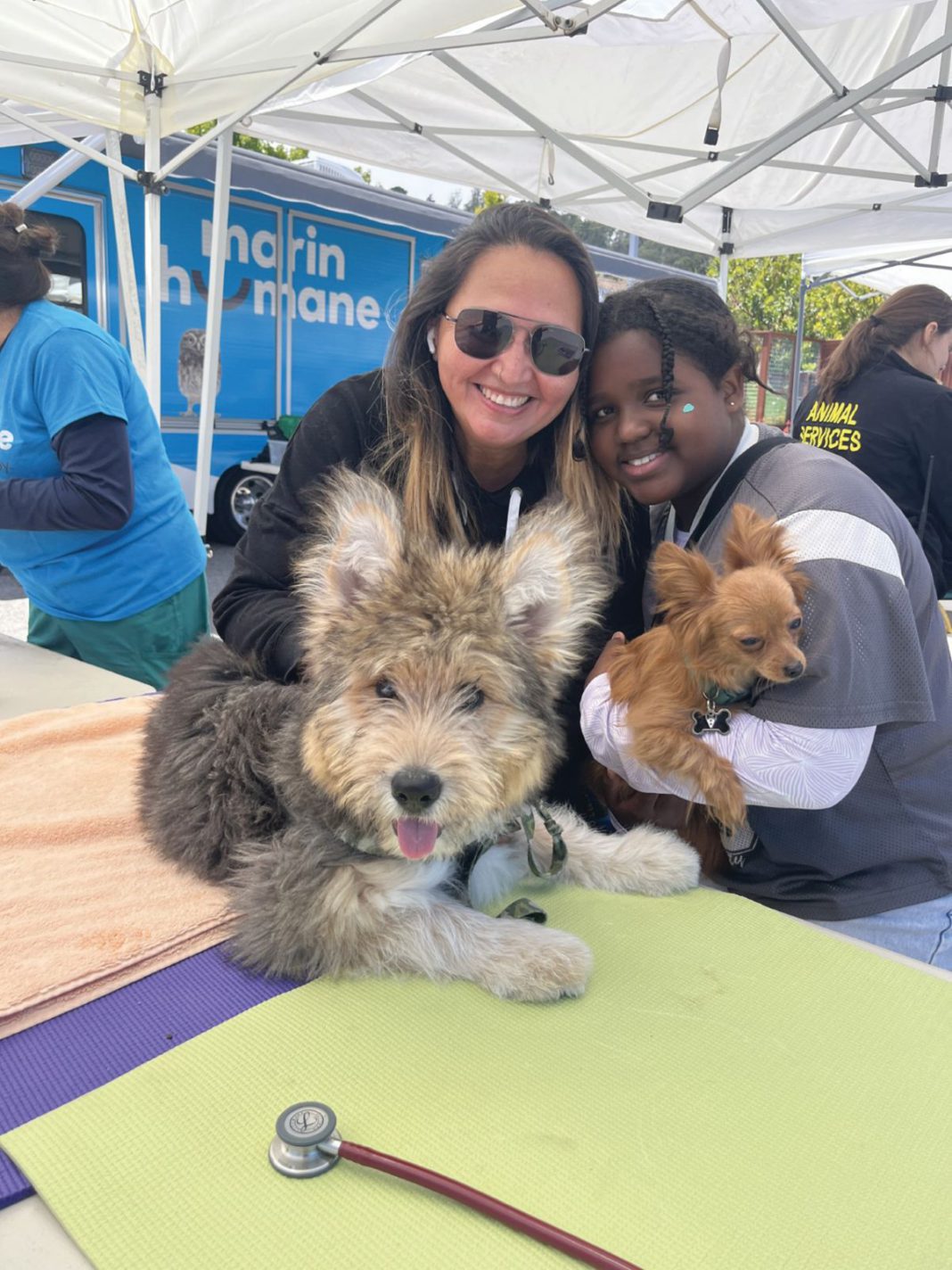
Free community clinics take place around Marin County on a quarterly basis, where services include pet exams, vaccinations and microchipping. Pet food and supplies are also distributed at the clinics and throughout the year at Marin Humane in Novato. Spaying, neutering and other vet care may also be available for low-income Marin residents.
During the holidays or any time of the year, pets play an important role in the lives of humans. Companions and exercise buddies, animals help reduce our stress and loneliness, provide physical health benefits and offer seniors and others social and emotional support. All they ask for in return is a little TLC and some tasty treats.
Contact Marin Humane for more information about foster care, adoptions and the Pet Safety Net programs. Visit marinhumane.org or call 415.883.4621.