Nature lovers know that scientists who study the health of bird populations and their habitats in the San Francisco Bay Area have detected an alarming decline in bird populations.
A report published in January by the San Francisco Bay Joint Venture and Point Blue Conservation “points to a concerning decline of shorebirds over the past two decades.”
Julian Wood, the San Francisco Bay program leader at Point Blue, said, “I was shocked. The declines range from 25% to 86% for some of these birds since 2006.” The last such report was published in 2011. These reports are the product of a monitoring program that encompasses 20 different bird species, five in different habitat groups, with more than 100 volunteers participating. Wood is hoping people can see value in habitat restoration and “enjoy progress that we have made towards boosting some but not all of these populations.”
Reading about the study got me thinking, what about creating and maintaining healthy human habitats?
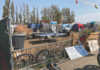
There are homeless encampments throughout the Bay Area. What in the world have we allowed to happen to a segment of our population such that they need to live in squalor?
Homelessness is not a new problem, but it is probably a bigger one now than ever, and like the loss of bird habitat, probably all over the world. It is an extremely complicated issue, the experts would say, with many root causes, but all of them result in a serious form of loss of human habitat—at least for some people.
In addition, it is a social problem from which people run like hell. Whereas we have well-funded organizations that study the natural world very skillfully, we seem to have many fewer that study the world of human habitats as successfully. We have lots of opinions, tons of rhetoric, a large pile of prejudice, but no good data and no answers.
The best answer to restoring bird populations is to restore habitat. So, what would it take to restore habitat for humans?
Craig Corsini is a writer and grandfather in Marin.