When a cultural institution loses a long-serving leader, the question isn’t simply who comes next.
It’s whether the place itself can hold its shape through grief—and still imagine a future.
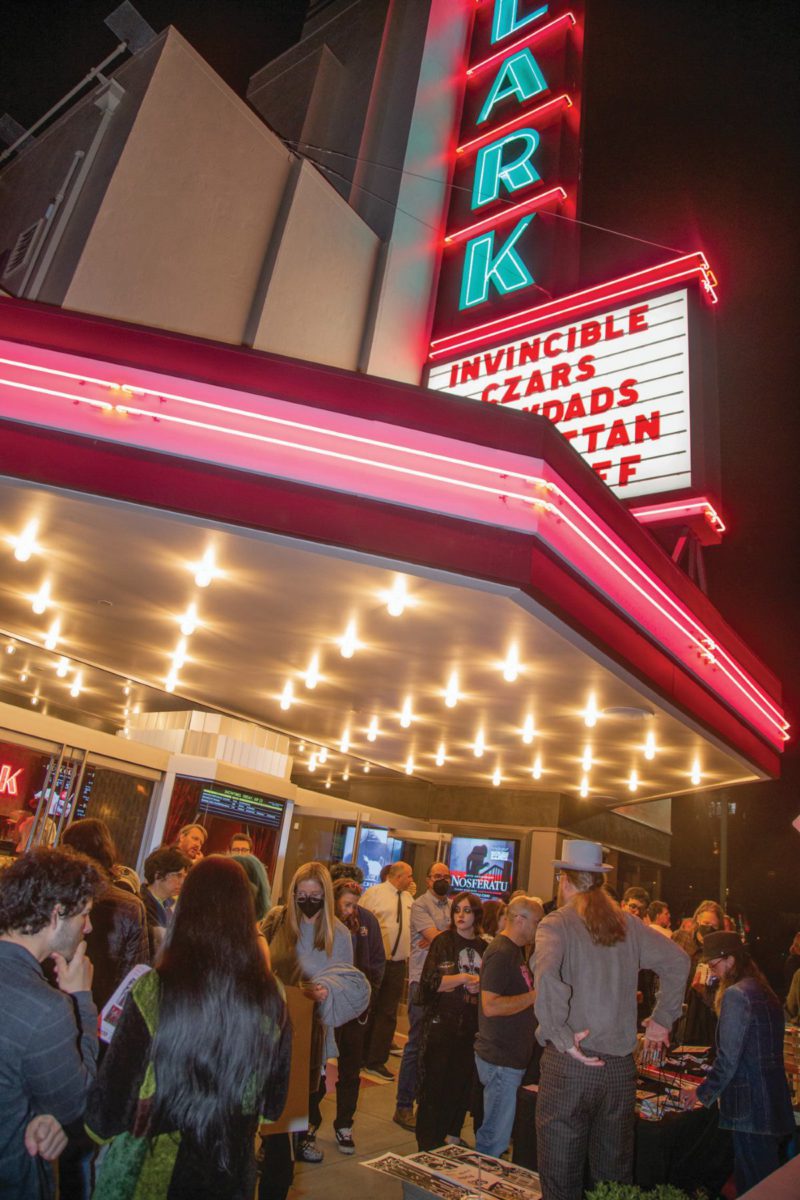
At the Lark Theater in Larkspur, that reckoning arrived with the death of executive director Ellie Mednick in December, closing a chapter defined by resilience, elegance and an unshakable belief that culture is a public good.
Mednick didn’t just run the Lark—she redefined it. Under her watch, the historic Art Deco cinema became something closer to a civic living room—hosting repertory films and new releases alongside live theater, jazz, opera broadcasts, lectures and community programming. She shepherded the venue through Covid with drive-in screenings and brought in series like National Theatre Live and The Met: Live in HD, expanding the Lark’s reach without diluting its soul. Her death left a palpable absence—and a high bar.
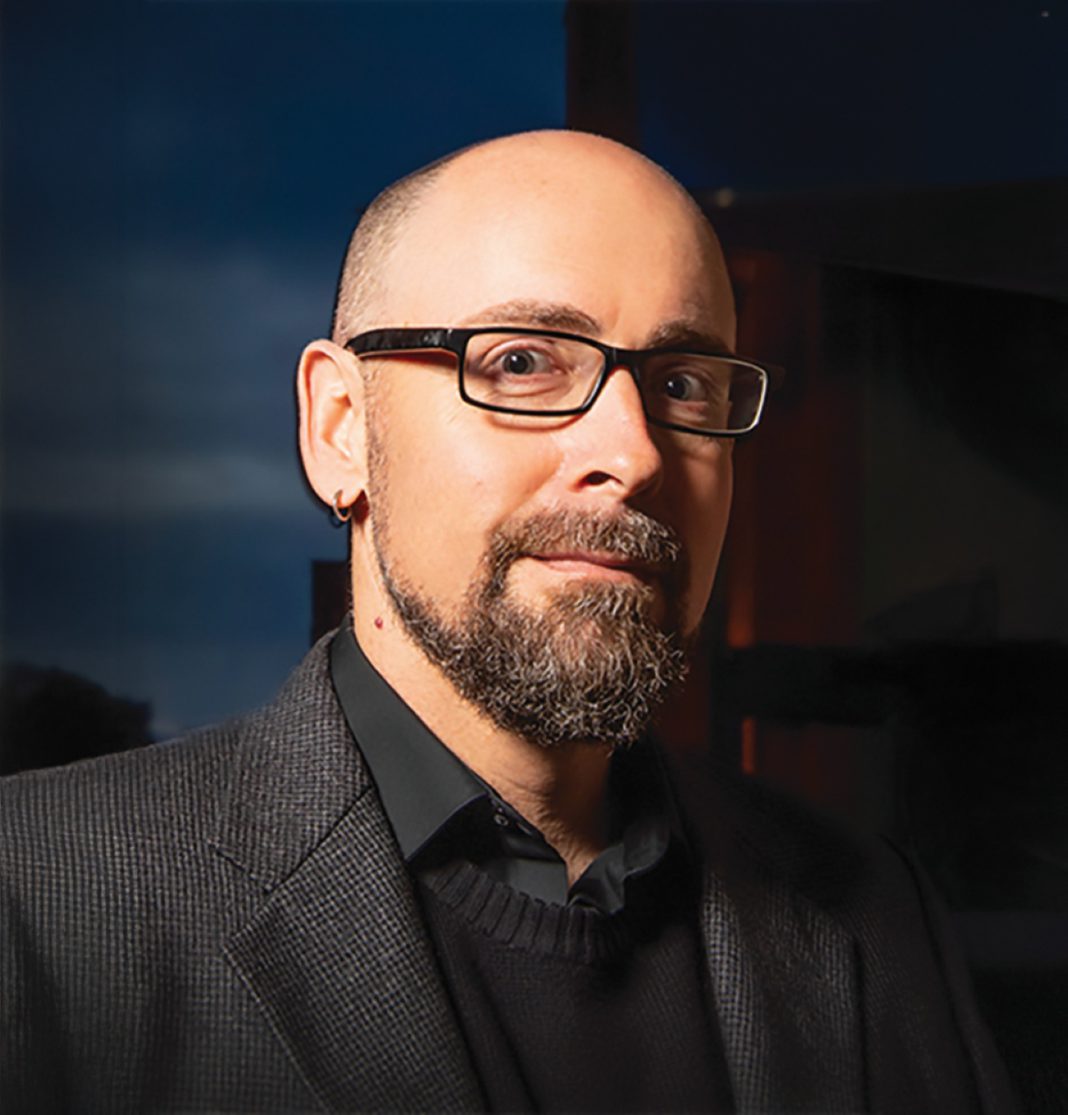
So when the Lark’s board announced that Josh Costello would assume the role of executive artistic director, the choice carried unusual weight. The accomplished Costello wasn’t simply a safe choice; he was Mednick’s own pick.
“That meant a great deal to me,” says Costello, a longtime Bay Area theater director and arts leader. Costello had been at a crossroads after the pandemic shuttered Berkeley’s Aurora Theatre Company, where he served as artistic director. “It never occurred to me that a movie theater might be in my future,” he admits. “When Ellie reached out, I was very flattered that she thought of me for this. And the more I learned about what the Lark is, the more excited I got. It turned out to be just what I needed.”
That phrase—what the Lark is—comes up repeatedly in conversation, because the challenge Costello inherits is one of definition. The Lark is not just a cinema, though it programs five different films a day across classics, cult favorites, children’s films, international cinema and awards contenders. Nor is it merely a live-performance venue, despite its jazz partnerships, storytelling nights, musical revues and special events.
“A cultural commons for Marin,” I offer at one point while speaking with Costello by phone.
“I love that phrase,” he says. “There’s something for everybody, and that’s what makes it exciting.”
What’s striking about Costello’s vision is not a desire to reinvent the Lark, but to reassure longtime patrons that what they love isn’t going anywhere, while also widening the aperture. “I’ve heard some anxiety from people—Is this going to change? Is this still going to be the organization I love?” he says. “And the answer is yes. The programs that are working, we’re not messing with those. We want to grow them. And at the same time, there are opportunities to introduce new things.”
That balance—where continuity meets curiosity—runs through Costello’s career. He was the founding artistic director of Impact Theatre, which deliberately cultivated audiences in their teens and 20s. At Marin Theatre Company, he built expanded programs designed to welcome new communities into the fold. And at Aurora, he revised the mission to emphasize the theater’s role as a storyteller to the community, not a gatekeeper.
He’s also a director with serious chops. Costello has shepherded three world premieres to Glickman Awards for Best New Play, including Jonathan Spector’s Eureka Day, which went on to win a Tony Award. His production of Aaron Loeb’s Ideation transferred to New York, earned critical acclaim and landed on The New York Times Critics’ Pick list. He’s taught at Cal Shakes, ACT, SF Shakes and beyond. In short, he knows how institutions work and what audiences actually embrace.
That pragmatism shows in how he talks about programming at the Lark. “In theater, you do four or five shows a year, and you’re trying to get everybody to love the same five things,” he says. “Here, we have five shows a day. We can target different audiences, and people can discover things they didn’t expect. They come for one thing and stumble into another.”
The notion of discovery looms large in Costello’s vision of the Lark’s programming, where he sees natural affinities and synergies between the myriad films, live performances and broadcast events that line the venue’s calendar. Moreover, Costello hopes to leverage the Lark’s location in the greater Bay Area as an arts destination.
That regional ambition matters. Larkspur, Costello notes, is “20 minutes from San Francisco, half an hour on a bad day,” surrounded by restaurants, trails and easy parking. The Lark, in this view, isn’t just Marin’s living room—it’s a destination within the Bay Area’s sprawling cultural ecosystem. “There’s so much amazing work happening across the Bay Area,” he says. “The Lark is one piece of that puzzle.”
What Costello seems most intent on preserving, however, is the sense of belonging Mednick cultivated so carefully. “The staff here are smart and committed. The board is engaged and generous. People feel like this is their home,” he says. “That’s a great place to be as an organization—when people feel invested, when they feel like they belong.”
Asked whether he sees this role as contributing to the greater legacy of his career, Costello demurs. “I hope they’re talking about the Lark, not about me,” he says. “About the performances, the experiences, the sense of community.”
Good answer.
To learn more about upcoming events at the Lark, visit larktheater.net.